- Jul 26, 2026
Dengue Fear Grows in Khulna as Infections Reach 8,807 and Deaths 29
- Sep 14, 2026
- Exclusive
Special Report: MD Eyasir Aziz
The dengue situation in Khulna Division is becoming increasingly alarming. The number of infected patients is rising, while the death toll continues to grow. According to the latest data from the health department, a total of 8,807 dengue patients have been admitted to hospitals in Khulna Division from January 1 to September 13 this year. During this period, 29 people have died.
According to information from the Khulna Divisional Health Director’s office on Sunday, 275 new dengue patients were admitted to hospitals across the division in the previous 24 hours. Of them, 234 were admitted to government hospitals and 41 to private hospitals. During the same period, one dengue patient died.
Among the newly infected patients, Khulna district recorded the highest number. A total of 132 dengue patients were admitted in Khulna district alone during the previous 24 hours. In addition, 38 new patients were admitted to Khulna Medical College Hospital and 21 in Bagerhat.
Health department statistics show that 7,597 of those infected in the division this year have recovered after receiving treatment and have been discharged from hospitals. At present, 958 dengue patients are receiving treatment at different hospitals. So far, 223 patients have been transferred to other hospitals for advanced treatment.
The situation in Khulna Division is also concerning in terms of deaths. Of the 29 people who have died from dengue this year, 20 died at Khulna Medical College Hospital. Another five died in Khulna district. In addition, two dengue patients died each in Jashore and Bagerhat.
Meanwhile, the pressure of dengue patients has increased at Khulna Medical College Hospital and various hospitals across the city. Hospitals have been experiencing an influx of new patients for several days. Some hospitals are struggling to manage the additional pressure because of a shortage of adequate beds.
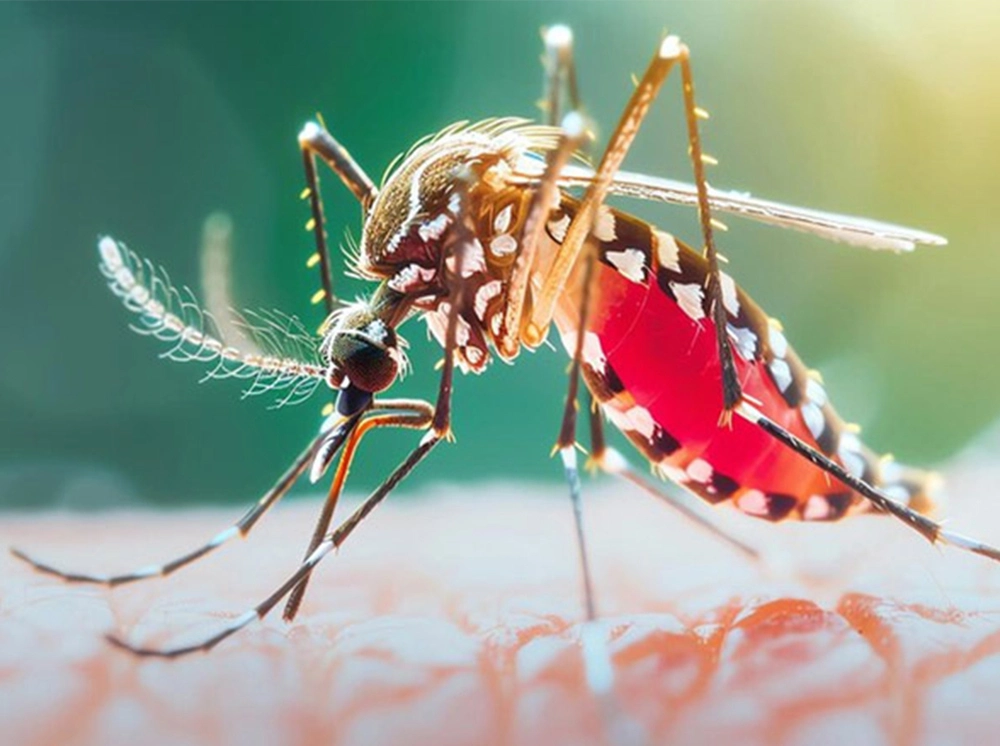
Experts say that destroying Aedes mosquito breeding grounds and keeping homes and surrounding areas clean are essential to controlling the spread of dengue. If stagnant water that accumulates in various places after rainfall, abandoned containers, flowerpots, tyres and other items is not regularly removed, the breeding of Aedes mosquitoes can increase.
City residents are demanding that mosquito-control activities be strengthened and regular cleanliness campaigns be conducted to control the dengue situation. They also emphasise ensuring adequate beds, necessary treatment and diagnostic facilities for dengue patients in hospitals.
According to health department data, the dengue outbreak in Khulna has not yet come under control. Therefore, alongside government initiatives to reduce the number of infections and deaths, citizens must also remain vigilant and destroy potential Aedes mosquito breeding grounds in and around their homes.

প্লিজ লগইন পোস্টে মন্তব্য করুন!
আপনিও পছন্দ করতে পারেন

- May 20, 2026
Crimes Get Publicity, Justice Does Not

- Apr 26, 2026
EU AI Act: A New Standard for Trust, Safety,...

- Sep 24, 2025
Violence Breaks Out During Statehood Agitatio...
- Sep 04, 2025