- Nov 04, 2026
Democrats Win Control of Both Chambers of US Congress
- Nov 04, 2026
- International
International Desk | PNN
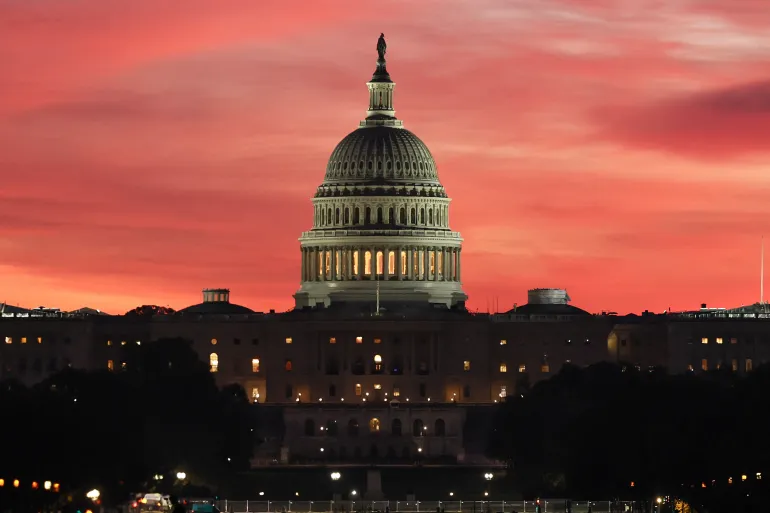
The Democratic Party has secured a major victory in the US midterm elections, winning majorities in both the Senate and the House of Representatives. The result means President Donald Trump's Republican Party has lost control of both chambers of Congress.
According to reports, Democrats have won 53 of the 100 seats in the Senate and are leading in three additional races. In the 435-member House of Representatives, the party has secured enough victories to cross the 218-seat threshold required for a majority. However, results in several constituencies had yet to be finalised.
Democrats won key races in states including Texas, Kansas, Iowa, South Carolina, North Carolina, Maine and Ohio. In Texas, James Talarico became the first Democrat since 1994 to win a statewide election in the state. The party also regained a Senate seat in Kansas after a long gap.
The Democrats' victory in the Senate will strengthen the party's ability to influence legislation, approve government spending and oversee the activities of the administration.
The party holding a Senate majority can block presidential nominations for important government positions and conduct investigations through congressional committees. However, a bill must be approved by both chambers of Congress to become law. If Trump vetoes a bill, lawmakers would need a two-thirds majority in both chambers to override the veto.
During the election campaign, Democrats pledged to end the war with Iran, reduce the cost of living and ensure accountability for the actions of the Trump administration. However, significant obstacles remain to fulfilling these promises.
The new Congress will begin its term on January 3. Before then, the administration's approach to the Iran war and questions surrounding military spending could become important issues.
Analysts believe Democrats may intensify investigations into the Trump administration after taking control of Congress. However, if the administration challenges congressional demands for documents or testimony in court, the process could be prolonged.
Even if investigations uncover evidence of wrongdoing, it remains uncertain whether that would lead to legal action or impeachment proceedings.
To address the rising cost of living, Democrats may attempt to restore health insurance subsidies, reverse cuts to Medicaid and take action on tariff policies. They will also have opportunities to investigate increases in food prices, rents and electricity costs through Senate committees.
However, the practical impact of these initiatives will depend on the level of support in Congress and the president's position.

প্লিজ লগইন পোস্টে মন্তব্য করুন!
আপনিও পছন্দ করতে পারেন


- Nov 04, 2026
Republicans Suffer Major Defeat as Democrats...

- Nov 04, 2026
Abdul El-Sayed Set to Become First Muslim US...

- Oct 31, 2026
US, Japan and South Korea Renew Call for Nort...

- Oct 31, 2026