- Jun 04, 2026
Parliamentary Committee Recommends 20 Ordinances Not Approved Now, 4 to be Scrapped
- Apr 03, 2026
- Politics
PNN News Desk, Dhaka
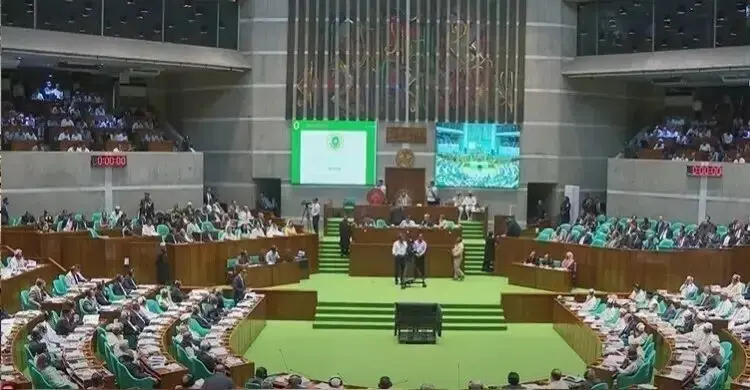
A special parliamentary committee has submitted new recommendations regarding several important ordinances issued during the interim government. Of these, it has been decided that 20 ordinances should not be approved in the current session. Additionally, the committee recommended scrapping four ordinances.
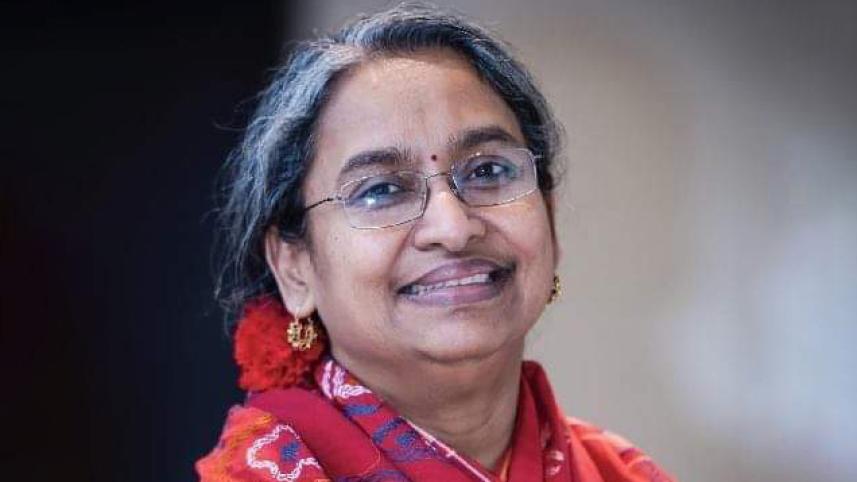
On Thursday, the committee chairman Zainul Abedin presented the report in Parliament. The report states that out of a total of 133 ordinances issued during the interim government, 98 are recommended to be submitted to Parliament as bills in their original form. Fifteen ordinances are suggested to be amended and presented later as bills.
Meanwhile, a different position has been taken on 20 ordinances. Among these, 16 ordinances are recommended not to be presented as bills immediately but to be further reviewed and strengthened before introduction. The remaining four ordinances are recommended for complete cancellation.
The four ordinances recommended for cancellation include the ordinance regarding the appointment of Supreme Court judges, the ordinance on the establishment and amendment of the Supreme Court Secretariat, and the special interim provisions of the National Parliament Secretariat.
The committee noted that these issues require further review or may conflict with existing arrangements. Opposition party members, specifically from Jamaat-e-Islami, expressed differing opinions regarding these recommendations.
Furthermore, ordinances related to the National Human Rights Commission, Anti-Corruption Commission, referendum, and prevention of enforced disappearance are recommended to be brought back for new consideration instead of being approved now. According to the Constitution, any ordinance not approved within 30 days of submission loses its validity. Therefore, the 20 ordinances in question will expire if the prescribed period passes.
Meanwhile, 98 ordinances related to the July popular uprising are recommended to be passed as bills without changes. The special committee’s report has now been submitted for Parliament’s subsequent decision, and final decisions will be made through parliamentary discussion.

প্লিজ লগইন পোস্টে মন্তব্য করুন!
আপনিও পছন্দ করতে পারেন
- Jun 04, 2026
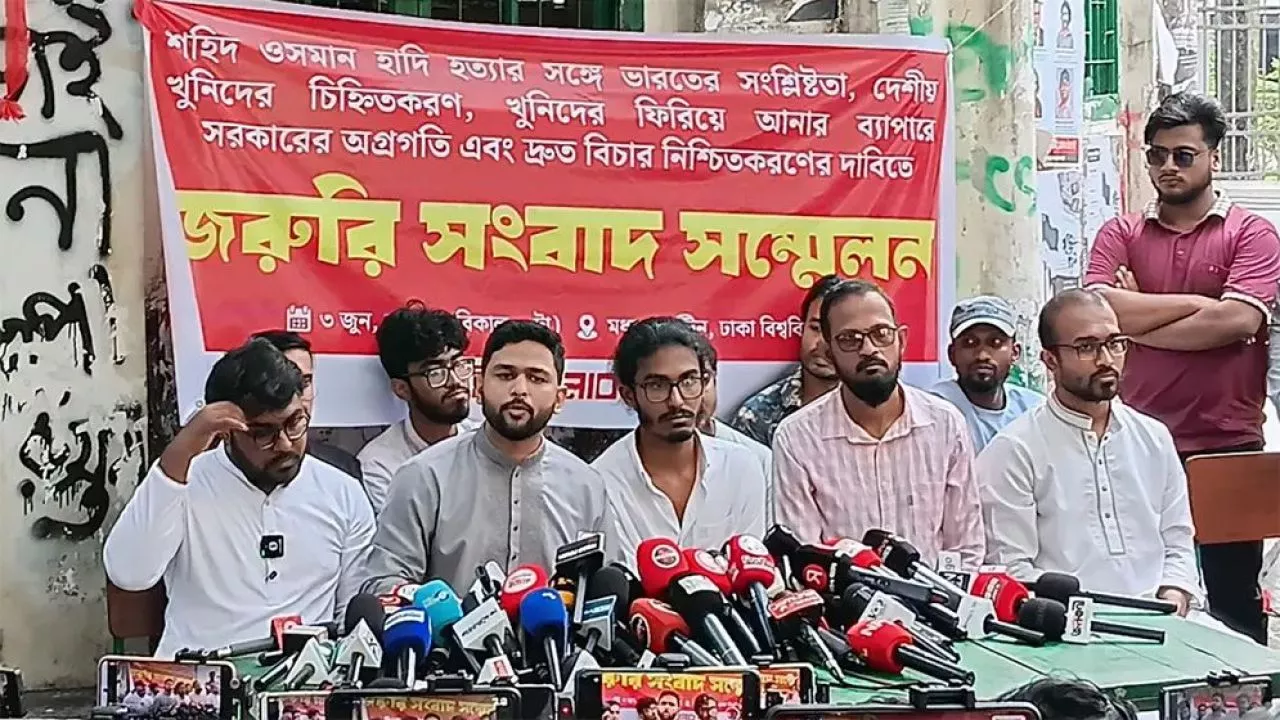
Inqilab Mancha Announces New Program Demandin...
- Jun 04, 2026
Jamaat Announces Protest Against Electricity...
- Jun 04, 2026
Allegation of Attack on NCP Leader Nasiruddin...
- May 26, 2026