- Jun 04, 2026
Pakistan Faces Energy Shortage Amid War Shock, Sudden Deficit After Excess Stockpiles
- Apr 03, 2026
- International
International Desk. PNN
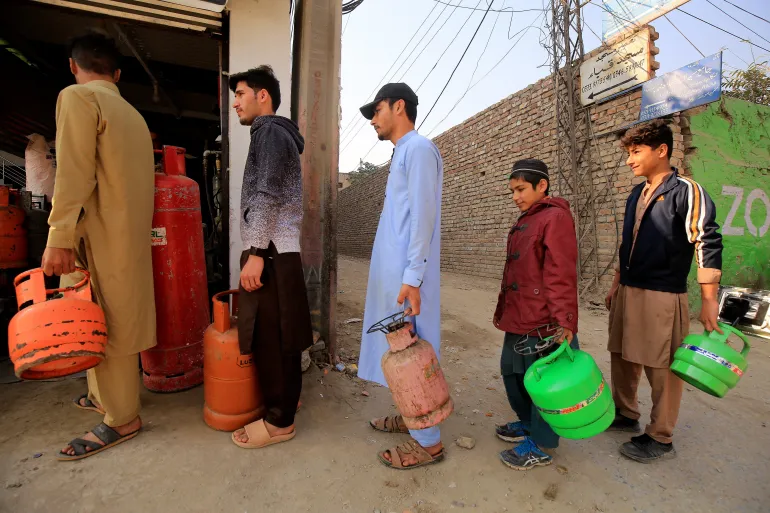
Due to the ongoing conflict in the Middle East, Pakistan has suddenly fallen into a severe energy crisis. A few months ago, the country had a surplus of imported liquefied natural gas (LNG), but now there is a significant shortfall in supply. Experts say this dramatic shift has occurred due to the war situation and disruptions in supply lines.
At the beginning of this year, Pakistan’s demand for gas had been declining for several consecutive years. Increased use of solar power and reduced industrial production led to lower LNG consumption. As a result, the government had to make decisions such as selling excess gas abroad and even shutting down some gas fields.
However, the situation changed at the end of February following attacks by the United States and Israel. When Iran retaliated, maritime traffic in the strategically important Strait of Hormuz nearly came to a halt. At the same time, attacks on Qatar’s major gas facilities caused a significant shock to global supply.
When Qatar, one of the world’s largest LNG exporters, announced production halts, Pakistan directly fell into crisis. Almost all of the country’s imported gas comes from Qatar and the United Arab Emirates. In March, where normally 8 to 12 LNG shipments would arrive, only two shipments were delivered after the start of the conflict.
Meanwhile, global gas prices have also risen. In a short period, LNG prices increased by nearly 20 percent. This has further increased import costs, placing additional pressure on Pakistan’s economy.
Long-standing planning limitations in the energy sector have now become a major challenge. Experts note that because of long-term contracts, Pakistan had to purchase gas even when demand was low, leading to enormous financial losses. Currently, the sector’s debt has reached several trillion Pakistani rupees.
To address the crisis, the government has now initiated measures to increase domestic gas production. Additionally, there are plans to rely more on coal and hydroelectric power. However, experts warn that these measures may not be sufficient to meet the full deficit.
Experts caution that during the upcoming summer season, electricity demand will rise, potentially worsening the situation. Risks include possible load-shedding, increases in electricity prices, and disruptions in industrial production.
In summary, Pakistan has faced a harsh reality: a transition from excess energy stockpiles to sudden shortages in a short period, primarily due to global conflict and the limitations of energy dependency.

প্লিজ লগইন পোস্টে মন্তব্য করুন!
আপনিও পছন্দ করতে পারেন


- Jun 04, 2026
St. Petersburg Economic Forum Begins with Par...
- Jun 04, 2026
Indonesian Rupiah Falls to Its Weakest Level...
- Jun 04, 2026
Israel Expands Military Positions Further Ins...

- May 26, 2026