- Jun 08, 2026
Middle East Tensions Raise Fertilizer Shortage Concerns, South Asian Farmers Worried
- Apr 02, 2026
- International
International Desk: PNN
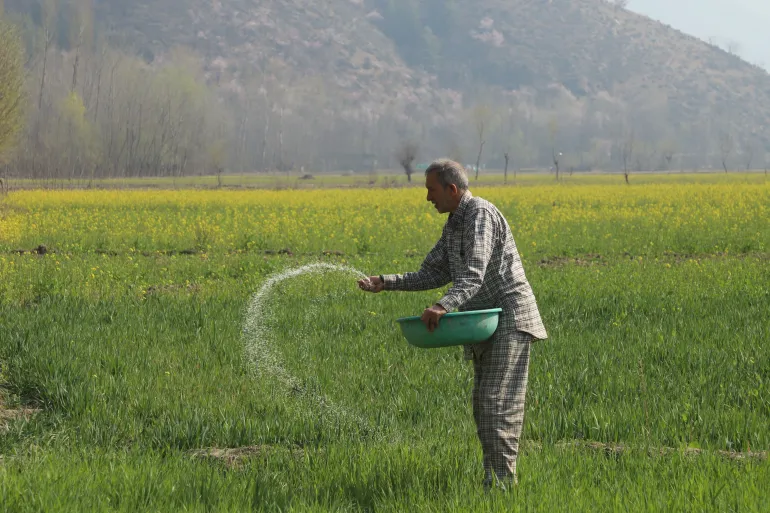
The recent international conflict is beginning to directly impact the agricultural sector in South Asia. Disruptions in the Strait of Hormuz due to recent US–Israel and Iran tensions have put pressure on fertilizer supply and prices. This has increased anxiety among farmers in India, Pakistan, Bangladesh, and Nepal.
Ramesh Kumar, a farmer in Gurdaspur district, Punjab, India, is worried about his crop calculations this season. Rising costs of fertilizers, seeds, and other inputs have made profit projections uncertain. He fears that if yields are low, managing household expenses—including children’s education or his daughter’s marriage—could be difficult.
Experts note that the Strait of Hormuz is a major route for the world’s oil and liquefied natural gas, which are crucial for fertilizer production. Any disruption along this route affects production and supply, with immediate consequences for agricultural output.
In South Asian countries, agriculture remains the primary source of livelihood for a large population. In Bangladesh, the sector is a significant part of the economy, heavily dependent on imported fertilizers. Fluctuations in international prices or supply shortages quickly impact local markets.
Farmers across Bangladesh report similar concerns, facing irregular availability and high prices for fertilizers, leading to increased production costs that could eventually affect food prices. Pakistan and Nepal are experiencing similar challenges. Farmers fear reduced crop yields if fertilizers are not timely available, with some already deciding to cut usage, potentially impacting production.
Governments are discussing measures such as alternative import sources, increasing domestic production, and boosting subsidies for farmers. Analysts warn that unless international tensions ease quickly, the situation may worsen. A prolonged fertilizer shortage could reduce food production and increase inflation.
Overall, distant geopolitical conflicts are translating into real-life crises for South Asian farmers, directly affecting their daily lives and future planning.

প্লিজ লগইন পোস্টে মন্তব্য করুন!
আপনিও পছন্দ করতে পারেন

- Jun 08, 2026
Strong Earthquake in Philippines Triggers Tsu...
- Jun 08, 2026
War Damage Across Middle East Visible in Sate...
- Jun 08, 2026
New Diplomatic Tensions Surround Lebanon Amid...

- Jun 04, 2026