- Jun 04, 2026
Israel’s Attacks in Lebanon Devastate Healthcare Sector
- Apr 03, 2026
- International
International Desk. PNN
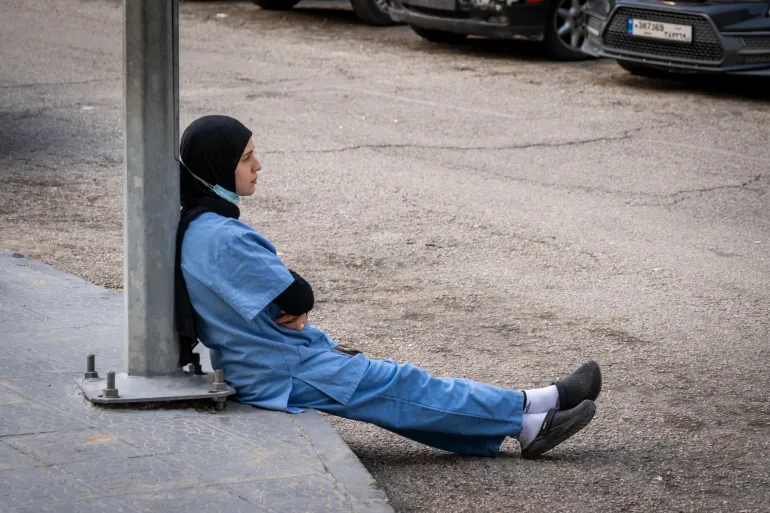
In southern Lebanon, Israeli air and missile strikes are severely disrupting the country’s healthcare system. Experts believe these attacks aim to forcibly displace populations in southern Lebanon.
According to the Lebanese Ministry of Health, Israel has killed 53 medical personnel, destroyed 87 ambulances or medical facilities, and forced the closure of five hospitals within one month.
Doctors Without Borders (MSF) Lebanon Medical Coordinator Luna Hammad Al-Jazeera said, “Israeli attacks and uncontrolled panic are isolating people from healthcare services and limiting the functionality of medical operations. We have observed a pattern of such attacks on the medical sector.”
On March 2, Israel increased attacks on Lebanon, which intensified again following Hezbollah’s response. Hezbollah claims the attacks were retaliation for an assassination attempt on Iran’s Supreme Leader Ayatollah Ali Khamenei. Even though a formal ceasefire between Israel and Hezbollah has been in effect since November 27, 2024, agencies have documented nearly 10,000 Israeli violations.
Israel is conducting widespread attacks in southern Lebanon and southern Beirut, forcing over a million people to leave their homes. Consequently, 1.2 million people have been displaced.
The attacks have also damaged healthcare infrastructure. WHO Lebanon representative Dr. Abdenasir Abubakar said, “Several healthcare centers have been directly targeted, and the displacement of doctors and medical staff is further weakening the health sector.”
Jabal Amel University Hospital in Tyre, southern Lebanon, has been attacked for the fifth time in a month. Additionally, five other hospitals have been forced to evacuate.
Dr. Hasan Wajni, director of Nabih Berri Governmental Hospital in Nabatieh, stated, “Patients requiring treatments such as chemotherapy, radiotherapy, and dialysis have been relocated northward.”
On March 28, WHO Director-General Tedros Adhanom Ghebreyesus reported that nine paramedics were killed and seven injured in a single day. Ramzi Kais, a researcher at Human Rights Watch in Lebanon, said, “The pattern of attacks on medical staff and hospitals continues unabated. Over 270 healthcare workers have already been victims of Israeli attacks.”
Experts warn that without effective justice or international pressure, the attacks are unlikely to stop. Therefore, the international community has been urged to protect and support Lebanon’s healthcare system.
Dr. Abubakar emphasized, “Healthcare services should be protected under international law. Immediate ceasefire and de-escalation are essential.”
Meanwhile, Wajni, the hospital director in Nabatieh, said, “We hope that respect for international law and agreements will be ensured and the safety of healthcare personnel will be protected.”

প্লিজ লগইন পোস্টে মন্তব্য করুন!
আপনিও পছন্দ করতে পারেন


- Jun 04, 2026
St. Petersburg Economic Forum Begins with Par...
- Jun 04, 2026
Indonesian Rupiah Falls to Its Weakest Level...
- Jun 04, 2026
Israel Expands Military Positions Further Ins...
- May 26, 2026