- Nov 04, 2026
‘The Match Against England Was Different’: Lautaro Martinez
- Oct 17, 2026
- Sports

Staff Report | PNN
For Argentina, the victory over England in the semi-final of the 2026 FIFA World Cup was more than just a football match. The long-running dispute over the Falkland Islands and memories of the 1982 war gave the encounter additional emotional weight and significance. Argentina striker Lautaro Martinez has now spoken about those feelings, saying that although the match was publicly presented as an ordinary football contest, the emotions within the team were different.
Argentina defeated England 2–1 in the semi-final held in Atlanta, United States, on July 15. Lautaro scored the decisive goal in the 92nd minute, securing Argentina’s place in the final. He dedicated the crucial goal to Argentine soldiers who took part in the 1982 Falklands War.
In an interview with the Argentine Football Association’s (AFA) studio, the Inter Milan forward discussed the emotions behind his goal. During the interview, he was shown a video of his goal celebration. In the footage, a veteran who had participated in the Falklands War could be seen crying emotionally while watching Lautaro’s goal. The Argentine star was also unable to hold back his emotions after watching the scene.
Lautaro said the contributions of the soldiers who fought in the Falklands War had made it possible for the current generation to represent their country. He dedicated the goal to honour their struggle and sacrifice. According to him, the soldiers’ determination to fight for their country had taught subsequent generations how to face their own battles.
He added that the awards, recognition and praise currently received by members of the national team were also made possible, in part, by the contributions of earlier generations. He said they had learned from those who came before them how to continue fighting even in the face of adversity.
Before the match against England, Argentina coach Lionel Scaloni had been reluctant to discuss the issue extensively in public. His position was that the encounter should be treated as a football competition rather than being linked to political disputes or memories of war. However, Lautaro’s comments made it clear that the match carried a deeper significance for the players.
Lautaro explained that they had presented the match as a football contest in front of the cameras. Internally, however, the historical context meant it was unlike other matches. He said the Falklands issue had provided the team with additional emotion and motivation.
In Argentina, the Falkland Islands are known as the Islas Malvinas. In 1982, Argentina and the United Kingdom fought a 74-day war over control of the islands. The conflict claimed the lives of 655 Argentine and 255 British military personnel. Three island residents also died. British forces regained control of the islands in June of the same year. However, the dispute over sovereignty remains unresolved.
The issue resurfaced following Argentina’s victory over England. Argentine players Lisandro Martinez and Giovani Lo Celso displayed a banner in front of the stands during the celebrations. It read, “Las Malvinas son Argentinas”, meaning “The Falklands are Argentine”. Although it was unclear where the banner had come from, the incident prompted FIFA to launch an investigation. Under the organisation’s regulations, displaying political messages inside a stadium may be subject to disciplinary sanctions.
Lautaro said he had not fully understood the emotional significance of his goal immediately after scoring it. The pressure of the World Cup, the intensity of the match and the upcoming final had kept him focused on the tournament. He only began to appreciate the goal’s broader meaning after returning home and hearing the reactions of supporters.
He said the goal would remain a lifelong memory. When Argentine fans thanked him for scoring and explained the significance of the moment after his return to the country, he realised how deeply the goal had affected people.
Despite defeating England and reaching the final, Argentina failed to fulfil its ambition of retaining the World Cup title. Lionel Messi’s team finished as runners-up after losing 1–0 to Spain in the final.
Responding to criticism of the final performance, Lautaro said the players had given their utmost to win the title. He noted that Argentina still had opportunities until the closing stages of the match. Although he acknowledged Spain’s strength as an opponent, he maintained that Argentina had given everything it could.
He also said the semi-final against England had left the players physically and mentally exhausted. Some members of the squad struggled even to move normally during the final. Nevertheless, he said, they continued fighting until the end.
To commemorate the victory over England, the Argentine Football Association declared July 15 National Football Day. The match also revived memories of Argentina’s historic victory over England in the quarter-finals of the 1986 World Cup. On that occasion, Diego Maradona’s controversial “Hand of God” goal and his famous solo effort secured a special place in football history.
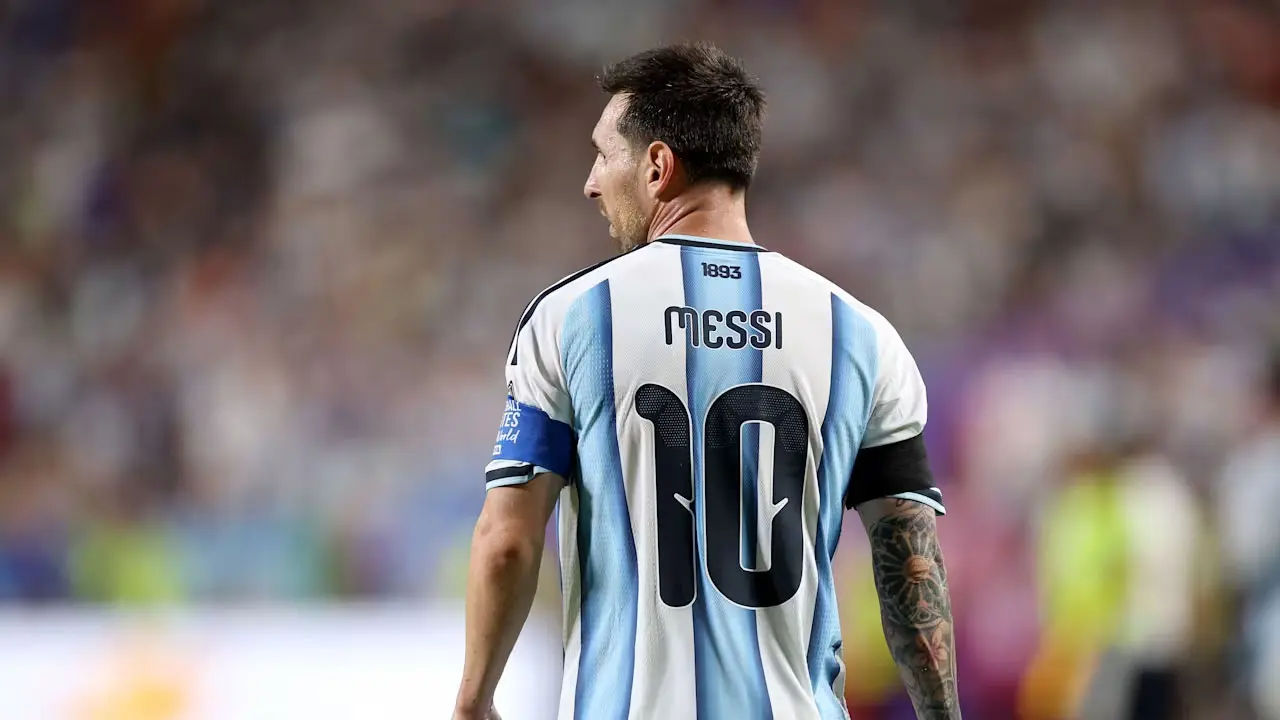
Reflecting on the overall World Cup experience, Lautaro said the team had faced difficult situations in every match. However, a strong connection developed between the players and their supporters throughout the tournament. In his view, Argentina’s strength lies in refusing to give up in the face of adversity and continuing to strive for improvement. He added that team captain Lionel Messi had taught them to maintain that mentality.
For Lautaro, therefore, the winning goal against England was not merely an important moment in the World Cup. It was also connected to Argentina’s history, memories of war and a tribute to the sacrifices made by earlier generations.

প্লিজ লগইন পোস্টে মন্তব্য করুন!
আপনিও পছন্দ করতে পারেন

- Nov 04, 2026
Evidence of Sexual Harassment of Female Crick...
- Oct 31, 2026
Rain Halts West Indies' Run Chase; Visitors N...

- Oct 31, 2026
Portuguese Coach Miguel de Oliveira Nunes to...
- Oct 25, 2026