- Nov 04, 2026
Qatar Challenges AFC as Infantino Dispute Exposes Divisions in Asian Football
- Aug 15, 2026
- Sports
Staff Report | PNN
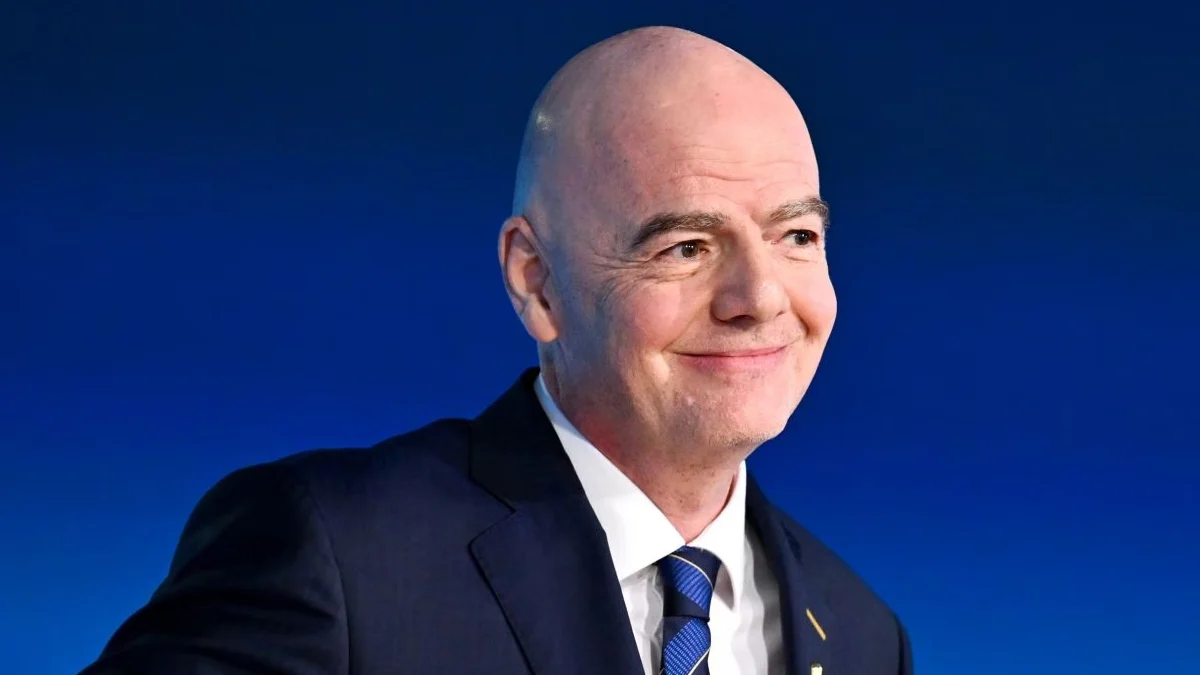
The ongoing controversy surrounding FIFA President Gianni Infantino has now exposed divisions within Asian football as well. The Asian Football Confederation (AFC), along with European football’s UEFA and North America’s CONCACAF, has jointly criticized Infantino’s leadership and actions. However, the Qatar Football Association (QFA) has openly challenged that decision.
Qatar Football Association President Hamad bin Khalifa Al Thani wrote to AFC President Sheikh Salman bin Ibrahim Al Khalifa, saying Qatar was not consulted before the joint statement against Infantino was issued.
In the letter obtained by Reuters, Al Thani questioned how the AFC could decide to issue a collective statement on behalf of its 47 member associations. He also requested a detailed explanation from the AFC on the matter.
Al Thani said in the letter that a collective position cannot simply be assumed on any issue and that the views of member associations should be sought first. According to him, neither the QFA nor he personally was consulted, formally or informally, before the statement was published. He also said they were not even shown a draft of the statement.
The AFC declined to respond to Reuters’ questions on the matter.
Infantino, who is preparing to seek re-election next year, has recently faced intense criticism both inside and outside FIFA. Controversy arose over his efforts to bring private investment into the commercial rights of FIFA competitions, including the World Cup. Following widespread criticism, FIFA eventually abandoned the plan.
UEFA, AFC and CONCACAF subsequently issued a joint statement criticizing Infantino’s actions and calling for his resignation. However, Qatar’s recent position has made it clear that not all Asian countries share the same view.
Just one day earlier, the football federations of six Arab countries, including Qatar, Morocco, Egypt and Mauritania, publicly expressed their support for Infantino.
In their joint statement, they praised Infantino’s efforts to expand football globally, increase opportunities in different regions and strengthen football’s role among people and communities.
The most significant aspect of the development is that the heads of four of the six Arab federations supporting Infantino are members of the FIFA Council. They are Qatar’s Hamad bin Khalifa Al Thani, Egypt’s Hany Abo Rida, Morocco’s Fouzi Lekjaa and Mauritania’s Ahmed Yahya.
As a result, the controversy surrounding the FIFA president is no longer limited to questions about Infantino’s leadership. Internal differences among FIFA’s continental confederations have also come to the forefront.
In particular, Qatar’s challenge has raised the question of whether a position taken by the AFC on behalf of its 47 member associations actually reflects the views of all of them.
Under Infantino’s leadership, FIFA had planned to sell part of the commercial rights to the World Cup to private investors. According to the proposal, FIFA aimed to raise around $4.2 billion by selling approximately 20 percent of the World Cup’s commercial rights.
However, the plan triggered widespread criticism after it became public. FIFA eventually withdrew the proposal.
The controversy surrounding the plan led to renewed questions about Infantino’s leadership. Qatar’s public objection has now brought the internal divisions within Asian football into the spotlight as well. With the FIFA presidential election scheduled for next year, these disagreements could have a significant impact on international football politics.

Please Login to comment in the post!
you may also like

- Nov 04, 2026
Evidence of Sexual Harassment of Female Crick...

- Oct 31, 2026
Rain Halts West Indies' Run Chase; Visitors N...

- Oct 31, 2026
Portuguese Coach Miguel de Oliveira Nunes to...
- Oct 25, 2026