- Nov 04, 2026
Colombia’s Buenaventura Devastated by Earthquake, Victims Await Relief
- Aug 15, 2026
- International
International Desk | PNN
Many homes in Colombia’s Pacific coastal city of Buenaventura have been buried under rubble following a powerful earthquake. The magnitude 7.4 earthquake on Monday completely destroyed at least 540 homes in the city and damaged another 3,416 structures. Local residents say the crisis has deepened because they have not received adequate government assistance following the disaster.
An estimated 287 people have died across the country in the earthquake. Around 19 of those deaths occurred in Buenaventura. Another approximately 330 people were injured.
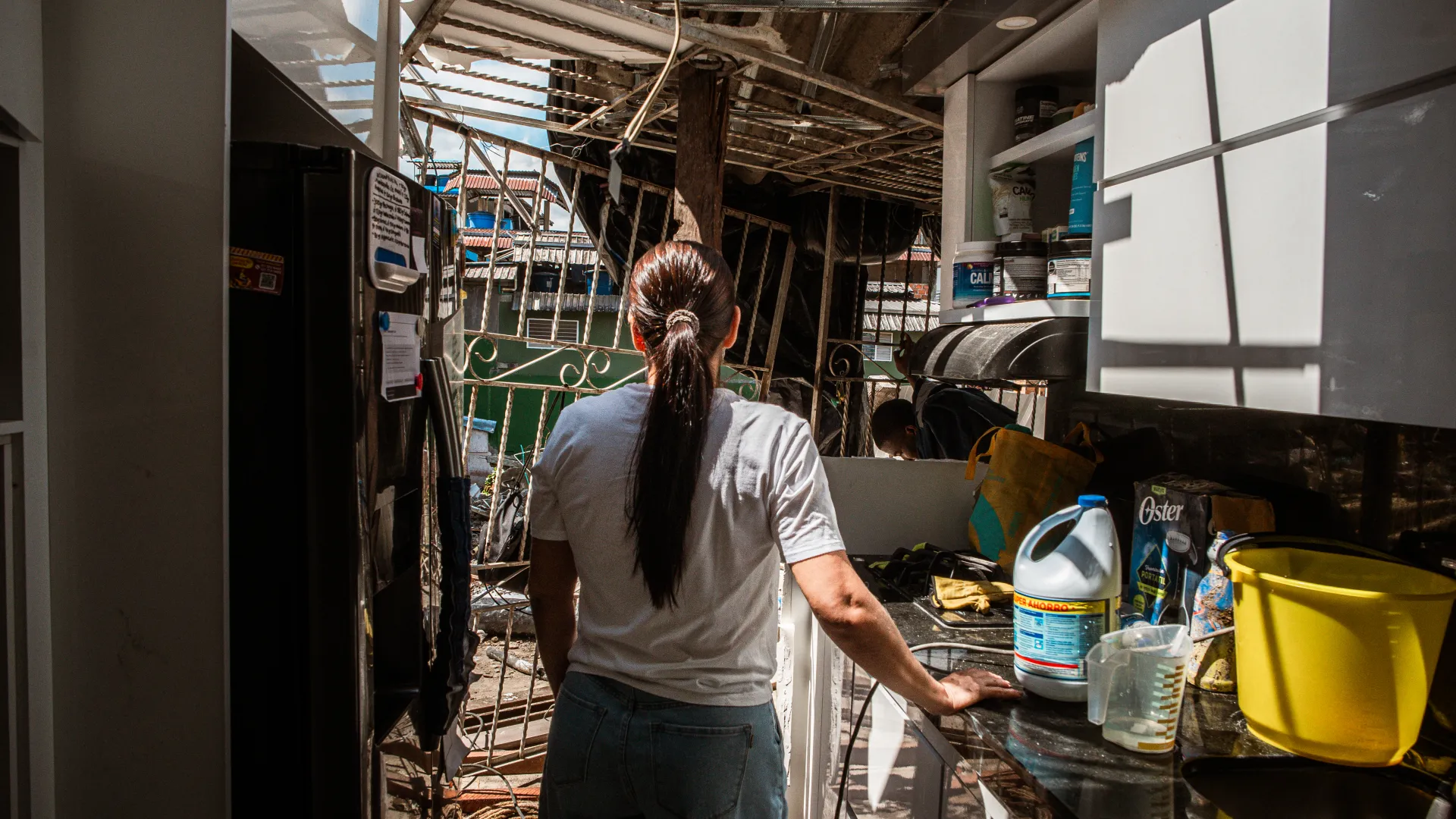
Part of the home of Buenaventura resident Lorena Hippis was destroyed after a neighboring five-story building collapsed. Her mother’s house also collapsed. Four people died beneath the rubble of that building.
Hippis says the biggest fear for her family following the earthquake is now the remaining roof and walls. They could collapse at any moment under the weight of debris from the neighboring building. She requested government assistance to quickly remove the rubble but says she has yet to receive the response she had hoped for.
According to her, people’s suffering is increasing because government assistance has been slow to arrive during the emergency.
The Luis Ablanque de la Plata district hospital in Buenaventura is also struggling to cope with the impact of the earthquake. Several hospital wards are currently unusable. As a result, many injured people are being treated in temporary tents outside the hospital.
Twenty-nine-year-old Brian Reyes fractured three bones in his leg after jumping from a first-floor window while trying to escape during the earthquake. He alleges that the hospital had already been suffering from shortages of essential equipment and staff before the earthquake.
According to Reyes, the hospital had also previously faced difficulties paying workers’ salaries. Shortages of medical equipment and a lack of specialist doctors have also been longstanding problems, he says.
Although Buenaventura is one of Colombia’s largest port cities, it has long suffered from poverty and infrastructure problems. According to government data, 15.4 percent of the city’s population lived in multidimensional poverty in 2024. The corresponding rate in neighboring Cali was 6.7 percent.
Data from the local monitoring organization Buenaventura Como Vamos for 2025 shows that around 72 percent of the city’s population faced employment-related problems. Nearly 70 percent of residents were unable to eat three meals a day regularly because they did not have enough food.
As a result, rehabilitation has now become a major challenge for people who lost their homes and livelihoods in the earthquake.
Betsy Tenorio, a resident of Buenaventura’s poor Barrio Oriente neighborhood, lost her grandfather Arnulfo in the earthquake. Because he was paralyzed, he could not leave the house when the earthquake struck. He died after being trapped beneath the collapsed building.
Tenorio says the mayor visited the area on the day of the earthquake, but they received no further government assistance afterward.
Her complaint was, “We received help for only one hour.” Since then, affected families have largely relied on assistance organized by local residents themselves.
According to Alfonso Grueso, president of the local Community Action Board, around 750 residents in Barrio Oriente alone had their homes damaged. He claims government assistance there remains inadequate.
Alongside the destruction caused by the earthquake, security concerns have also emerged in the city. Local residents allege that looting has occurred in some areas because there were not enough police and military personnel available.
George Montes, a parking attendant working near a collapsed building, says looting began after security personnel were moved elsewhere.
Local residents have also said that volunteers need police protection to deliver relief supplies to some areas of Buenaventura.
Despite anger over the shortage of government assistance, the earthquake-hit city has also witnessed strong community solidarity. Hundreds of residents have voluntarily joined relief efforts.
Social worker Iveth Dalisa Caceres is delivering around 400 meals every day to affected areas through a community kitchen.
According to her, the people of Buenaventura have long struggled with poverty, violence and infrastructure problems. The earthquake has now intensified those difficulties.
Even during this difficult period, however, she believes the unity of local residents is their greatest strength. In Caceres’s words, they repeatedly fall down, but each time they try to stand up again.

Please Login to comment in the post!
you may also like


- Nov 04, 2026
Republicans Suffer Major Defeat as Democrats...
- Nov 04, 2026
Democrats Win Control of Both Chambers of US...
- Nov 04, 2026
Abdul El-Sayed Set to Become First Muslim US...
- Oct 31, 2026