- Jun 17, 2026
Medicine Crisis Hits Over a Million Patients as NCD Corner Services Halted in 430 Upazilas
- Jun 17, 2025
- Bangladesh
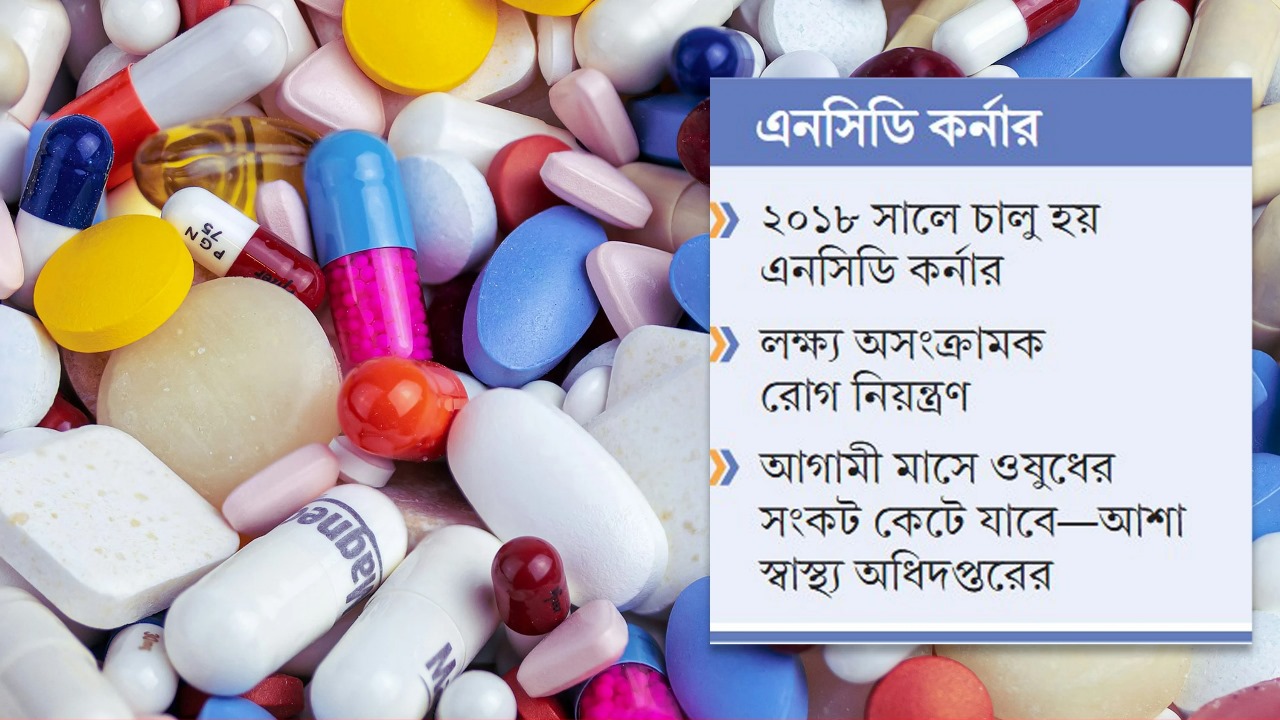
More than a million patients suffering from diabetes and hypertension are facing a healthcare crisis across Bangladesh, as medicine supply to Non-Communicable Disease (NCD) corners in 430 upazila health complexes and 10 district hospitals has been suspended. These corners, which provide essential medicines and consultations to around 25,000 patients daily, have ceased operations since May due to the expiry of a five-year strategic plan (Operational Plan - OP).
On May 26, the Directorate General of Health Services (DGHS) formally notified all upazila health and family planning officers that the supply of medicines to NCD corners would remain suspended until further instruction. This has left thousands of low-income patients without access to free treatment and life-saving medication.
For instance, at the NCD corner of Saghata Upazila Health Complex in remote Gaibandha, 25–30 patients seek treatment every day. But due to the shortage of medicine, local health officer Dr. Sazia Afrin expressed deep concern. In Barisal’s Babuganj, upazila health officer Dr. Subash Sarkar reported that around 50–60 patients come daily, but many now have to be turned away empty-handed.
Government data shows that over 1 million patients are registered at these NCD corners, with around 10,000 new patients joining each month. Common medicines provided include Metformin and Gliclazide for diabetes; Amlodipine, Losartan Potassium, and Hydrochlorothiazide for hypertension; and Aspirin and Rosuvastatin for heart disease.
The NCD corner program, launched in 2018, was previously funded under a government OP. However, with the plan expiring in the 2023–24 fiscal year and no new one approved, the interim government canceled the previous OP, leading to a suspension of the medicine procurement budget and a subsequent supply crisis.
Professor Dr. Syed Zakir Hossain, Line Director of the NCD Control (NCDC) Program at DGHS, stated that instead of central procurement, upazila administrations will now be responsible for purchasing medicines. He expressed hope that the crisis will be resolved starting July, once the new fiscal budget is approved.
According to the government’s health bulletin, 70% of deaths in Bangladesh are due to non-communicable diseases. Of these, 34% are heart-related deaths, mainly caused by hypertension and diabetes. Doctors warn that without regular medication, patients face increased risks of heart disease, kidney complications, and even cancer.
The current disruption in medicine supply not only threatens individual health outcomes but also risks reversing progress made in combating chronic diseases in Bangladesh’s rural healthcare system.

প্লিজ লগইন পোস্টে মন্তব্য করুন!
আপনিও পছন্দ করতে পারেন
- Jun 17, 2026
Student’s Body Recovered from Residential Hal...
- Jun 17, 2026
Death Penalty for Main Accused Abir in Chatto...
- Jun 15, 2026
Rit Filed in High Court Challenging Cancellat...
- Jun 15, 2026