- Jun 20, 2026
Discussion on Implementation of July Accord Begins with Experts at National Unity Commission
- Aug 11, 2025
- Politics
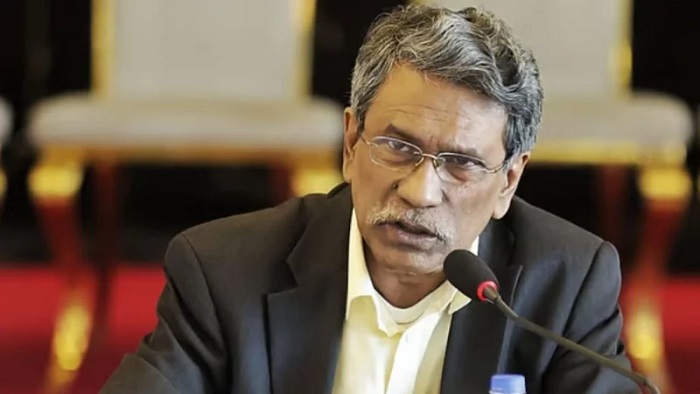
The National Unity Commission has formally begun discussions with experts to determine the legal obligations and implementation process of the July Accord. On Sunday, the first session took place in the LD Hall of the National Parliament Building with six legal and constitutional experts.
The discussions explored multiple possible approaches—holding a referendum, seeking the Supreme Court's opinion (reference), taking special measures in exceptional circumstances, or enforcing the accord through a presidential ordinance. However, the limitations of using ordinances for constitutional amendment recommendations were also highlighted.
The Commission’s Vice-Chairman, Professor Ali Riaz, stated that after collecting expert opinions, consultations will be held with political parties, and all recommendations will be finalized and submitted to the government and political parties. He emphasized, "Our goal is to ensure the implementation of the accord does not remain just on paper."
In previous two rounds of talks with political parties, consensus was reached on 82 reform proposals forming the July Accord. However, the main focus now is on when and how this accord will be implemented. While the BNP accepted the proposed timeline, Jamaat and some other parties emphasized the necessity of a legal framework.
Experts participating in the discussions believe that if the reform process proceeds within the existing constitution, alternative options will diminish. However, a referendum and the Supreme Court’s opinion could help give constitutional recognition to the public’s will.
Notably, the caretaker government formed last October created six reform commissions, of which 165 recommendations from five commissions have already been marked as 'urgent and implementable.' Through the July Accord, legal and procedural discussions are ongoing to implement the remaining significant reform proposals.

প্লিজ লগইন পোস্টে মন্তব্য করুন!
আপনিও পছন্দ করতে পারেন

- Jun 20, 2026
Nationwide security tightened over possible t...
- Jun 20, 2026
Maulana Mamunul Haque announces nationwide ca...
- Jun 18, 2026
Jamaat MP Demands Household Facilities in Par...
- Jun 18, 2026