- Jul 06, 2026
Consensus on Constitutional Reform: Prime Minister’s Powers Reduced, President’s Role Expanded
- Aug 18, 2025
- Politics
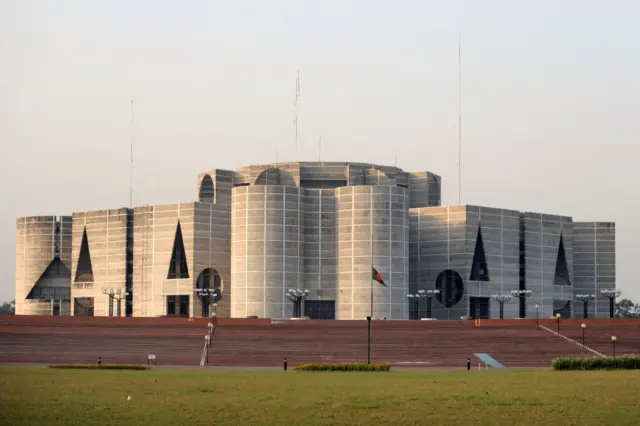
In ongoing discussions within the National Consensus Commission regarding constitutional reform, significant agreements have been reached on balancing the powers of the Prime Minister and the President and on modifying the appointment processes of key constitutional institutions. However, the BNP and several other parties have expressed dissent on certain proposals.
According to the commission’s report, the extensive centralization of the Prime Minister’s powers could increase the risk of future authoritarian or fascist rule. Therefore, the primary objective of the constitutional reform is to decentralize state power and ensure effective checks and balances among institutions.
Reduction of Prime Minister’s Powers
Under the parliamentary system, the Prime Minister’s unilateral powers will be somewhat limited. For instance, the Prime Minister will no longer have direct control over the formation of the Election Commission. A selection committee, comprising representatives from the government, opposition, and judiciary, will choose the Chief Election Commissioner and other commissioners, who will then be appointed by the President.
Additionally, the President will directly appoint members of the Human Rights Commission, Information Commission, Press Council, and Law Commission. The practice of holding multiple positions simultaneously by the Prime Minister has been prohibited; a sitting Prime Minister cannot serve as the head of any political party or parliamentary leader.
Changes have also been made regarding the declaration of a state of emergency. Unlike before, the Prime Minister’s signature alone will not suffice; cabinet approval will now be required. The presence of the opposition leader or deputy in the emergency declaration meeting is mandatory.
Expansion of Presidential Powers
According to the decisions of the Constitutional Reform Commission and the Consensus Commission, the President’s powers are being strengthened. Appointments of the chiefs of the Army, Navy, and Air Force; DGFI and NSI chiefs; Attorney General; heads of the Information Commission, Human Rights Commission, Press Council, Law Commission; Governor of Bangladesh Bank; chairman of the University Grants Commission; and regulatory commission chairpersons will now be made by the President.
Parliamentary Accountability and Oversight
Opposition participation in parliamentary committees has been ensured. Particularly, for matters other than money bills and confidence votes, MPs will be able to vote independently. Professor Ali Riaz, Vice-Chairman of the National Consensus Commission, said, “The Prime Minister’s powers have been somewhat curtailed within the constitution. A fixed term for the Prime Minister has been established, and the Prime Minister’s unrestricted control over the Election Commission and key committees has been removed. While not complete, significant progress has been made.”
Dissent from BNP and Other Parties
BNP, the 12-party alliance, and the Nationalist aligned coalition still hold differing views on some proposals, particularly regarding presidential appointment powers, allocation of PR-based seats in the upper house of a bicameral parliament, and opposition participation in committee chair positions.
This process of constitutional reform and consensus is expected to play a crucial role in ensuring a balanced distribution of power and democratic oversight in the country’s future political landscape.

প্লিজ লগইন পোস্টে মন্তব্য করুন!
আপনিও পছন্দ করতে পারেন
- Jul 06, 2026
Court Orders Arrest Show for Former MP Afzal...
- Jul 06, 2026
Pahari Students Protest in Dhaka Demanding Re...

- Jul 03, 2026
BNP MAINTAINS QUIET PREPARATION AHEAD OF LOCA...

- Jul 03, 2026