PNN News Desk, Dhaka
After the July mass uprising, the National Citizens Party (NCP), which emerged as a new political force, is now moving toward alliance politics due to organizational realities. In particular, the party is planning to continue its movement for referendum results and the implementation of the July Charter within the 11-party alliance led by Bangladesh Jamaat-e-Islami.
According to NCP leaders, a broader political movement is necessary to implement state reforms and anti-authoritarian political commitments. However, due to the party’s still-weak organizational structure, it is difficult to pursue this struggle alone.
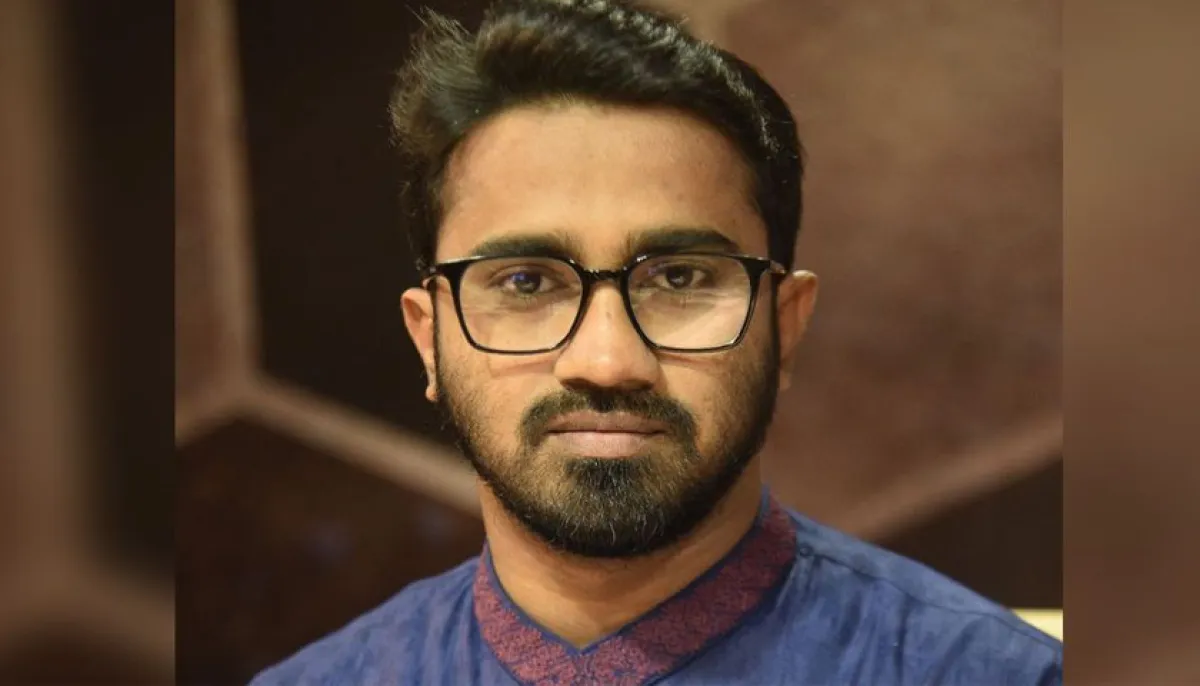
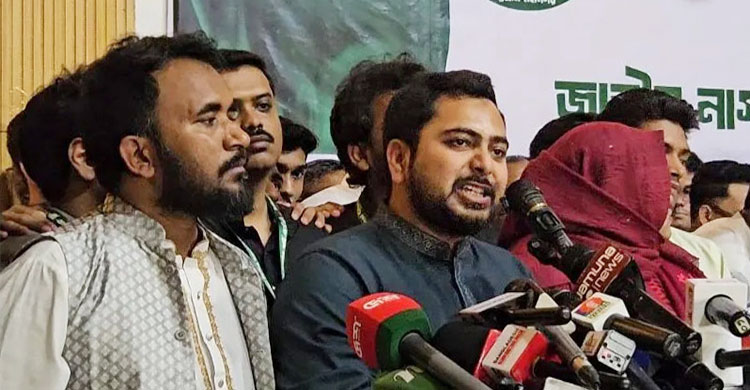
Senior joint convener Ariful Islam Adib said that ensuring the implementation of referendum results and the July Charter is currently their main goal. For this, political programs will continue both under party initiatives and the 11-party alliance platform.
NCP leaders believe that local government elections could be an important opportunity to expand their organizational base. They plan to strengthen their presence at the grassroots level by participating in union parishad, municipality, upazila parishad, and city corporation elections through alliances.
Some top leaders of the party believe that long-term organizational work is necessary to establish a new political trend. However, due to the influence of old political parties and the existing political structure, rapid growth of new forces is not easy.
There are also differences of opinion within NCP regarding alliance politics with Jamaat. Before the elections, several central leaders resigned or became inactive due to this alliance. Critics argue that close ties with Jamaat may weaken NCP’s independent political identity.
There is also ongoing discussion on social media regarding the party, especially concerning the past student politics of some leaders.
However, NCP leaders say their relationship with Jamaat is a strategic political coordination, not ideological integration. They claim they maintain a separate stance on state reform and democratic transformation.
As an example, they mention their position on a recent parliamentary bill, where NCP did not oppose a law that Jamaat objected to regarding the retention of controversial names from the liberation war period.
Efforts are also underway to bring back resigned leaders, according to Ariful Islam Adib, but no one has officially returned yet.
Political analysts say the biggest challenge for NCP is maintaining its independent identity and political position while operating within coalition politics.