- Apr 04, 2026
Sudan’s Silent Suffering: The Horrific Reality of Sexual Violence
- Jan 07, 2026
- International
International Desk: PNN
In the ongoing conflict in Sudan, sexual violence is being used as a silent weapon. Victimized women often cannot speak out due to fear, shame, and societal pressure.
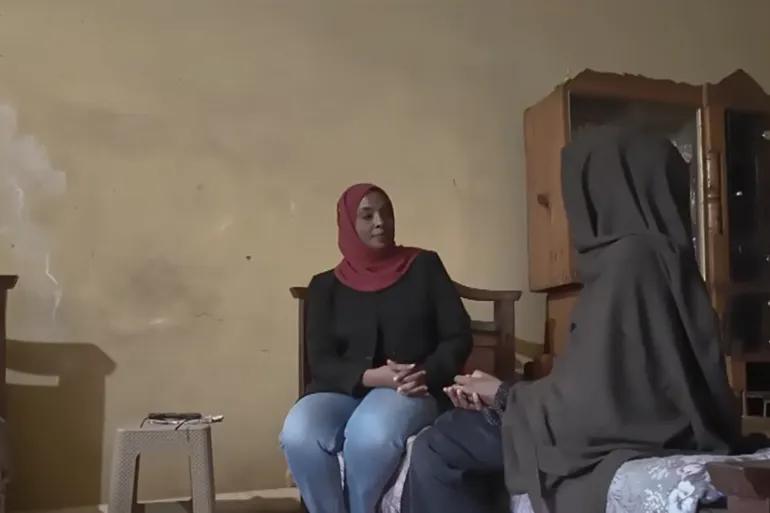
One such woman, Mariam (alias), was separated from her group by armed men while traveling from Gezira State to Khartoum early last year. She was taken to an empty room and raped. Her family reports that the perpetrators were members of the Rapid Support Forces (RSF).
This incident is not isolated. In Darfur’s El-Fash area, similar atrocities are occurring. Umm Kulsum (alias), a medical student, witnessed the killing of relatives and mass rape and later became a victim herself.
Reports from various human rights organizations indicate that sexual violence against women and children is systematic. A recent report by an organization working with women in the Horn of Africa shows that from April 2023 onwards, about 1,300 incidents of sexual and gender-based violence have been recorded across 14 states in Sudan.
The organization notes that these crimes are part of a planned strategy. Armed groups often enter homes, ask, “Is there a girl in this house?” and then abduct, rape, and detain young women and girls. Many are forced into domestic labor or sexual slavery. Some are even trafficked to neighboring countries.
Lawyers and human rights observers say that violence against the Masalit community has taken on the character of punitive and ethnic persecution. Due to the breakdown of law and order, perpetrators often act with impunity, further encouraging violence.
The severity of the situation is most evident in hospitals. Officials at Omdurman Maternity Hospital report that even children under two years old have been raped. Many adolescent and young women visit hospitals for unwanted pregnancies. In some cases, abortions are possible, but many are forced to carry pregnancies to term.
UNICEF has confirmed over a hundred cases of sexual violence against children since the beginning of 2024, including children under five. Analysts suggest that the atrocities follow a structured pattern: looting and rape at homes, public attacks, followed by prolonged detention and exploitation.
Amidst this, famine risks are rising nationwide. Reduced food aid has left millions at risk of hunger. While international sanctions have targeted some RSF leaders, the impact on the victims’ lives has been minimal.
Even after the war ends, the struggle for survivors like Mariam and Umm Kulsum will continue. Social stigma, psychological trauma, and lack of justice mean a long, difficult road still lies ahead.

প্লিজ লগইন পোস্টে মন্তব্য করুন!
আপনিও পছন্দ করতে পারেন
- Apr 04, 2026
Iran executes two opposition group members; o...

- Apr 04, 2026
Fire at gas facility in UAE, 1 dead
- Apr 03, 2026
Israel’s Attacks in Lebanon Devastate Healthc...
- Apr 03, 2026