- Nov 04, 2026
LPG Crisis Triggers Intelligence Reports, Allegations of Artificial Shortage
- Oct 04, 2026
- Bangladesh
PNN News Desk | Dhaka
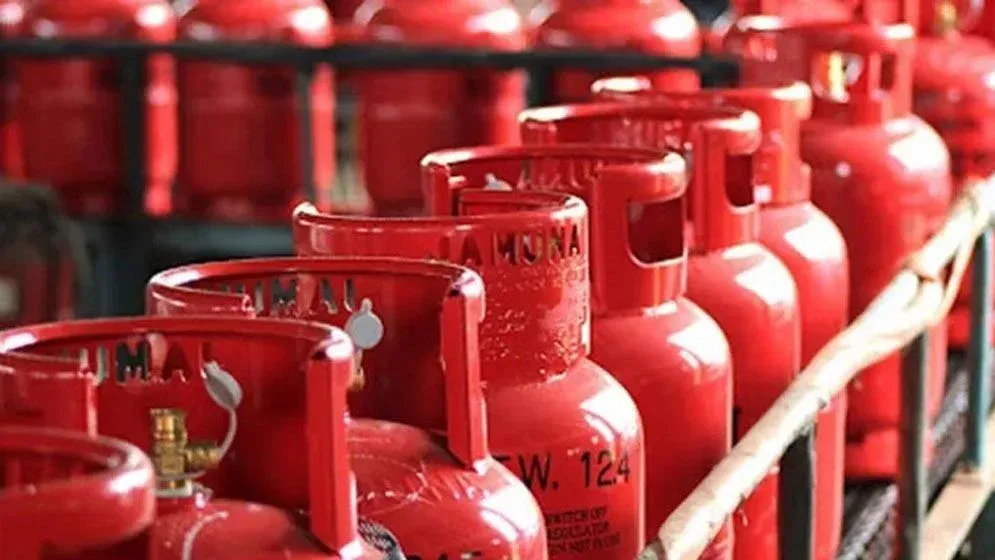
Fresh concerns have emerged over a supply shortage and unusual price hikes of liquefied petroleum gas (LPG) cylinders in the country’s market. Reports prepared by two intelligence agencies have reportedly found information suggesting that several LPG companies may be attempting to create an artificial shortage in the market to make excess profits. After the matter was brought to the attention of the government’s top level, Energy Minister Iqbal Hasan Mahmud held a meeting with leaders of the LPG Operators Association of Bangladesh (LOTAB) on Saturday.
The meeting was held at the Secretariat, where discussions focused on LPG stocks, imports and the overall supply situation in the market. Information from various government agencies and the National Board of Revenue (NBR) was presented at the meeting, showing that there was no clear evidence of a shortage in LPG imports compared with domestic demand. Questions were therefore raised with the operators about how the market shortage had emerged and why LPG was being sold at prices far higher than the officially fixed rates.
However, LOTAB leaders rejected the allegations of creating an artificial shortage. They claimed that international LPG prices and import costs have increased. According to them, a slight adjustment in prices under the current circumstances would help maintain a stable supply in the market.
The Energy Minister faced several questions from journalists after the meeting but declined to comment on the matter.
According to information from traders and people involved in the sector, LPG supply shortages have been observed in various parts of the country since September 22. Although the Bangladesh Energy Regulatory Commission (BERC) has fixed the price of a 12-kilogram LPG cylinder at Tk 1,585, there have been allegations that it is being sold for as much as Tk 2,500 in some places.
The price of LPG in the international market has increased, while shipping costs have also risen due to the conflict in the Middle East, resulting in a moderate increase in import costs. However, questions have also been raised over whether some operators took advantage of the situation by stockpiling LPG in advance.
According to the intelligence reports, several companies had already stored LPG in their own tankers. The reports also mentioned that some LPG-carrying vessels were stationed near the Bay of Bengal before September 30.
Several of the companies concerned, however, denied these allegations.
Meghna Group Chairman Mostafa Kamal said their Fresh LPG did not stockpile the product. Instead, the company imported less LPG in September than in previous months, and the relevant information is also recorded in NBR documents. He said initiatives were being taken to import more LPG within the next one to one-and-a-half months to help ease the crisis.
Omera Petroleum Chairman Azam J. Chowdhury also rejected the allegations of stockpiling. He said reports alleging that Omera and several other companies had hoarded LPG were not accurate. In his view, the crisis could be addressed by increasing supply to the market.
According to information contained in the intelligence reports, more than 150,000 tonnes of LPG are consumed in the country every month. Around 98 percent of total demand is met through imports by private companies. Although around 29 LPG companies are active in the country, the majority of the market is controlled by 12 to 14 companies.
The report said four companies—Omera Petroleum, Petromax, Meghna and Jamuna Spacetech—supply around 68 percent of the country’s LPG. In addition, BM Energy supplies around 8 percent, United Aygaz around 7 percent and Delta around 4 percent. JMI and Premium LPG each account for around 3 percent of the market.
The country imported 157,760 tonnes of LPG in August. According to BERC data, the volume of imports in September was also almost the same.
United Aygaz imported around 23,500 tonnes of LPG in September, significantly higher than the approximately 12,000 tonnes it imported in August. Jamuna Spacetech imported around 21,000 tonnes, BM Energy 18,252 tonnes, Omera around 14,500 tonnes and Meghna Group around 13,400 tonnes of LPG during the month.
To determine the actual cause of the shortage in the market, BERC has started collecting information on LPG sales. According to commission sources, 10 to 12 companies have been asked to provide their daily LPG sales records for September.
A letter signed by Commission Secretary Nazrul Islam Sarker instructed the concerned companies to submit their daily sales information for September. They were directed to send the information to the commission by Sunday.
Meanwhile, the rise in international LPG prices could also affect the domestic market. Import documents collected by the Energy Division and BERC showed that an additional premium of around $180 to $200 per tonne was paid for LPG imports in September.
In addition, Saudi Aramco’s announced contract price has also increased. This price plays an important role in determining LPG prices in the international market.
After reviewing these developments and changes in import costs, BERC is determining the new LPG price for October. Under the existing rules, the new price is scheduled to be announced on Sunday afternoon.
However, alongside determining the new price, ensuring a normal supply in the market and preventing LPG from being sold above the officially fixed price have now emerged as major challenges.

প্লিজ লগইন পোস্টে মন্তব্য করুন!
আপনিও পছন্দ করতে পারেন
- Nov 04, 2026
Garment Workers Clash with Police Repeatedly...
- Nov 04, 2026
24 Platoons of BGB Deployed in Savar-Ashulia,...
- Nov 03, 2026
Security Tightened in Narayanganj Amid Garmen...

- Nov 03, 2026