- Jul 06, 2026
Government Irresponsibility Amid Trade Crisis? Sharp Criticism from CPD Fellow
- Jul 20, 2025
- Business
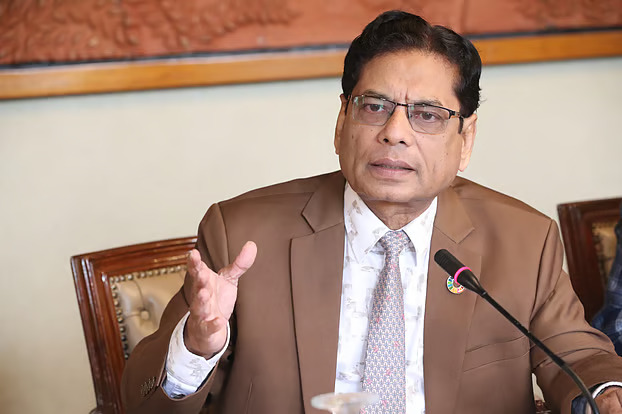
Bangladesh is facing economic pressure following the imposition of retaliatory tariffs by the United States, said Mostafizur Rahman, Distinguished Fellow at the Centre for Policy Dialogue (CPD). He remarked that the government had taken the issue lightly, showing a level of confidence—perhaps overconfidence—that is now costing the country.
He made these remarks on Sunday (20 July) at a roundtable titled "US Retaliatory Tariffs: Which Path for Bangladesh?" held at a hotel in Dhaka.
Mostafizur Rahman said,
“The government believed a quick solution could be reached through negotiations and had a mindset of taking credit for it. But the reality of international negotiations is different. Now we realize how unprepared we actually were.”
He added,
“It is essential to monitor the positions of Bangladesh’s competitor countries in tariff negotiations. Beyond tariffs, we must also consider non-tariff barriers, geopolitical strategies, bilateral relations, and the need to protect national sovereignty.”
Referring to Bangladesh’s garment sector, Rahman noted,
“Bangladesh is still a major apparel supplier to the United States. It's not feasible to exit this market overnight. However, how much of the additional tariff burden can be absorbed will depend on negotiations between buyers and exporters.”
He warned,
“Maintaining our foothold in the US market is extremely important. Countries like India are eagerly trying to take advantage of this situation. So, we need to strengthen our strategies.”
Discussing the US administrative structure, he stated,
“The tariff imposition began during the Trump administration. Now we need to assess how long this will remain in effect. Besides the USTR, the US State Department is also actively involved in the process. We must understand this clearly and consider hiring lobbyists and engaging in strategic discussions.”
Economists, researchers, and business leaders from various sectors of Bangladesh participated in the discussion. Together, they shared views on how Bangladesh can safeguard its export markets while maintaining strong relations with the US amidst this crisis.
প্লিজ লগইন পোস্টে মন্তব্য করুন!
আপনিও পছন্দ করতে পারেন


- Jul 06, 2026
Gold Price Reduced by Tk 3,266 Per Bhori, BAJ...
- Jul 06, 2026
Government Invites Investment to Revive 44 St...
- Jul 06, 2026
Government Reconstitutes Public Procurement C...
- Jul 03, 2026