- May 02, 2026
Amid Youth Protests, Nepalese Prime Minister Oli Resigns; At Least 31 Killed in Violence
- Sep 11, 2025
- International
International Desk | PNN:
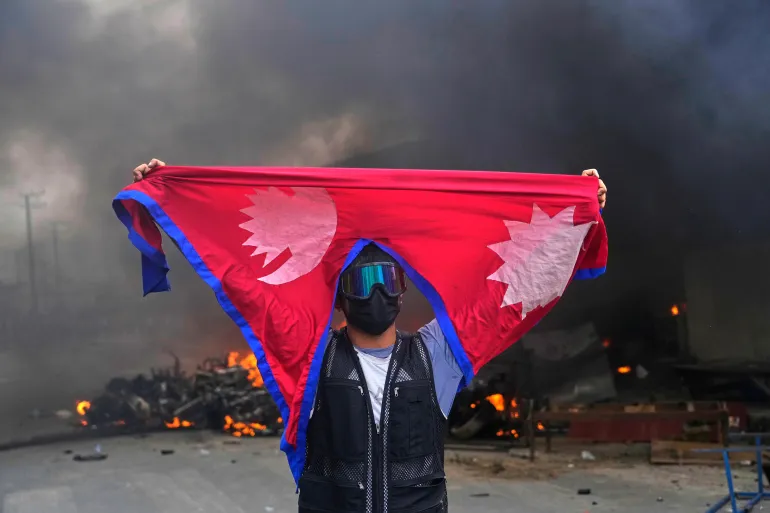
Nepalese Prime Minister K.P. Sharma Oli was ultimately forced to resign amid massive youth-led protests against corruption and nepotism. The situation escalated further after at least 31 people were killed in continuous violence on Monday and Tuesday.
During an event on Sunday, Oli mocked the youth “Gen Z” movement, saying, “They think they can demand whatever they want in their own name.” However, just two days later, that comment appeared to symbolize his political downfall.
On September 8, hundreds of thousands of young people took to the streets of the capital Kathmandu to protest corruption and the privileges of “nepo kids” (children of elites benefiting from nepotism). Government restrictions on social media further fueled the unrest. When protesters tried to enter the parliament building, police opened fire, killing at least 19 people.
The next day, violence spread further. Protesters set fire to the parliament building and the residences of several top politicians. Even the offices of the country’s largest media outlet, Kantipur Publications, were torched.
Under mounting pressure, Oli formally submitted his resignation on Tuesday afternoon. However, the protesters did not stop there. They demanded the dissolution of parliament, the organization of new elections, and ensured participation of youth in an interim government.
Political analysts say Nepal’s instability could impact not only the country internally but also its regional geopolitics, including relations with India, China, and Pakistan. Following the pattern of youth-led movements that toppled governments in Sri Lanka (2022) and Bangladesh (2024), Nepal is now moving toward a new political turn.

প্লিজ লগইন পোস্টে মন্তব্য করুন!
আপনিও পছন্দ করতে পারেন
- May 02, 2026
China calls for reconsideration of UN peaceke...
- Apr 30, 2026
New discussion on EU joint defense clause ami...

- Apr 30, 2026
Israeli forces block aid convoy in internatio...
- Apr 30, 2026