International Desk, PNN
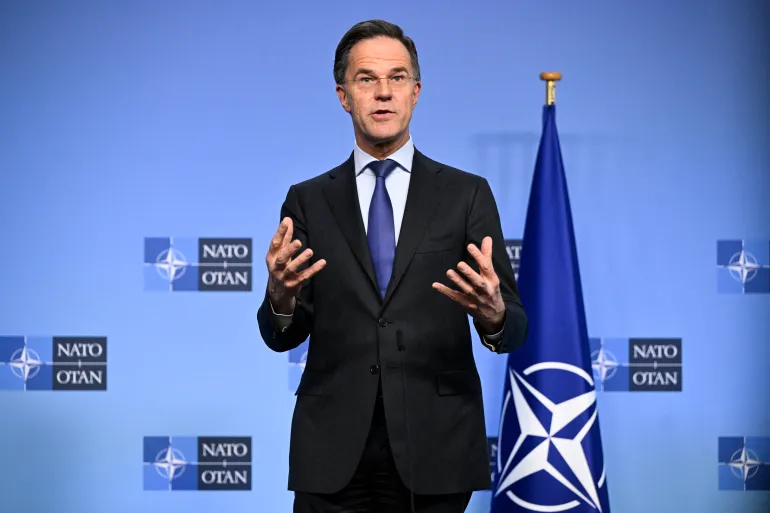
European Union leaders have recently begun discussions on how to effectively implement a rarely used clause in their treaty (Article 42.7 on mutual defense). The initiative comes amid growing uncertainty over US commitment to NATO and increasing tensions between Washington and European allies.
NATO was founded in 1949 on the principle that an attack on one member is an attack on all. However, in recent years, especially during former US President Donald Trump’s tenure, differences between the US and European countries over defense spending and global policy have increased, prompting Europe to focus more on strengthening its own defense capabilities.
Analysts say Article 42.7 of the EU treaty guarantees mutual defense among member states. If one member is attacked, others are obligated to assist. However, unlike NATO, it does not have a unified military command structure or automatic defense system, making it a comparatively weaker security guarantee.
Countries including Cyprus have demanded that the clause be made more practical and effective. In light of recent global tensions, the European Commission has reportedly begun work on a “handbook” for implementing the clause.
French President Emmanuel Macron has stated that the clause should not remain symbolic but should be treated as a real commitment. The President of the European Council has also indicated plans to develop guidelines on its application.
Historically, the clause has been invoked only once, in 2015 after terrorist attacks in Paris, when France invoked it and other European countries provided intelligence and support.
Experts say that while there is no legal mechanism to expel a country from NATO, a member can voluntarily leave the alliance. However, the biggest question for Europe now is how far it can ensure its own security without relying on the United States.
In response, several European countries are planning to increase defense spending and are focusing on building a more self-reliant security structure in the future.