- May 02, 2026
Al-Shara and SDF Chief Meet to Consolidate Ceasefire in Syria
- Jan 19, 2026
- International
International Desk: PNN
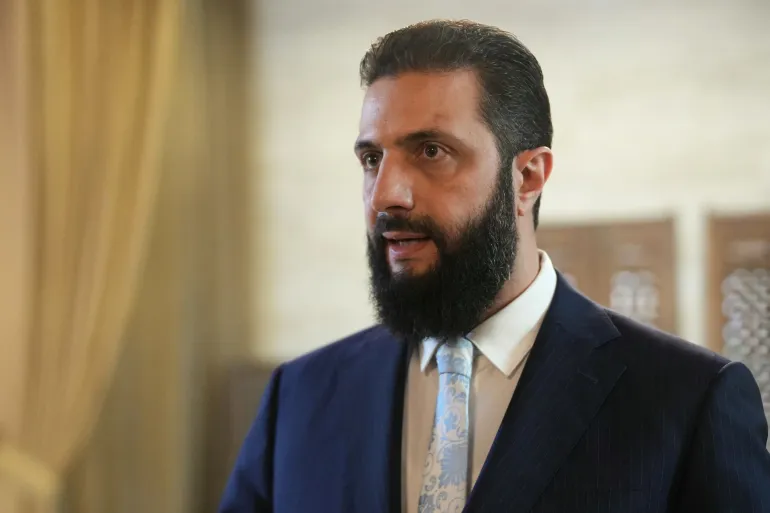
After several days of intense fighting in northern Syria, Syrian President Ahmed Al-Shara and the Kurdish-led Syrian Democratic Forces (SDF) chief Mazlum Abdi are scheduled to meet to implement the ceasefire and strengthen political compromise. The meeting, originally planned for Sunday, had been postponed due to adverse weather conditions.
Following operations by the Syrian army and government-backed tribal forces from Aleppo to Raqqa, the situation dramatically shifted, restoring central government control over much of northeastern Syria. Under this pressure, the SDF agreed to the ceasefire and to comply with a comprehensive agreement, under which Kurdish civilian and military administrations will gradually come under state authority.
In a television statement on Sunday, Mazlum Abdi said the SDF had been pressured into the conflict by multiple parties. He confirmed that they had accepted the ceasefire and would report the details of the agreement after returning from Damascus.
Earlier on Saturday (18 January), Syrian President Al-Shara signed the ceasefire agreement at the Presidential Palace in Damascus. Following the announcement, residents in the capital expressed relief and joy. Fireworks, car horns, and street celebrations marked the hope for an end to the long conflict. However, alongside the joy, many also expressed concern, noting that previous ceasefires had not always been sustainable.
After nearly fourteen years of devastating conflict, the Syrian population is exhausted by war. Most civilians desire peace and political solutions. Economic hardship is also a major concern, with an estimated ninety percent of the population living below the poverty line, hoping that the cessation of violence will allow reconstruction efforts to begin.
Meanwhile, the SDF announced that to prevent further bloodshed, they had redeployed forces from Deir ez-Zor and Raqqa to Hasakah. The group acknowledged significant losses during the fighting but stated they would remain firm in defending their achievements.
The Syrian Presidency stated that as part of the agreement, SDF fighters would be integrated into state security structures, and government administration would be redeployed in Raqqa, Deir ez-Zor, and Hasakah. President Al-Shara called on all parties, including tribal forces, to cooperate in implementing the agreement.
Analysts suggest that the agreement allows Syria to regain control of oil and gas-rich regions, which could be a significant future source of state revenue. While immediate benefits may not be evident, ensuring security and infrastructure could mark the beginning of a new reconstruction phase.
The biggest challenges remain the integration of SDF fighters and navigating complex tribal politics. Ensuring the safety of minorities and transitioning from military to civilian administration in newly controlled areas are also critical.
The United States and regional powers are closely monitoring northern Syria. The U.S. Special Envoy and the international community view the agreement as a potential turning point. Meanwhile, Turkish President Recep Tayyip Erdoğan reportedly spoke with Al-Shara over the phone, emphasizing Syria’s regional integrity and the elimination of terrorism.
Overall, while the ceasefire is in effect, its implementation and sustainability will depend on the ground situation, political will, and international involvement in the coming days.

প্লিজ লগইন পোস্টে মন্তব্য করুন!
আপনিও পছন্দ করতে পারেন
- May 02, 2026
China calls for reconsideration of UN peaceke...
- Apr 30, 2026
New discussion on EU joint defense clause ami...

- Apr 30, 2026
Israeli forces block aid convoy in internatio...
- Apr 30, 2026