Saturday, November 7, 2026

New Smartphone Sales Strategy: Apple and Samsung Move Toward Monthly Installments and Subscription-Based Device Use


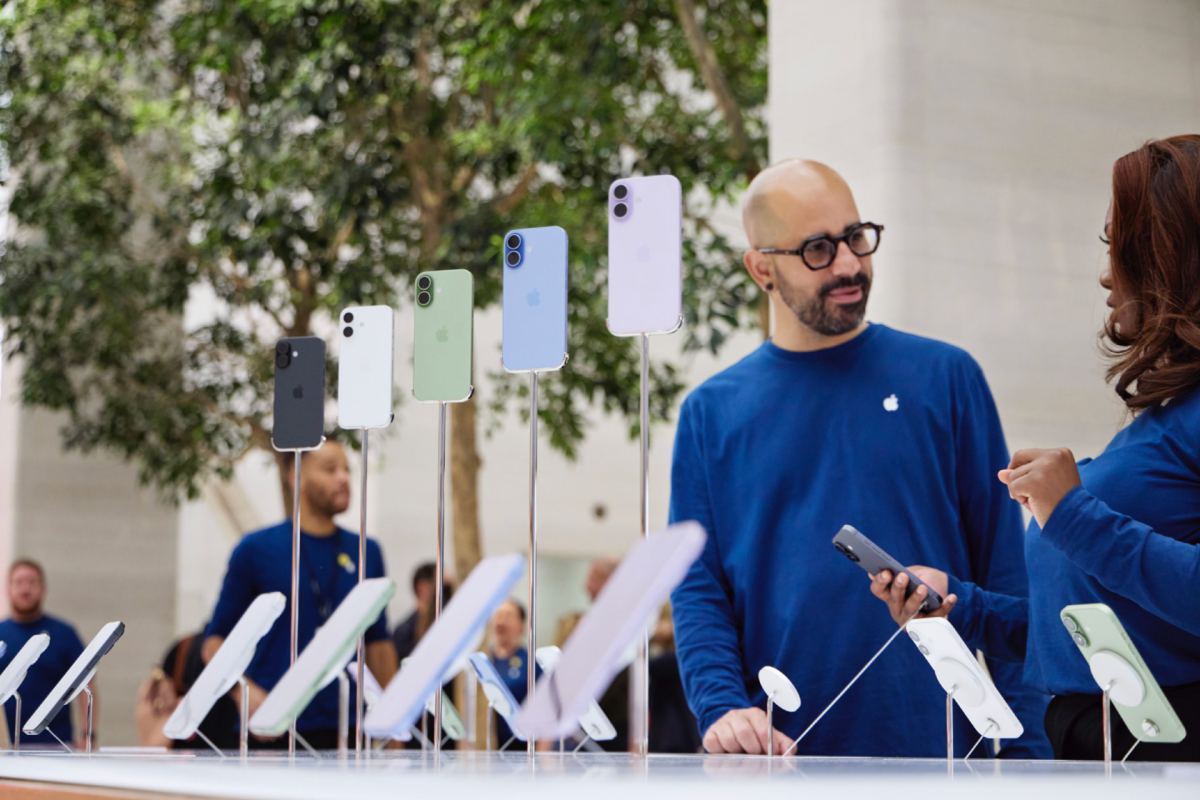
Photo: iPhone (Collected)

Staff Report | PNN

The next major competition in the smartphone market may not be about device technology but about how consumers access and use smartphones.

To maintain growth in the premium smartphone market amid rising prices, major technology companies like Apple and Samsung are moving toward leasing, subscription models, and guaranteed buyback programs.

As smartphone prices continue increasing and new models bring fewer major changes, users are keeping their devices longer. This has reduced opportunities for manufacturers to sell new phones.

To encourage regular upgrades, companies are introducing alternative ownership models.

Recently, Apple launched a new program called Apple Upgrade in the United States. Through a partnership with financial technology company Klarna, customers can use iPhones, Macs, iPads, or Apple Watches through monthly payments.

After a certain period, customers can upgrade, return, or purchase the device.

Apple CEO Tim Cook said the upgrade plan could be an easy solution for customers who want regular access to new technology.

He added that Apple devices are suitable for such programs because they maintain relatively high resale value.

Meanwhile, Samsung has introduced a similar initiative in India called Galaxy Forever. The program combines financing facilities with guaranteed buyback options, allowing customers to move more easily to new Galaxy flagship phones.

Analysts believe the average smartphone replacement cycle is increasing worldwide.

According to Counterpoint Research forecasts, the average smartphone replacement period may reach nearly four years globally in 2026, compared to around three and a half years in 2025.

In the United States, premium smartphone users are now keeping devices for around 42 months on average, compared with 38–40 months a few years ago, according to IDC data.

Creative Strategies analyst Max Weinbach said such programs require a strong secondary market. According to him, leasing and buyback systems allow used devices to return easily to refurbished markets.

However, experts say these models may not benefit everyone. For users who keep the same phone for three, four, or five years, buying a device directly may remain more economical.

LendingTree consumer finance analyst Matt Schulz said subscription or leasing models make more financial sense for people who upgrade phones every one or two years.

Analysts believe these programs are not only designed to encourage faster upgrades but also serve as a customer retention strategy for technology companies.

IDC Devices Research Vice President Navkendar Singh said the main goal is to maintain long-term customer relationships, create regular upgrade cycles, and ensure a steady supply of devices for resale.

Mobile operators in the United States have offered installment and trade-in programs for years. However, the new trend is that technology manufacturers themselves want to build direct relationships with customers.

This shift is also creating opportunities for startups. Indian company BytePe has introduced subscription-based management for smartphones and electronics, claiming most of its customers prefer subscriptions over direct purchases.

Companies like Raylo in the UK and Grover in Germany also allow customers to use smartphones and electronic products through monthly payments.

However, experts believe direct ownership will not disappear completely.

Cashify co-founder Mandeep Manocha said leasing, subscription, and direct ownership models will all continue to have their own place in the market.

Analysts predict that alternative ownership systems may become increasingly popular in the premium smartphone market.

However, the best option for consumers will depend on their usage patterns, upgrade habits, and financial capacity.

Super Admin

PNN

প্লিজ লগইন পোস্টে মন্তব্য করুন!

আপনিও পছন্দ করতে পারেন