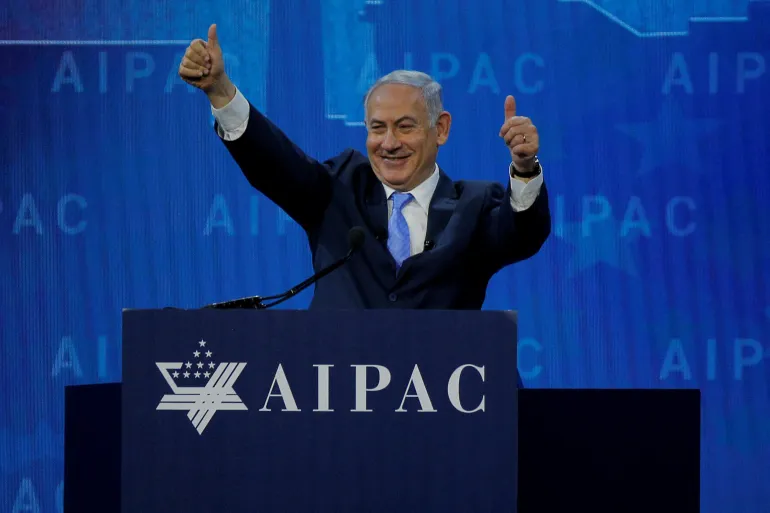
Allegations have emerged in the United States regarding the influence of the powerful pro-Israel lobby group AIPAC in various election contests. According to an investigative report by Al Jazeera, a controversy has arisen over the funding of a congressional campaign advertisement in the state of Illinois.
The report claims that a 30-second campaign advertisement aired in mid-March portrayed Democratic candidate Bushra Amiwala in a positive light, but it was not part of her own campaign. The candidate later distanced herself from the advertisement.
The investigation found that the funding came from a political action committee (PAC) indirectly linked to AIPAC, the largest pro-Israel lobbying organization in the United States. It is alleged that AIPAC spends significant funds in election campaigns to defeat candidates who are critical of Israeli policy.
The report says that in Illinois, the funding passed through multiple layers of PACs, where one organization transferred money to another, allegedly obscuring the original source. Critics describe this structure as a “shell PAC” system.
According to the information, one PAC first donated to an Illinois election group, and then the money came from a larger political fund connected to an AIPAC-linked network.
Under U.S. election law, large political funding amounts are allowed, but in many cases the identity of donors is disclosed only after elections. Some nonprofit organizations involved in elections are not required to disclose their donors.
Critics argue that these legal loopholes allow large lobbying groups to indirectly influence election outcomes.
The report also states that support for pro-Israel policies in the United States has declined in recent times, especially due to the Gaza war and divisions in public opinion over Middle East policy.
Polls indicate that a significant portion of Democratic voters are increasingly sympathetic toward Palestinians, creating new political pressure.
AIPAC has long faced allegations of influencing campaign financing for members of the U.S. Congress. Critics say the organization supports candidates who align with its Middle East policy positions.
However, critics also argue that such financial influence can undermine democratic transparency and voter decision-making.