Staff Reporter: PNN
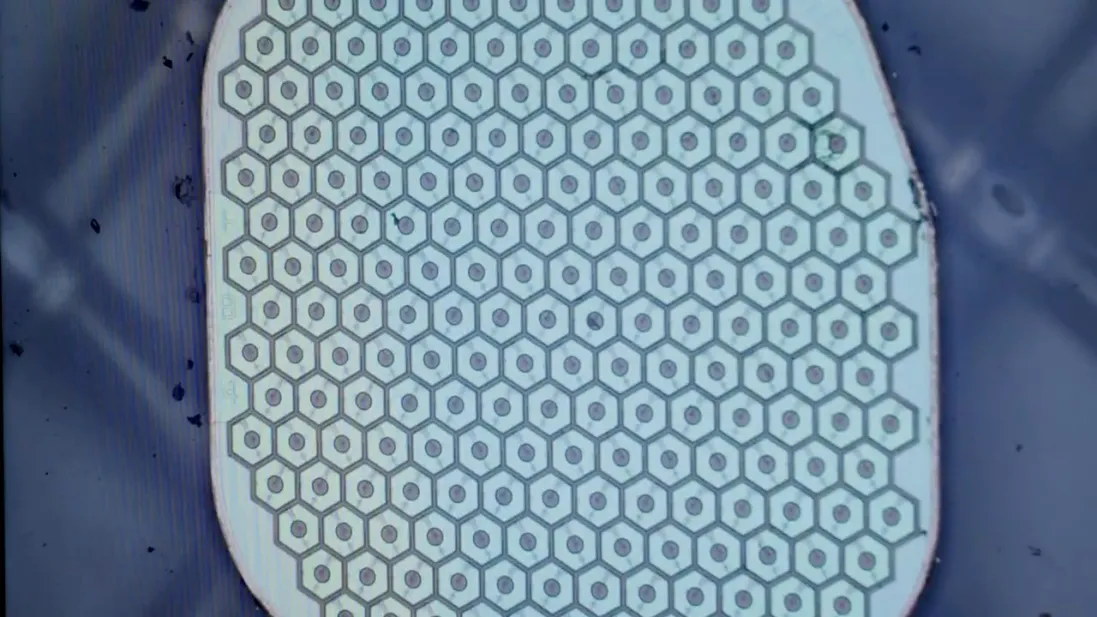
A new type of biohybrid device combining biology and electronics is opening new possibilities in treating brain disorders. Developed by Science Corporation, the technology could play a significant role in future neurological treatments.
Researchers say the tiny device uses light and can integrate naturally with brain neurons. A 2024 study showed it could be safely implanted in mice and stimulate brain activity.
Currently, work is ongoing to develop improved prototypes and prepare neuron cells suitable for medical applications. Ethical approval processes for human trials have also begun.
Neurosurgeon Murat Günel said the first step will be testing the advanced sensor in the human brain without embedded living cells.
Unlike Neuralink devices, which are implanted directly into brain tissue, this sensor will be placed inside the skull but on top of the brain, reducing potential risks.
Trials may involve patients already undergoing major brain surgeries, such as stroke cases requiring skull removal.
Experts believe the device could help treat conditions like Parkinson’s disease, stimulate damaged nerve cells, and even provide early warnings for seizures in brain tumor patients.
However, researchers caution that practical use will take time, with full clinical trials potentially starting around 2027 if progress continues as planned.