- Jul 03, 2026
Myanmar's Nominal Power Transfer by Military: Strategic Reshuffling Ahead of Election
- Jul 31, 2025
- International
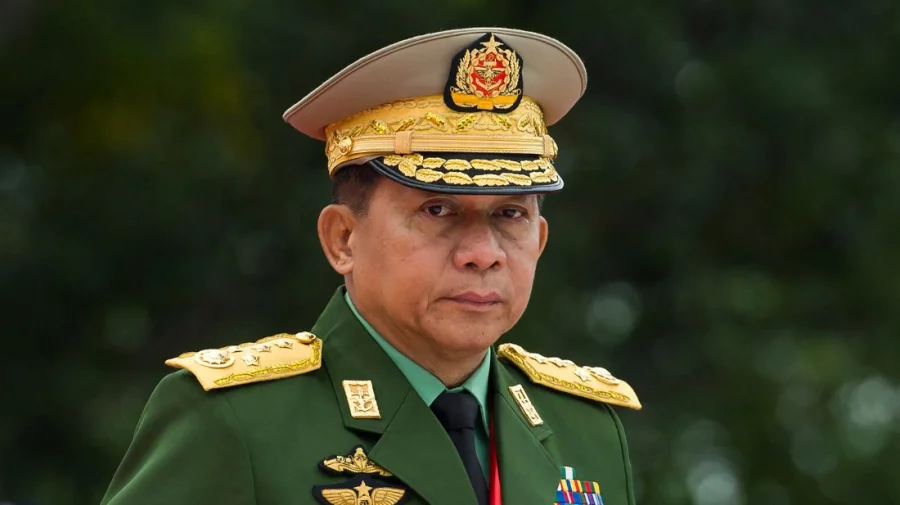
More than three years into military rule, Myanmar's armed forces on Thursday announced the formation of a civilian-led interim government. However, de facto power remains firmly in the hands of coup leader Min Aung Hlaing, who continues to serve as the country’s acting president.
According to a statement published in state media, the decree granting emergency powers to the military following the 2021 coup has been revoked, and a caretaker administration along with a special election commission has been established.
Analysts argue, however, that this is not a genuine transfer of power, but rather an attempt to rebrand the existing military structure in preparation for a controversial election.
“They are just reshuffling the same players and giving the regime a new name,” said Myanmar-focused analyst David Mathieson. “This administration will remain as repressive and abusive as before.”
Military spokesperson Zaw Min Tun stated that the state of emergency—which had been extended seven times since 2021—expired on Thursday and would not be renewed. “The next six months will be considered a preparation period for holding the election,” he said.
However, little is known about the upcoming election. International analysts and Western governments have dismissed it as a “sham,” asserting that genuine opposition parties will either be barred from participation or will boycott the process altogether.
In February 2021, the military ousted the democratically elected government led by Aung San Suu Kyi. Since then, the country has plunged into widespread civil war, with the military conducting extensive crackdowns to suppress resistance.
Last year, while attempting to create a voter list through a national census, the military government was able to carry it out in only 145 out of 330 townships—highlighting its limited control over much of the country.
Commander-in-chief Min Aung Hlaing stated that due to security concerns, voting would be held in phases across various regions in December and January. Meanwhile, martial law and a state of emergency will be reimposed in at least 60 townships—mostly in border areas known for high resistance activity.
China stated that it supports “Myanmar’s development path according to its national realities” and “the steady advancement of its domestic political agenda.”
According to a report by Amnesty International, the military has killed more than 6,000 people and arbitrarily detained over 20,000 since the coup. More than 3.5 million people have been internally displaced.
The military has dismissed these allegations as “Western disinformation.” It justified the 2021 coup by alleging massive fraud in the 2020 election, although international observers found no evidence to support claims that the results were affected.
Source: Reuters

প্লিজ লগইন পোস্টে মন্তব্য করুন!
আপনিও পছন্দ করতে পারেন

- Jul 01, 2026
Record Ocean Heat in June as Global Sea Tempe...
- Jul 01, 2026
Pakistan–Afghanistan Border Tensions Escalate...
- Jul 01, 2026
UN Seeks $100 Million to Support Palestinian...
- Jun 27, 2026