- Jul 03, 2026
Indian Textile Sector in Crisis After Trump Administration Grants Tariff Cuts to Bangladesh
- Aug 01, 2025
- Business
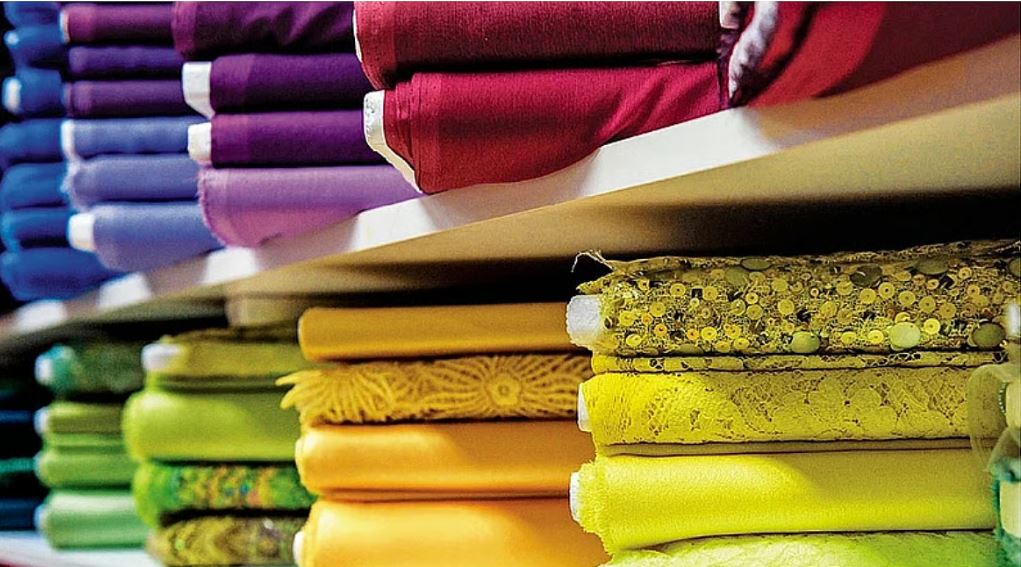
The newly announced import tariff structure by the U.S. government has brought a major shift in South Asia’s trade balance. Bangladesh has emerged as the biggest beneficiary of this policy change, while leading Indian textile companies have suffered significant losses in the stock market.
According to the Trump administration’s announcement, the import duty on Bangladeshi garments and other export products has been reduced from 35% to 20%. At the same time, Pakistan’s tariff rate has been lowered from 29% to 19%. Import duties have also been slashed for Vietnam, Malaysia, the Philippines, and Indonesia.
As the world’s second-largest exporter of ready-made garments (RMG), the United States remains one of Bangladesh’s most important export markets. The reduced 20% tariff will significantly enhance the competitiveness of Bangladeshi products in the U.S. market.
Faruque Hassan, President of the Bangladesh Garment Manufacturers and Exporters Association (BGMEA), said:
“This decision is extremely important for Bangladesh’s apparel sector. It will ease our access to the U.S. market and increase the potential for more orders.”
In Bangladesh’s economy, where the garment sector contributes nearly 84% of total export earnings, this tariff benefit is considered a blessing in terms of foreign currency earnings.
Immediately following the tariff cut announcement, shares of India’s textile-focused companies witnessed a sharp drop. From Thursday afternoon, the Mumbai Stock Exchange began to show a downward trend.
Here are some of the major losses:
Pearl Global Industries: Down 7.2%, new price ₹1,380.05
KPR Mill: Down 4.3%, current price ₹1,092
Gokaldas Exports: Down 3.1%, price ₹824.50
Welspun Living: Down 1.9%, price ₹123.80
Arvind Ltd: Down 1.8%, price ₹310.40
Investors fear that demand for Indian-made garments in the U.S. may decline, as buyers will now be able to import similar products from Bangladesh, Pakistan, and Vietnam at lower tariffs.
According to analysts, this kind of differential trade policy by the U.S. could be damaging in the long run for labor-intensive economies like India.
Gaurav Garg, Senior Research Analyst, stated:
“We are at a critical juncture. If the Indian government doesn’t quickly move to renegotiate trade agreements, countries like Bangladesh, Pakistan, and Vietnam may take over our market share in the U.S.”
Indian textile exporters have urged the central government to start talks with the U.S. immediately. According to AEPC (Apparel Export Promotion Council):
“When our competitors can ship products at lower tariffs, it becomes increasingly difficult for Indian exporters to sustain their position in the U.S. market.”
Particularly in an environment of global currency fluctuations and economic uncertainty, tariff disparities are further weakening India’s competitive edge.
The new U.S. tariff policy has granted tariff reductions to over 50 countries, including several in Southeast Asia, Africa, and Latin America. Many observers are calling this a part of Washington’s strategic trade diplomacy, where the goal is to reduce China’s influence and strengthen ties with regional allies.
Analysts describe this moment as a classic “Opportunity vs. Vulnerability” situation for South Asia. While countries like Bangladesh, Pakistan, and Vietnam are gaining new market advantages, India risks losing its traditional stronghold in the U.S. market.
Source: The Economic Times

প্লিজ লগইন পোস্টে মন্তব্য করুন!
আপনিও পছন্দ করতে পারেন
- Jul 03, 2026
DHAKA MARKETS SEE RELIEF AS PRICES OF EGGS, V...
- Jul 01, 2026
Bangladesh Bank cuts loan growth target, keep...
- Jul 01, 2026
National budget of 9.38 trillion taka passed,...

- Jul 01, 2026