- Apr 19, 2026
EU–India Free Trade Deal: New Challenge for Bangladesh’s Garment Sector
- Jan 31, 2026
- Business
Staff Report: PNN
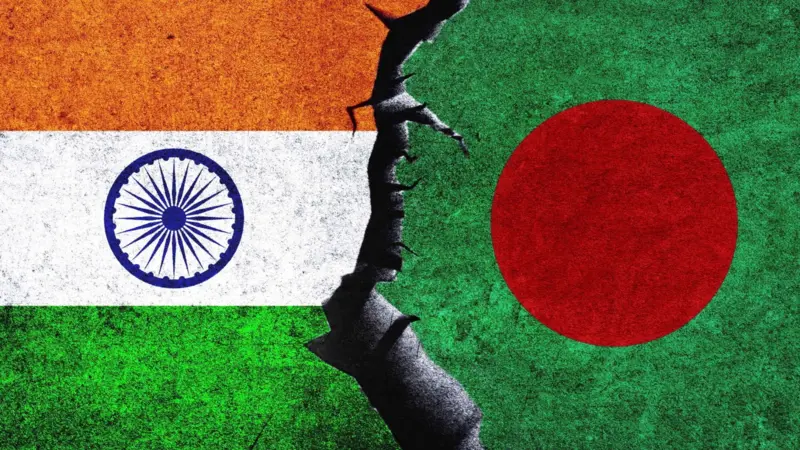
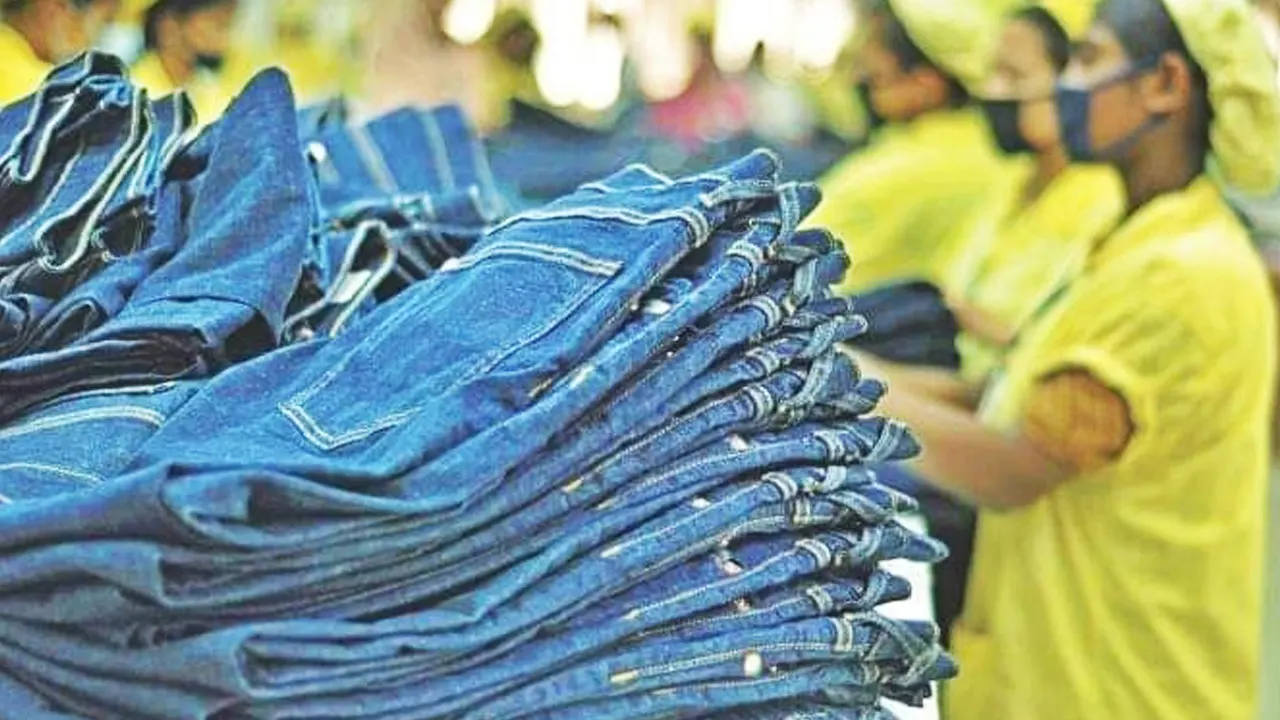
The free trade agreement between India and the European Union (EU) will increase tariff benefits for Indian products. Once implemented, Indian garments and other goods will enter European markets at lower costs, creating new competition for Bangladesh’s garment exports.
After nearly two decades of negotiations, the signing announcement was made last Tuesday. If approved by the European Council, European Parliament, and India’s Parliament, the agreement will take effect in 2027. Under the deal, most Indian goods will enjoy tariff reductions or exemptions in 27 EU countries, particularly garments, leather products, seafood, handicrafts, and jewelry.
India’s Commerce Minister Piyush Goyal expressed hope that this deal would boost India’s textile exports from $7 billion to $30–40 billion. He noted, “Bangladesh has captured the European market with tariff-free benefits, which has been a challenge for us.”
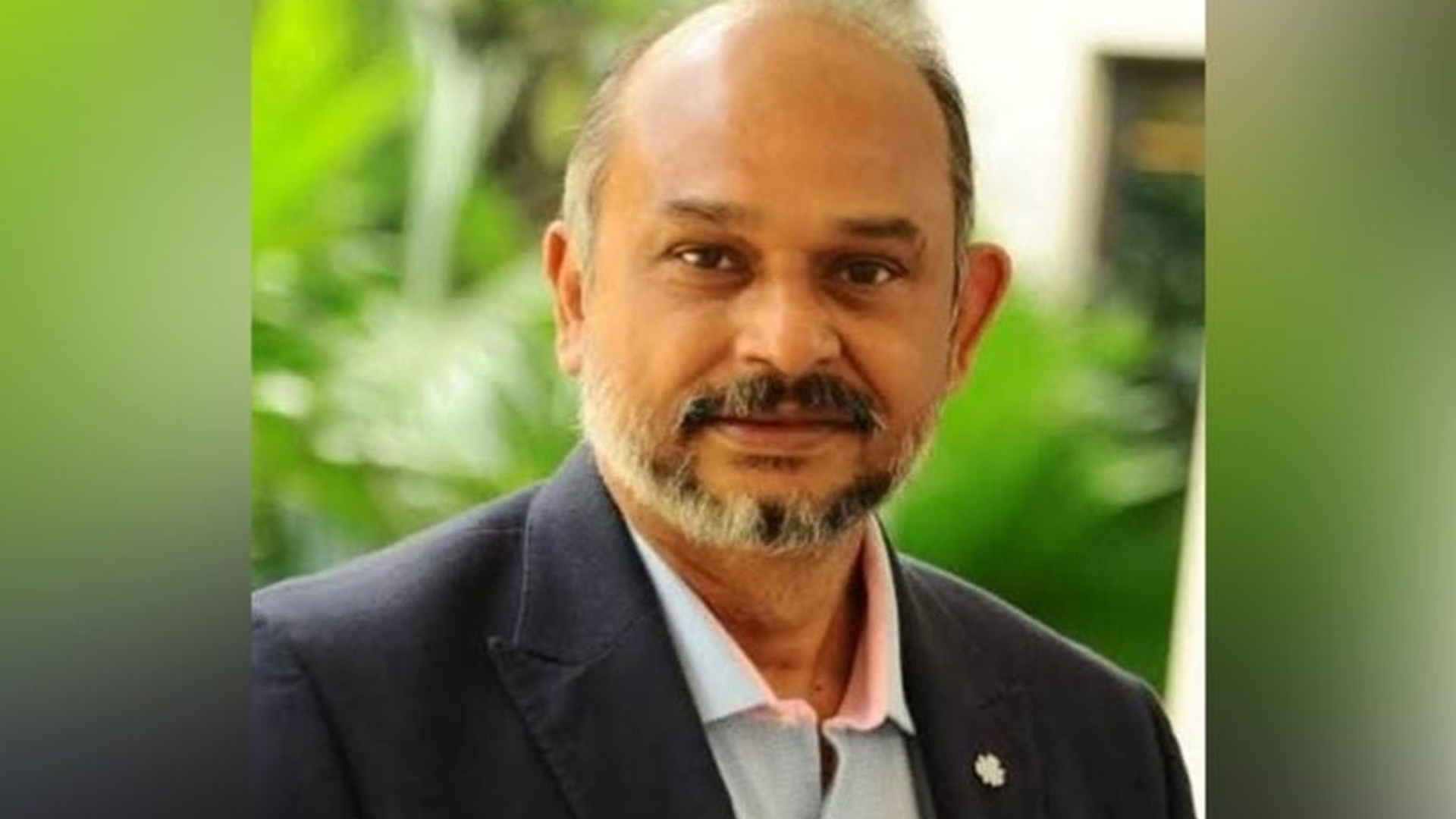
Although this presents new competition for Bangladesh’s garment sector, industry experts believe the immediate risk is limited. BGMEA director and Surma Garments MD Faisal Samad said, “Bangladesh’s garment industry is ahead of India in production capacity, quality, and cost. Also, our products are not identical to India’s.”
However, he cautioned that increased competition may pressure sellers to reduce prices by 10–12%. He recommended cost reduction, lower loan interest rates, assured energy supply, and long-term planning.
Experts believe that with proper policy and production capacity, Bangladesh can manage this competition despite the EU–India deal.
প্লিজ লগইন পোস্টে মন্তব্য করুন!
আপনিও পছন্দ করতে পারেন
- Apr 19, 2026
IMF loan conditions increasing economic press...
- Apr 16, 2026
BEPZA plans new EPZs in Rangpur and Sirajganj
- Apr 16, 2026
Eastern Refinery continues production despite...
- Apr 16, 2026