- Jul 11, 2026
Cuba Plunged Into Darkness Again as Nationwide Power Grid Collapse Hits Millions
- Jul 11, 2026
- International
International Desk | PNN
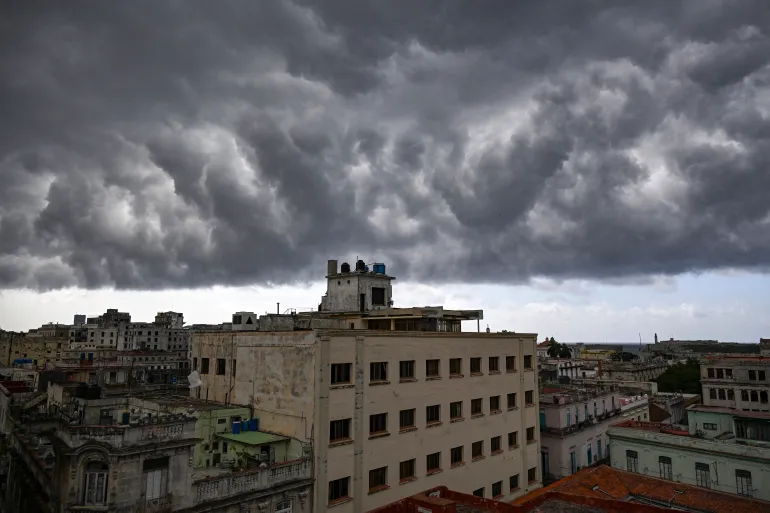
Cuba has once again faced a nationwide electricity blackout less than a week after a similar crisis. On Friday at around 4:30pm local time, the country’s national power grid suddenly collapsed, leaving the entire island nation without electricity. The outage severely disrupted daily life, transportation and essential services.
The state power company Unión Eléctrica de Cuba said a major failure occurred in the national grid during the afternoon. However, authorities did not immediately provide a specific reason behind the blackout.
This marks Cuba’s fourth nationwide power failure since the beginning of this year. Before this, similar large-scale blackouts occurred twice in March and once earlier this week on Monday.
According to analysts, the biggest reasons behind Cuba’s electricity crisis are aging infrastructure and fuel shortages. Most of the country’s power plants were built between the 1960s and 1980s, and their capacity has declined over decades. Lack of regular maintenance and modernization has further worsened the situation.
Meanwhile, Cuba’s fuel crisis has intensified since the beginning of this year. After the administration of US President Donald Trump effectively halted oil supplies from Venezuela to Cuba, the country’s energy situation deteriorated rapidly. Washington later warned countries supplying fuel to Cuba of possible strict trade measures.
According to data from the International Energy Agency, Cuba produces only around 40 percent of its required oil domestically. The country depends on imports for the remaining supply. However, reduced fuel availability has affected electricity generation, creating serious consequences for the economy and public life.
Human rights organizations have also expressed concern over the situation. They say the prolonged energy shortage is increasing pressure on hospitals, public transportation and other emergency services. Shortages of medicines and medical equipment are also increasing health risks for ordinary citizens.
The United States argues that Cuba’s electricity crisis is mainly the result of years of poor management and infrastructure problems. However, Havana has consistently blamed US sanctions and restrictions on fuel supplies as the main causes of the current crisis.
To address the situation, Cuba is attempting to increase the use of renewable energy. With assistance from China, the country is expanding solar power projects, but renewable sources still contribute only a limited share of total energy consumption.
The Cuban government aims to ensure a significant portion of electricity generation comes from renewable sources by 2030. However, energy experts warn that until those plans are fully implemented, the country’s electricity system may continue to face severe challenges.

প্লিজ লগইন পোস্টে মন্তব্য করুন!
আপনিও পছন্দ করতে পারেন
- Jul 11, 2026
Ceasefire Ends, But Talks Remain Open: Trump...

- Jul 06, 2026
Millions Attend Funeral of Khamenei Amid Abse...
- Jul 06, 2026
China Tests Missile from Nuclear Submarine, R...
- Jul 06, 2026