- Jul 11, 2026
Ceasefire Ends, But Talks Remain Open: Trump Issues Strong Warning to Iran
- Jul 11, 2026
- International
International Desk: PNN
Despite renewed tensions in the Middle East following days of fresh conflict, diplomatic communication between the United States and Iran has not completely stopped. However, US President Donald Trump has delivered a strong warning, declaring that the ceasefire agreed between the two sides last month is effectively over and that Iran would face a severe military response if it takes any new action against the United States.
In a post on his social media platform Truth Social on Friday, Trump claimed that Iran had shown interest in maintaining the dialogue process and that the United States had agreed to the proposal. However, he made it clear that the previous ceasefire arrangement was no longer in effect.
Trump also warned that if Iran attempted any action such as an assassination attempt against him, the US military was prepared to launch a major attack. He said that necessary instructions had already been issued to the armed forces.
However, Tehran rejected Trump’s statement. Iranian state media reported that Iran had not requested new negotiations with Washington. Instead, Tehran agreed to hold discussions with Qatari mediators aimed at reducing regional tensions.
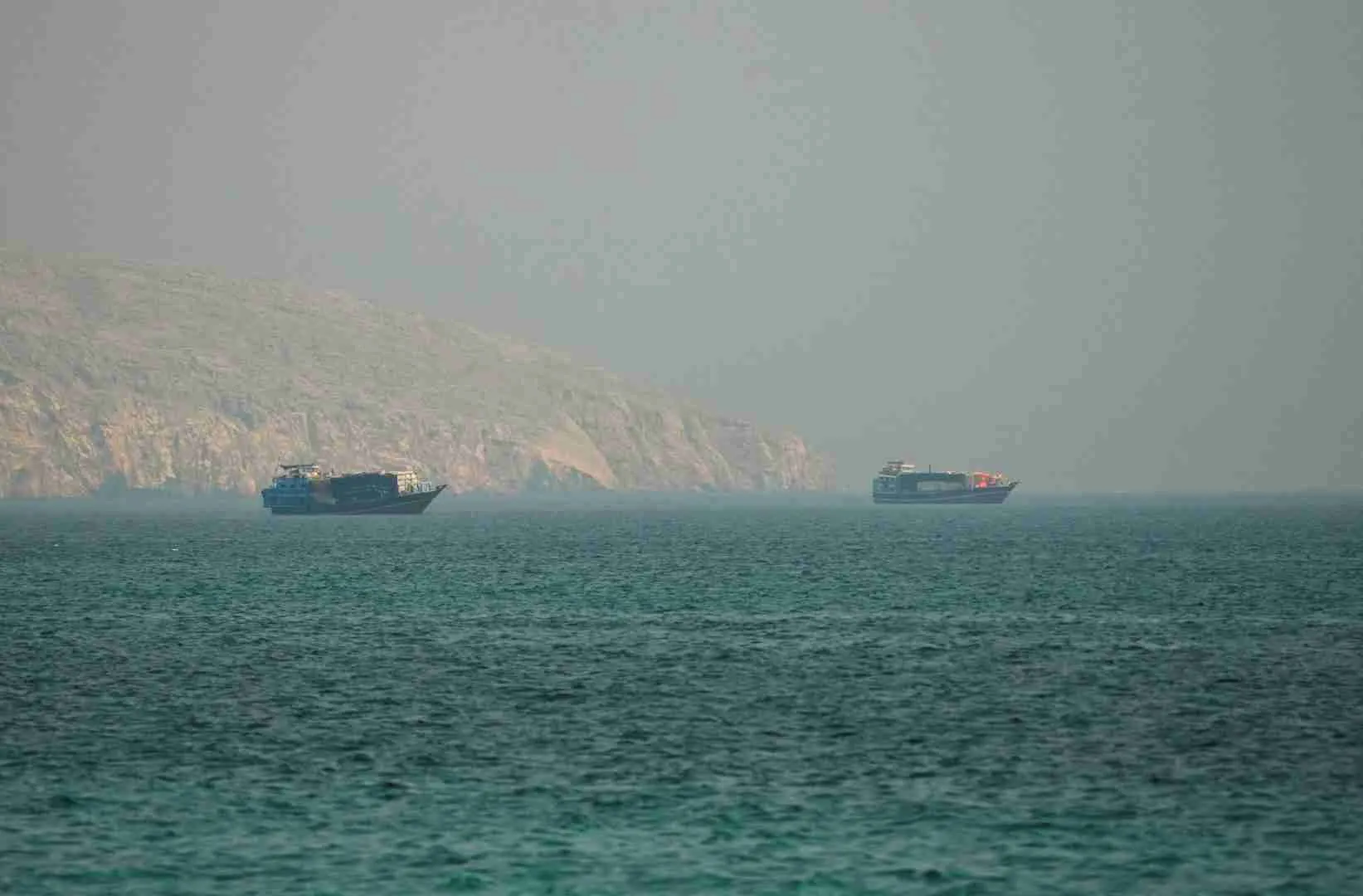
Meanwhile, Qatari representatives are reportedly in Tehran discussing efforts to ease tensions and ensure the safety of maritime traffic in the Strait of Hormuz.
Following renewed clashes in the Gulf region, three commercial oil tankers from Qatar and Saudi Arabia came under attack. In response, the United States carried out strikes on several Iranian facilities. Iran retaliated by targeting US military positions in the Gulf region with missile attacks. However, no new attacks were reported on Friday.
Washington has also increased pressure over the Strait of Hormuz, one of the world’s most important shipping routes. The United States wants Iran to publicly guarantee that it will not attack commercial vessels and that the waterway will remain open for all countries without additional conditions.
Meanwhile, Iranian Foreign Minister Abbas Araghchi has arrived in Oman, where discussions are expected to focus on safe navigation through the Strait of Hormuz and regional security issues.
The humanitarian cost of the recent conflict has also been significant. According to Iran’s Health Ministry, at least 17 people were killed and 115 others injured in US strikes on six Iranian cities on Wednesday and Thursday.
The conflict, which has continued for five months, has already created major instability in global energy markets. Around one-fifth of the world’s crude oil supply passes through the Strait of Hormuz. Growing security risks in the region have pushed international oil prices upward again, increasing pressure on consumers in the United States and other countries.
Despite the rising tensions, diplomatic efforts remain ongoing. US officials said recent communications were constructive, while Tehran warned that any violation of commitments by Washington would be met with “proportionate retaliatory measures.”
Overall, although a temporary calm appears to have returned to the battlefield, political statements, military preparations and diplomatic activities suggest that the Middle East crisis is far from resolved. The international community is closely watching how the situation develops in the coming days.

প্লিজ লগইন পোস্টে মন্তব্য করুন!
আপনিও পছন্দ করতে পারেন
- Jul 11, 2026
Cuba Plunged Into Darkness Again as Nationwid...
- Jul 06, 2026
Millions Attend Funeral of Khamenei Amid Abse...
- Jul 06, 2026
China Tests Missile from Nuclear Submarine, R...
- Jul 06, 2026