- Jul 25, 2026
Concerns Over Investigation into Kashmiri Muslim Professionals and Students, Panic Spreads
- Nov 14, 2025
- International
International Desk | PNN:
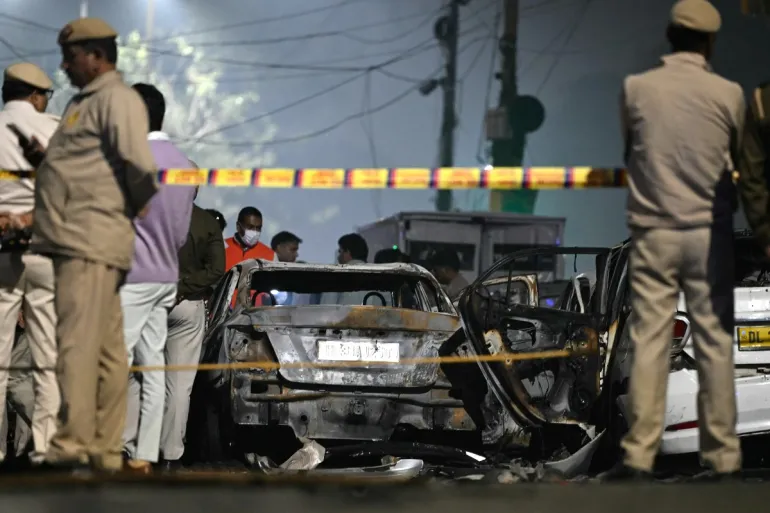
India’s Cabinet, led by Prime Minister Narendra Modi, stated on Wednesday that the car explosion near the Red Fort earlier this week was a “brutal terrorist act conducted by anti-national forces.” The blast killed at least 13 people and injured many.
Political analysts suggest that India’s phrasing indicates that the central government may take strict measures in Kashmir, potentially exacerbating Islamophobia and anti-Kashmiri sentiment across the country.
Before the explosion, Kashmir police units had conducted raids in Delhi, seizing explosives and detaining suspects. Some of the accused include Kashmiri doctors working in hospitals around Delhi.
Following the explosion, over 650 people were detained by Kashmir police. Authorities are attempting to uncover a “white-collar terrorist network” allegedly planning India’s largest terrorist attack. The house of Umar Nabi, suspected as the driver of the exploded vehicle, was demolished.
Analysts note that the government’s use of “anti-national forces” casts suspicion on Kashmiri Muslim professionals and educated youth. Political analyst Sumantra Bose stated, “This measure is a tactic to satisfy domestic public opinion, creating a local ‘internal enemy’ without directly accusing Pakistan.”
Kashmiri students and professionals are reportedly living in fear. Nasir Khwemi, national coordinator of a Kashmiri student organization, said, “In northern Indian states, Kashmiri residents are being asked to vacate homes, actively profiled, and everyone is afraid.”
Experts warn that these measures could impact Kashmiri Muslims’ economic and social lives, making it difficult for them to secure jobs or housing. Moreover, such policies could complicate India’s stance on Kashmir and provide opportunities for Pakistan.
The central government has indicated a “moderate and professional” approach to the investigation, but concerns regarding its attitude toward the Kashmiri community and security policy are rising.

প্লিজ লগইন পোস্টে মন্তব্য করুন!
আপনিও পছন্দ করতে পারেন
- Jul 25, 2026
Thousands of Families in Yemen's Taiz Continu...
- Jul 25, 2026
India's Education Minister Resigns Amid Press...
- Jul 23, 2026
U.S. Investigates Possible Russian Role in Ir...
- Jul 23, 2026