- Jul 06, 2026
China has started construction of the world's largest hydropower dam on the Yarlung Tsangpo River, the source of the Brahmaputra in Tibet, despite objections and concerns from India and Bangladesh.
- Jul 20, 2025
- International
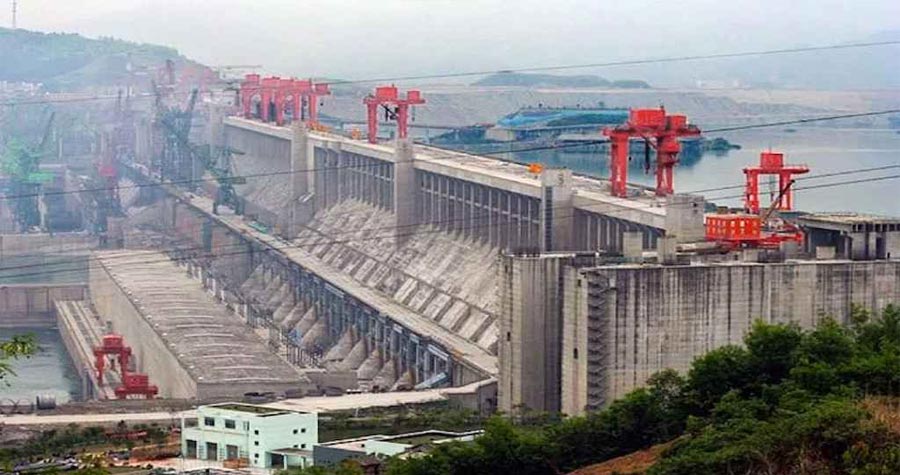
On Saturday (July 19), Chinese Premier Li Qiang officially inaugurated this massive hydropower project in Tibet. According to Chinese state news agency Xinhua, the project is part of China's carbon neutrality goals and a major step in Tibet’s economic development strategy.
The project will generate electricity not only for Tibet but also for other regions of China. It includes the construction of five hydropower plants and is estimated to cost about 1.2 trillion yuan (approximately 167.1 billion USD).
Once completed, this dam will be the largest hydropower dam in the world, surpassing the current largest, the Three Gorges Dam on the Yangtze River.
While the river is known as the Yarlung Tsangpo in Tibet, it is called the Brahmaputra in India and Bangladesh, leading to significant concerns in both downstream countries.
India's Ministry of External Affairs has officially conveyed its concerns to China, requesting that no activities at the river’s source should harm the interests of downstream countries.
China, however, has assured that the project will not cause any harmful effects and that communication with neighboring countries will continue.
Environmentalists have raised worries that such a massive infrastructure project in an ecologically sensitive region like Tibet could severely impact climate change and biodiversity.
Experts warn that the dam may threaten the Brahmaputra’s water flow, agriculture, biodiversity, and the livelihoods of millions of people dependent on the river.
This project has been launched at a time when regional water resource management and diplomatic tensions are increasing in South Asia.

প্লিজ লগইন পোস্টে মন্তব্য করুন!
আপনিও পছন্দ করতে পারেন

- Jul 06, 2026
China Tests Missile from Nuclear Submarine, R...
- Jul 06, 2026
Deadly Prison Clash in Sri Lanka Leaves at Le...

- Jul 06, 2026
Heavy Russian Missile and Drone Attack on Kyi...

- Jul 03, 2026