- Apr 04, 2026
Bangladesh Forced to Buy Expensive LNG from Spot Market Amid Iran–Israel Conflict
- Mar 06, 2026
- Business
Staff Reporter, PNN
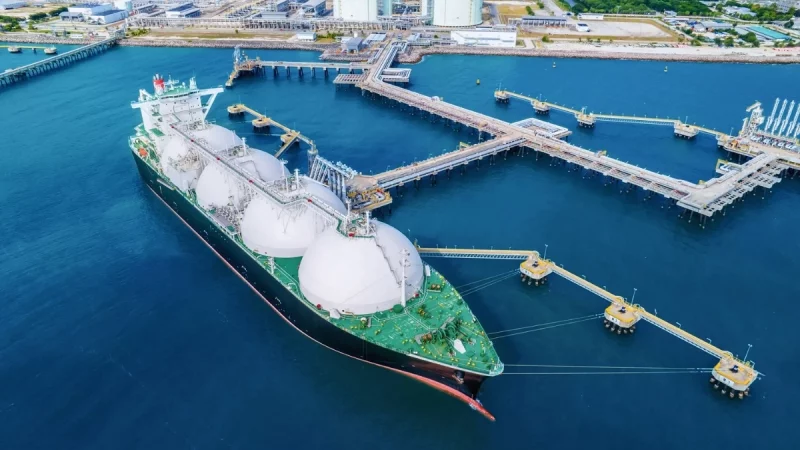
The conflict between Iran and Israel in the Middle East has created instability in the global energy supply. Bangladesh has also been directly affected by the situation. As the supply of liquefied natural gas (LNG) from Qatar has temporarily stopped, the government is now being forced to import LNG from the spot market, or open market, at significantly higher prices.
Officials in the energy sector said that QatarEnergy has declared a “force majeure” under its long-term contract and temporarily suspended gas supply. As a result, gas rationing has begun in the country to limit consumption. At the same time, gas supply has been shut off to at least four fertilizer factories.
State-owned company Petrobangla has decided to purchase two LNG cargoes from the spot market in March to manage the situation. One of them has been purchased from the Switzerland-based energy company Gunvor at a price of $28.28 per million British thermal units (MMBtu), which is expected to arrive in the country between March 15 and 16. Another cargo has been bought from Vitol at $23.8 per MMBtu, which is expected to arrive around March 18–19.
Only a few months ago, LNG prices in the spot market were much lower. In January, Bangladesh was able to purchase gas at around $10 per MMBtu. However, prices have now nearly tripled, causing a rapid increase in the cost of energy imports.
A Petrobangla official said that since the gas supply under the long-term contract from Qatar has stopped, there was little alternative but to buy gas from the spot market at higher prices. Under the current circumstances, priority is being given to gas supply for critical sectors including electricity generation.
Because of this, several fertilizer factories have been temporarily shut down and the gas previously supplied to those factories has been redirected to other sectors. Relevant officials have warned that if the conflict in the Middle East continues for a long time, Bangladesh may have to rely on the spot market for a longer period, which could put significant pressure on the country’s foreign exchange reserves.
The impact of the energy crisis has already raised concerns in the industrial and agricultural sectors. In particular, there are fears that fertilizer shortages may occur in the future due to the closure of fertilizer factories.
To address the current situation, Petrobangla is examining the possibility of importing energy from alternative sources. However, energy analysts believe that high international gas prices have become a major challenge for developing countries like Bangladesh.

প্লিজ লগইন পোস্টে মন্তব্য করুন!
আপনিও পছন্দ করতে পারেন

- Apr 04, 2026
Abnormal increase in airfares due to rise in...
- Apr 04, 2026
A ship carrying 34,000 tons of diesel has arr...

- Apr 03, 2026
Bangladesh Bringing Oil from Yanbu Port to Av...

- Apr 03, 2026