- Jul 06, 2026
Vegetable Prices Ease with Increased Supply, But No Stability in Rice, Fish, and Meat Markets
- Jul 25, 2025
- Business
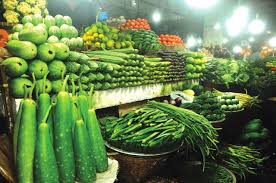
After weeks of steep prices, vegetable costs in Dhaka’s markets have finally begun to ease, thanks to improved supply following a decline in heavy rainfall. Over the past week, prices of most vegetables have dropped by Tk 10–20 per kilogram, according to traders.
A visit to major city markets like Karwan Bazar, Mohammadpur Krishi Market, Hatirpul, and Nayabazar reveals that prices of bitter gourd, okra, bottle gourd, ridge gourd, snake gourd, sponge gourd, taro stalk, yardlong beans, and spiny gourd now range between Tk 50–80/kg. The price of eggplant has fallen to Tk 80–100/kg, while papaya has seen the biggest drop — now selling for just Tk 20–30/kg.
However, off-season vegetables remain costly:
Tomatoes: Tk 130–140/kg
Green beans: Tk 160–180/kg
Cauliflower & cabbage: Tk 80–100/kg
According to the Department of Agricultural Marketing, these prices are Tk 10–30 above the official rate.
In contrast, the potato market is relatively stable:
Kathilal potatoes: Tk 40/kg
Bogura red potatoes: Tk 35/kg
Diamond potatoes: Tk 25–30/kg
Fish and Meat Prices Still High
While prices of vegetables are falling, fish and poultry remain expensive:
Rui (Rohu): Tk 380–450/kg
Tilapia: Tk 250–280/kg
Pangas: Tk 200–250/kg
Pabda & Shing (catfish varieties): Tk 400–500/kg
Poultry Market:
Broiler chicken: Tk 160–170/kg
Sonali chicken: Tk 280–300/kg
Eggs (dozen): Tk 120–130
Red Meat:
Beef: Tk 700–750/kg
Mutton: Tk 1,100/kg
Mixed Trends in Essential Items
Onion prices have increased to Tk 60–65/kg
Garlic remains at Tk 140–200/kg
Ginger stays at Tk 140–220/kg
There’s no change in rice prices:
Miniket: Tk 80–90/kg
BRRI-28/29 (medium quality): Tk 60–65/kg
Swarna (coarse rice): Tk 55–58/kg
TCB’s Weekly Report:
According to Thursday’s report from the Trading Corporation of Bangladesh (TCB):
Loose soybean oil, palm oil, small lentils, and cinnamon have seen slight price increases
Moong dal and sugar prices have decreased slightly
Expert Analysis
While vegetable prices offer some relief, prices of protein-rich foods and key staples remain beyond the reach of many consumers. Economists and market analysts warn that unless broader price stability returns, overall food inflation will continue to strain household budgets.
Source: Field data from Karwan Bazar, Mohammadpur Krishi Market, Hatirpul, Rampura, and Department of Agricultural Marketing.
Let me know if you’d like this summarized into a short news brief or converted into an infographic format.

প্লিজ লগইন পোস্টে মন্তব্য করুন!
আপনিও পছন্দ করতে পারেন


- Jul 06, 2026
Gold Price Reduced by Tk 3,266 Per Bhori, BAJ...

- Jul 06, 2026
Government Invites Investment to Revive 44 St...

- Jul 06, 2026
Government Reconstitutes Public Procurement C...

- Jul 03, 2026