- Nov 04, 2026
US warns of unprecedented economic pressure on Iran, Tehran cautions of retaliation
- Aug 24, 2026
- International
International Desk, PNN
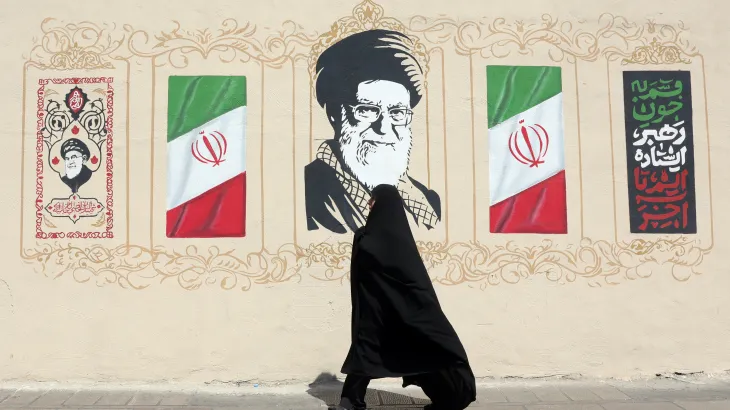
Amid stalled diplomatic efforts to end the war involving Iran, the United States has announced plans to further increase economic pressure on Tehran. US President Donald Trump has warned that countries doing business with Iran could also face severe economic punishment. Iran, meanwhile, has said it will consider any country that cooperates in implementing US sanctions to be an enemy.
US Treasury Secretary Scott Bessent has claimed that the latest economic measures against Iran could bring down the country’s government. He has also called on other countries around the world to join Washington’s efforts to exert such pressure.
Since the war against Iran began in February, the United States has continued its economic pressure on Tehran under what it calls “Operation Economic Fury.” In an effort to disrupt Iran’s oil exports, the United States has imposed sanctions on various companies, intermediaries and vessels involved in oil sales, while also maintaining a naval blockade around Iranian ports.
As part of this campaign, Trump announced on social media last Wednesday that the United States would launch an even tougher economic campaign against Iran. Claiming that Iran had failed to take advantage of opportunities for an agreement, he warned of unprecedented economic warfare and isolation against the country.
Trump also warned countries doing business with Iran that financial institutions, businesses, airports or government agencies providing any kind of assistance to Iran would face major economic consequences.
A day later, US Treasury Secretary Scott Bessent said Washington’s strategy against Iran would be like a “one-two punch.” He said pressure on Tehran would be increased through sanctions on one hand and what he described as the toughest sanctions in history on the other.
Bessent further warned that if any country continued financial transactions with Iran, purchased Iranian oil or transported goods by sea, the US Treasury Department and government would take strict action against them.
Tehran views Washington’s new sanctions plan as a direct intervention in the sovereignty of other countries. Iranian Foreign Ministry spokesman Esmaeil Baghaei said the United States could not force banks, businesses or airports in other countries to stop trading with Iran.
Iranian Foreign Minister Abbas Araghchi said the new US measures would also fail. According to him, Iran had faced similar sanctions in the past.
However, Tehran has warned that countries imposing economic sanctions on Iran under pressure from Washington would themselves face retaliatory measures.
Mohsen Rezaei, secretary of Iran’s Supreme National Security Council, said Iran would consider any country participating in the US economic war against it to be an enemy. He warned that Iran would first try to persuade such countries to change their positions through negotiations, but if that failed, it would target their interests.
Rezaei further warned that if Gulf countries joined the US economic campaign, oil supplies could be disrupted through the Strait of Hormuz as well as alternative routes. During peacetime, around one-fifth of the world’s oil and gas exports pass through this strategically important waterway.
China and Russia could emerge as major challenges to the US plan to economically isolate Iran. China has already said that sanctions and pressure cannot solve the problem. Beijing has called for the crisis to be resolved through diplomatic and political means.
According to analysts, Washington’s influence over China, one of Iran’s largest trading partners, is limited. In particular, a significant portion of China’s energy sector is comparatively less dependent on the US financial system.
China also plays an important role in Iran’s oil exports. According to data from analytics firm Kpler, China purchased around 80 percent of Iran’s seaborne oil exports in 2025. Information has also emerged showing that Iranian oil trade has continued through various methods despite sanctions.
Russia, meanwhile, is a relatively smaller trading partner for Iran, but military and economic cooperation between the two countries has continued for years. Moscow and Tehran have also cooperated in developing alternative trade and financial mechanisms to circumvent Western sanctions.
As diplomatic negotiations remain deadlocked, how effectively the United States can isolate Iran through its new economic pressure and how strongly Tehran can build countermeasures have now emerged as among the most important questions surrounding the ongoing conflict in the Middle East.
প্লিজ লগইন পোস্টে মন্তব্য করুন!
আপনিও পছন্দ করতে পারেন
- Nov 04, 2026
Republicans Suffer Major Defeat as Democrats...
- Nov 04, 2026
Democrats Win Control of Both Chambers of US...
- Nov 04, 2026
Abdul El-Sayed Set to Become First Muslim US...
- Oct 31, 2026