- Nov 04, 2026
Replit Claims It Has Ended Relationship with Anthropic, Partnership Status Remains Unclear
- Oct 17, 2026
- Technology
Staff Report | PNN
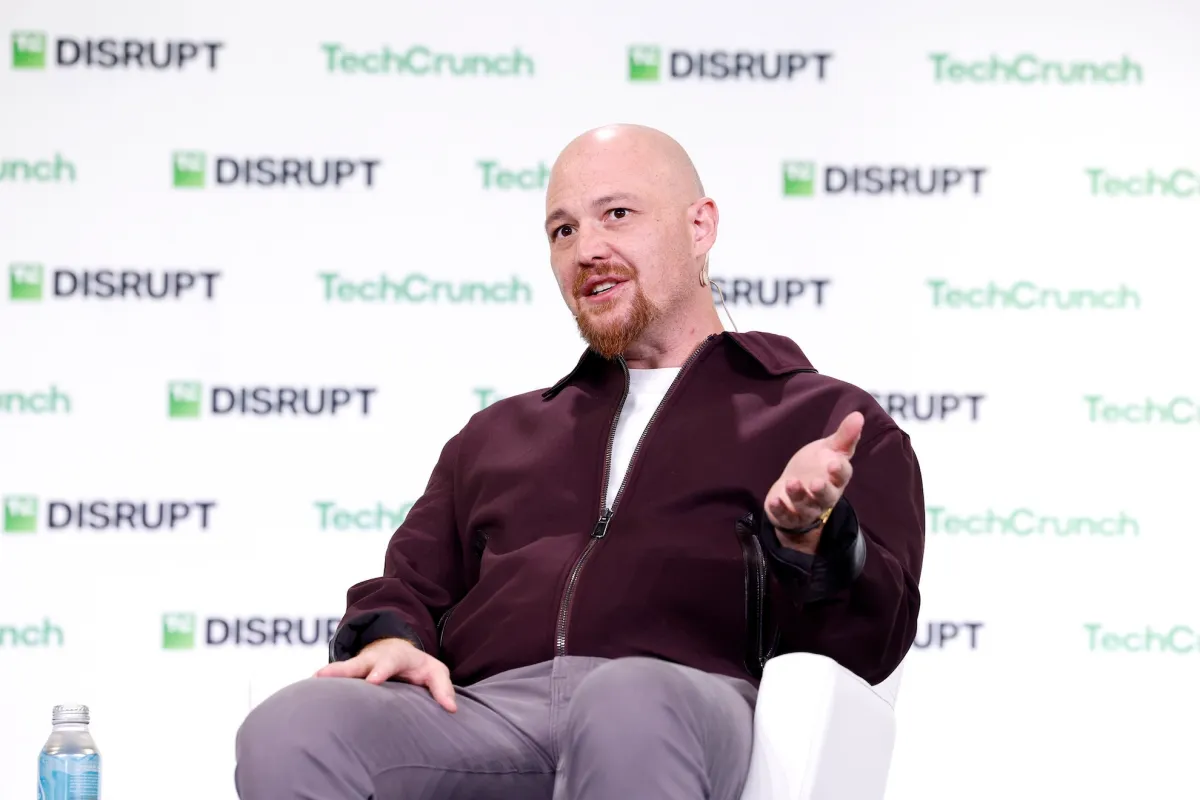
Amjad Masad, chief executive officer and co-founder of AI-powered coding platform Replit, has said that the company is no longer working with AI firm Anthropic. He made the statement while speaking on stage at the TechCrunch Disrupt conference on Thursday. However, several people familiar with the partnership have disputed his claim, creating uncertainty over the current status of the collaboration between the two companies.
Masad said several factors contributed to the decision to stop working with Anthropic, including costs, the nature of the partnership and the performance of artificial intelligence models. According to him, OpenAI’s ChatGPT is currently delivering comparatively better performance.
Replit maintains its own internal benchmark to evaluate the effectiveness of different AI models. The company also publishes public benchmarks. Masad claimed that OpenAI’s Sol and Astra models have performed well from the outset in building applications through automated coding. Taking all factors into consideration, he said Replit had chosen OpenAI as the more suitable partner for the time being.
Replit allows users to build, test and deploy software directly from a browser. Through the cloud-based platform, users can develop various applications without having to work with conventional, complex development environments. Previously, the platform’s AI-powered coding operations were conducted using Anthropic’s Claude models. Various reports have also indicated that the partnership between the two companies played a significant role in increasing Replit’s revenue.
In August this year, Replit announced a partnership with OpenAI. However, the announcement did not clearly indicate that its relationship with Anthropic had come to an end entirely.
Meanwhile, several people familiar with the partnership between Replit and Anthropic have contradicted Masad’s statement. One person, speaking on condition of anonymity, said the collaboration between the two companies was still in place.
Recent information on Replit’s website, blog and social media accounts also provides evidence that Anthropic’s models are still being used. In a Replit blog post published towards the end of September, Claude Fable 5 and Claude Fable 5.1 were identified as models used in the production environment of its agent.
Around the same time, a Replit product development employee said on the social media platform X that the company was using Anthropic’s Opus 5.5 model and praised its capabilities.
TechCrunch has contacted Replit again to seek a clear explanation of the matter. The technology news outlet said it would update the report if the company provided a further statement.
Masad also discussed Replit’s business growth at the conference. According to figures he shared, enterprise customers accounted for just 2 percent of the company’s total revenue last year. This year, that proportion has risen to approximately 15 percent. At the same time, more than 50 percent of the company’s total revenue now comes from business customers.
However, he declined to disclose the company’s precise annual recurring revenue (ARR) at this stage. His remarks made clear that Replit is placing greater emphasis on serving large businesses alongside individual users.
Masad also highlighted the importance of ensuring the safe use of AI technology. In his view, having an advanced model alone is not enough to make AI agents work effectively; an appropriate technological environment is also necessary.
He said that just as people need a suitable working environment, AI agents also require the right infrastructure. This includes systems for coordinating operations, recovering from errors, ensuring security, providing isolated testing environments, managing networks, and handling identity verification and authorisation.
He believes that once these safeguards are in place, AI agents can be deployed more safely and effectively.
Overall, Replit’s choice of AI partners, its growing focus on business customers and its emphasis on safe AI deployment have emerged as important elements of the company’s future strategy in the technology sector. However, conflicting statements about whether its collaboration with Anthropic has actually ended mean that the situation remains unresolved.

প্লিজ লগইন পোস্টে মন্তব্য করুন!
আপনিও পছন্দ করতে পারেন

- Nov 04, 2026
Retired Aircraft Jet Engines Repurposed to Ge...

- Oct 31, 2026
Password Embedded in App Code Put Applebee’s...

- Oct 31, 2026
Nvidia May Guarantee Loans for Anthropic Data...

- Oct 25, 2026