- May 07, 2026
Perplexity AI search removed from Snapchat, $400 million deal canceled
- May 07, 2026
- Technology
Staff Report: PNN
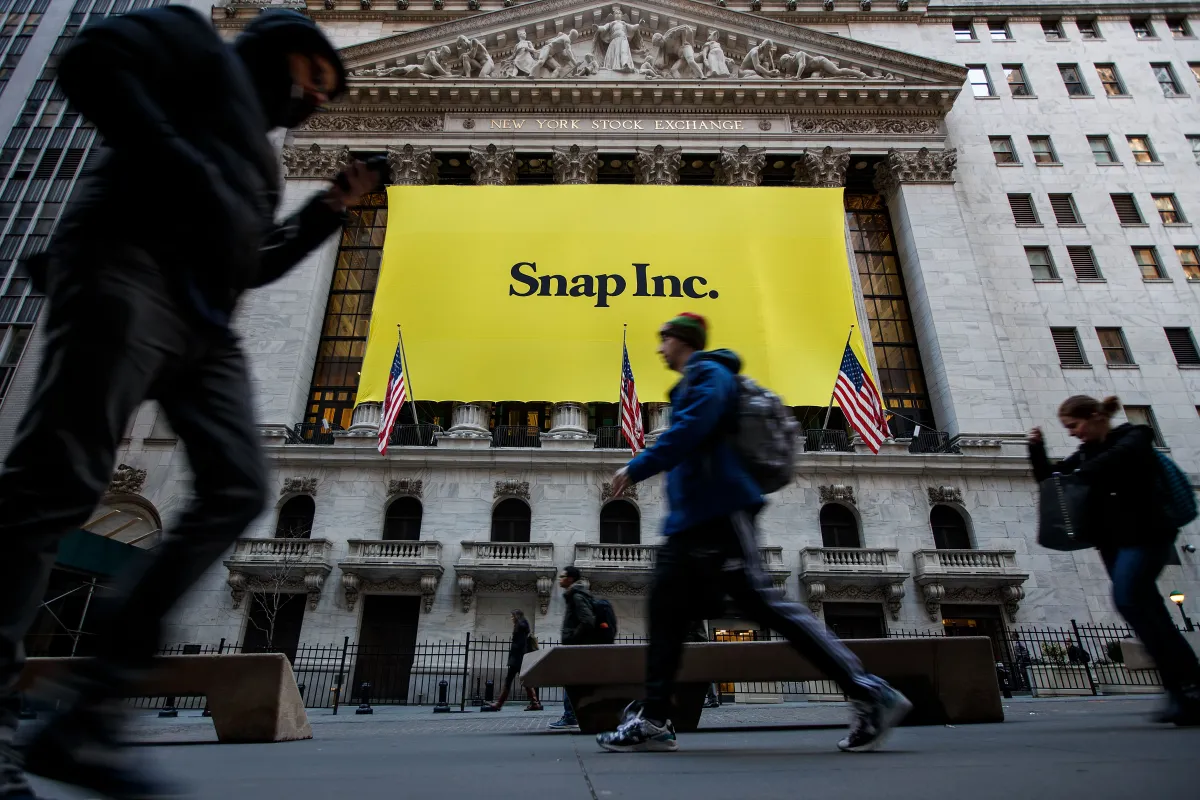
A widely discussed partnership between social media company Snap Inc. and AI-based search startup Perplexity AI has been canceled. Snap confirmed the decision during its quarterly earnings report on Wednesday.
The deal, announced in November last year, aimed to integrate Perplexity’s AI search technology directly into Snapchat. Under the agreement, Perplexity was expected to pay Snap around 400 million dollars in cash and equity over one year.
However, Snap said in its latest report that both companies mutually agreed to end the partnership in the first quarter of this year. As a result, Snap will no longer include any expected future revenue from Perplexity in its financial projections.
According to the proposed plan, Perplexity’s conversational AI search feature was supposed to be integrated into Snapchat’s chat interface, allowing users to ask questions and receive instant answers within the app. The feature had also been tested with a limited group of users.
However, in February Snap stated that the two companies had not yet reached an agreement on a large-scale rollout of the service. That uncertainty is believed to have led to the final cancellation of the deal.
At the time of the announcement, Snap CEO Evan Spiegel said the goal was to create a new content discovery experience in Snapchat through artificial intelligence. Perplexity has not yet issued an official comment on the cancellation.
Meanwhile, in its earnings report, Snap also said Snapchat’s daily active users increased by 5 percent to 483 million in the first quarter of the year. Monthly active users rose to 965 million during the same period.
The company said this growth came from increased usage of new Snapchat features, particularly Snap Map and AR lenses.
CEO Evan Spiegel added that the first quarter showed positive progress in user growth, revenue, and cash flow. He also said the company will continue investing in future smart glasses and AI-powered wearable technologies.
It is worth noting that Snap announced in April that it would lay off about 16 percent of its global workforce. The company said the decision was part of a restructuring process driven by advancements in artificial intelligence.

প্লিজ লগইন পোস্টে মন্তব্য করুন!
আপনিও পছন্দ করতে পারেন
- May 02, 2026
Telemedicine platform Musely receives over $3...
- May 02, 2026
Meta acquires humanoid robotics startup Assur...

- Apr 30, 2026
Meta suffers another major loss in Reality La...
- Apr 30, 2026