- Jul 11, 2026
Over 35 Million at Risk of Severe Food Crisis in Northern Nigeria: WFP Warning
- Nov 25, 2025
- International
International Desk: PNN
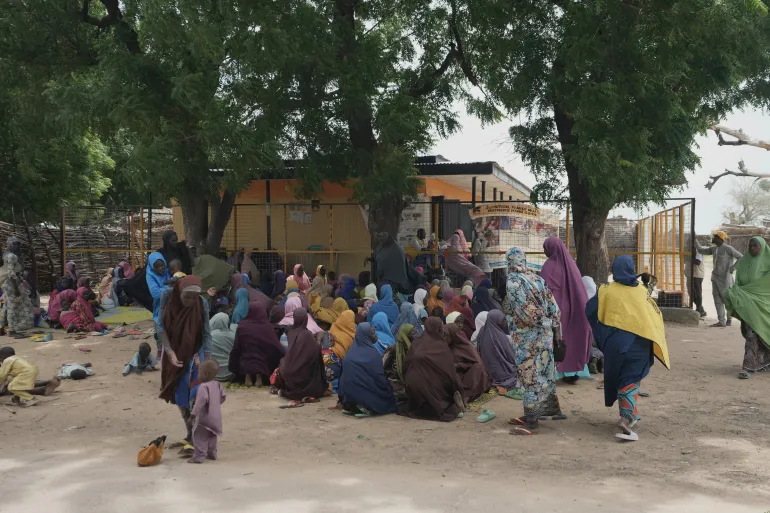
The United Nations World Food Programme (WFP) has warned that over 35 million people in northern Nigeria are at risk of a severe food crisis due to armed violence, political instability, and reduced international aid. The WFP report, released on Tuesday, states that the crisis could reach catastrophic levels between May and September 2026.
According to WFP, this represents the highest forecast of food insecurity in Nigeria’s history. Borno state is the most vulnerable, where ongoing armed insurgency and attacks could expose at least 15,000 people to “severe famine or famine-like conditions.”
Malnutrition rates have sharply increased in Borno, Sokoto, Yobe, and Zamfara. Over six million people in the agricultural regions of Borno, Adamawa, and Yobe lack access to minimal food supplies.
David Stevenson, WFP’s country director in Nigeria, said, “Rising violence is not only threatening stability, it is creating a major crisis for regional security. Rural communities are struggling to survive amid repeated attacks and economic pressures.”
Alongside Boko Haram’s long-running violence, organized armed gangs in central and northwestern Nigeria have increased their activities, including village seizures, killings, looting, and kidnappings for ransom.
In the past week, three major abductions occurred in Nigeria: 303 children and 12 teachers were kidnapped from St. Mary’s Catholic School in Niger State, 25 Muslim female students were abducted in neighboring Kebbi State, and 38 churchgoers were taken during an online religious event in a church in Kwara State.
Due to financial constraints, WFP had to reduce its nutrition assistance program in July 2025, directly affecting over 300,000 children, with malnutrition rates escalating from “serious” to “critical.”
The United States, the WFP’s largest donor, reduced humanitarian aid under the Donald Trump administration, raising concerns that emergency food program funding may face shortages by December. Experts warn that if the current situation persists, the food crisis in northern Nigeria could trigger a continent-wide humanitarian disaster.

প্লিজ লগইন পোস্টে মন্তব্য করুন!
আপনিও পছন্দ করতে পারেন
- Jul 11, 2026
Cuba Plunged Into Darkness Again as Nationwid...

- Jul 11, 2026
Ceasefire Ends, But Talks Remain Open: Trump...

- Jul 06, 2026
Millions Attend Funeral of Khamenei Amid Abse...

- Jul 06, 2026