- Apr 04, 2026
Mutual Talks and Rising Tension: U.S.-Iran Nuclear Negotiations Progress in Geneva
- Feb 18, 2026
- International
International Desk: PNN
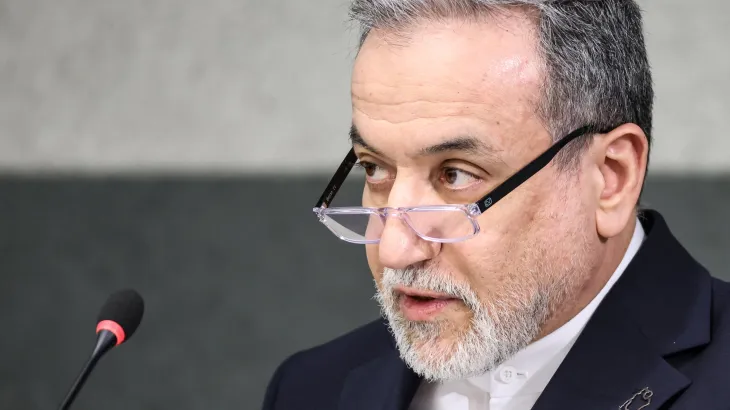
Iranian Foreign Minister Abbas Araghchi has stated that there has been “good progress” in Iran’s mediated nuclear talks with the United States. The meeting in Geneva on Tuesday was mediated by Oman. However, Washington cautioned that a military option remains on the table if diplomacy fails.
Araghchi said, “We have been able to agree on a comprehensive policy-level deal, which will serve as the basis for drafting a potential future agreement. Compared to previous meetings in Oman, this round has seen better progress.” He also noted that many issues between the two countries remain pending resolution, and once a draft agreement is prepared, the next round of talks will be scheduled.
In Washington, U.S. Vice President JD Vance stated, “In some areas, the talks have gone smoothly; they have also agreed to meet again. However, it is clear that the President has drawn specific red lines that Iran is not yet ready to accept.”
Amid these discussions, both sides are increasing their military presence. The United States has deployed two aircraft carriers in the region. USS Abraham Lincoln is positioned approximately 700 kilometers away, with at least a dozen F‑35 and F‑18 aircraft within strike range. Simultaneously, Iran has demonstrated its capabilities through military exercises in the Strait of Hormuz.
Iran’s Supreme Leader Ayatollah Khamenei warned on Tuesday that the country has the capability to sink U.S. aircraft carriers. Tehran also stated that its missile capabilities will remain outside the scope of negotiations.
Iran has indicated that it seeks economic benefits through a nuclear agreement, but uranium enrichment and national sovereignty remain essential. The U.S. demands that Iran halt uranium enrichment on its soil and expand the negotiation agenda beyond nuclear issues to include missiles and regional activities.
Analysts believe that progress on nuclear issues is possible since Iran’s nuclear activities are largely constrained. However, Iran is unlikely to make significant concessions on regional activities or missile programs.
Iranian President Masoud Pezheshkian stated, “Iran does not intend to produce nuclear weapons. However, it seeks to use science and technology to advance in industry, agriculture, and medicine.”
Meanwhile, military tension continues in the Gulf alongside the Geneva talks, potentially affecting international oil supply and the geopolitical situation.

প্লিজ লগইন পোস্টে মন্তব্য করুন!
আপনিও পছন্দ করতে পারেন
- Apr 04, 2026
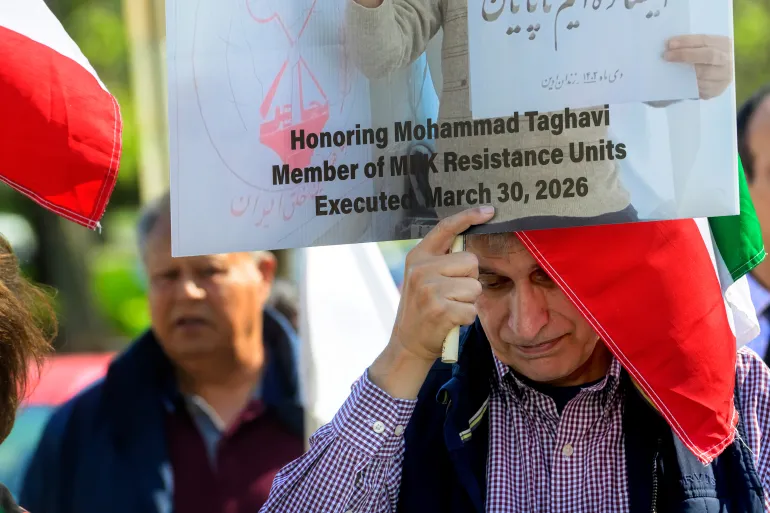
Iran executes two opposition group members; o...
- Apr 04, 2026
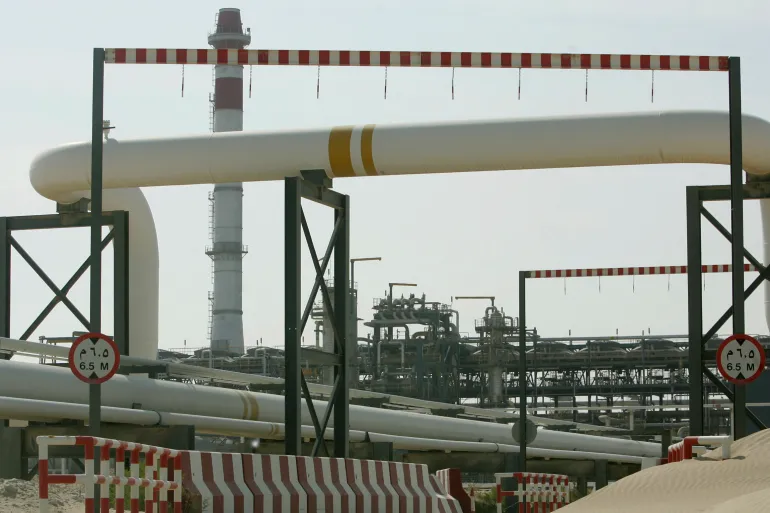
Fire at gas facility in UAE, 1 dead
- Apr 03, 2026
Israel’s Attacks in Lebanon Devastate Healthc...
- Apr 03, 2026