- Jul 15, 2026
Meta to Build 5-Gigawatt AI Data Center: A New Dimension in the Artificial Intelligence Race
- Jul 15, 2025
- Technology
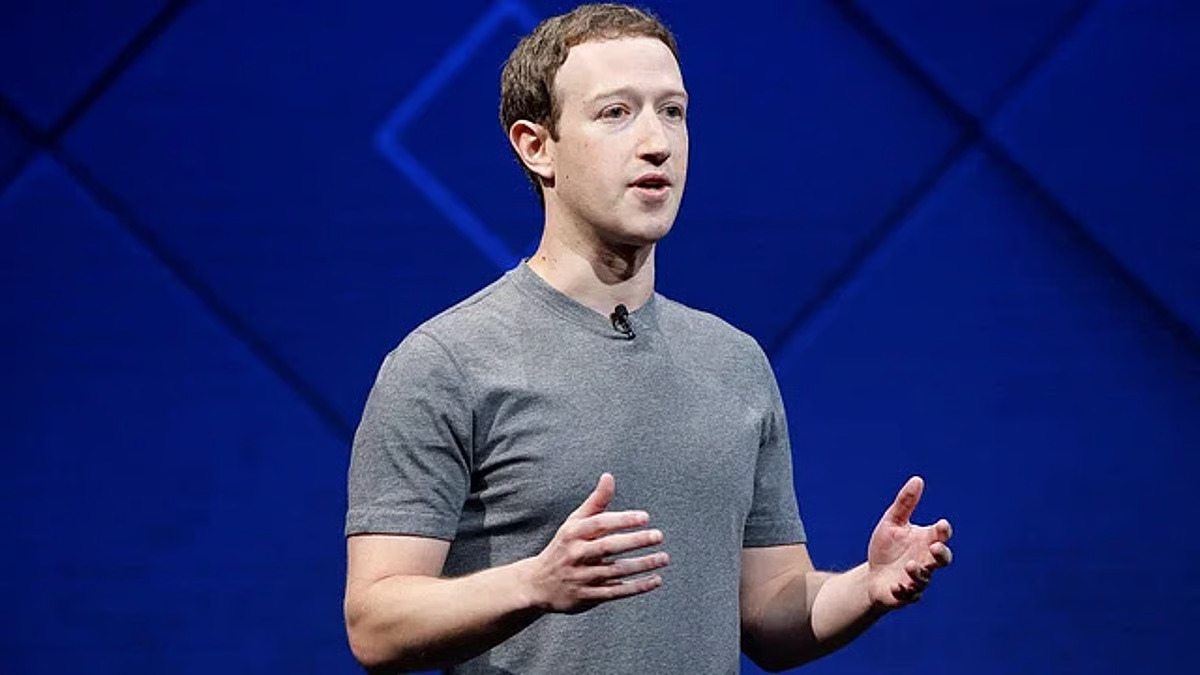
To strengthen its position in the artificial intelligence (AI) race, Mark Zuckerberg, CEO of Meta Platforms Inc., has announced plans to build a massive 5-gigawatt AI data center. Known as "Hyperion," this data center will provide the immense computational power required for Meta's new AI lab, Zuckerberg stated in a Threads post on Monday.
This announcement marks Meta's latest strategic move to stay ahead of rivals like OpenAI and Google. Meta had previously attracted top talent by hiring former Scale AI CEO Alexandr Wang and former Safe Superintelligence CEO Daniel Gross to lead its Meta Superintelligence Lab. Now, it appears Meta is focusing on the enormous computational power needed to train cutting-edge AI models.
Zuckerberg noted that Hyperion's footprint would be vast, comparable to covering most of Manhattan. Meta spokesperson Ashley Gabriel told TechCrunch via email that Hyperion would be located in Louisiana, likely in Richland Parish, where Meta had previously announced a $10 billion data center development. Gabriel stated that Meta plans to bring 2 gigawatts of data center capacity online through Hyperion by 2030, with plans to expand it to 5 gigawatts within a few years.
Zuckerberg also mentioned that Meta plans to launch a 1-gigawatt supercluster named Prometheus by 2026, which would make it one of the first tech companies to control an AI data center of this size. Gabriel confirmed that Prometheus is located in New Albany, Ohio.
Meta's AI data center construction efforts will likely make the company more competitive in training and distributing leading AI models against OpenAI, Google DeepMind, and Anthropic. These efforts may also help Meta attract additional talent, who might be drawn to work for a company with the computational capacity to compete in the AI race.
Prometheus and Hyperion combined will consume enough power to supply millions of homes, potentially drawing significant amounts of electricity and water from neighboring communities. According to a Monday report from The New York Times, a Meta data center project in Newton County, Georgia, has already cut off water supply to some residents' homes.
Other AI data center projects could also create similar problems for people living nearby. According to a Bloomberg report, AI hyperscaler CoreWeave is planning a data center expansion that could double the power demand of a city near Dallas, Texas.
Nevertheless, tech companies remain determined to build massive data center projects to fulfill their AI ambitions. Other notable efforts include OpenAI's Stargate project with Oracle and SoftBank, and xAI's Colossus supercomputer.
The Trump administration has broadly supported the tech industry's AI data center construction. President Donald Trump assisted in the announcement of OpenAI's Stargate project and has since spoken about efforts to expand America's AI infrastructure.
In a column published in The Economist on Monday, US Energy Secretary Chris Wright called on the United States to lead the "next major energy-intensive frontier: artificial intelligence." He noted that AI transforms electricity into "the most valuable output imaginable: intelligence," and that the federal government would accelerate the production of energy generated from coal, nuclear, geothermal, and natural gas.
With the help of federal officials, the AI industry appears poised to consume vast amounts of America's energy in the coming years. Experts estimate that data centers could account for 20% of America's energy use by 2030, up from just 2.5% in 2022. Without rapidly increasing energy production, this could create more problems for communities.

প্লিজ লগইন পোস্টে মন্তব্য করুন!
আপনিও পছন্দ করতে পারেন

- Jul 15, 2026
OpenAI Developing AI Smart Speaker, Bringing...

- Jul 11, 2026
SK Hynix Makes History in New York, Raises $2...

- Jul 11, 2026
Legal Complications Surround $110 Billion Par...

- Jul 06, 2026