- Jun 20, 2026
LC openings reach USD 6.3 billion in September — a 17.29% rise compared to August
- Oct 15, 2025
- Business
Staff Reporter | PNN:
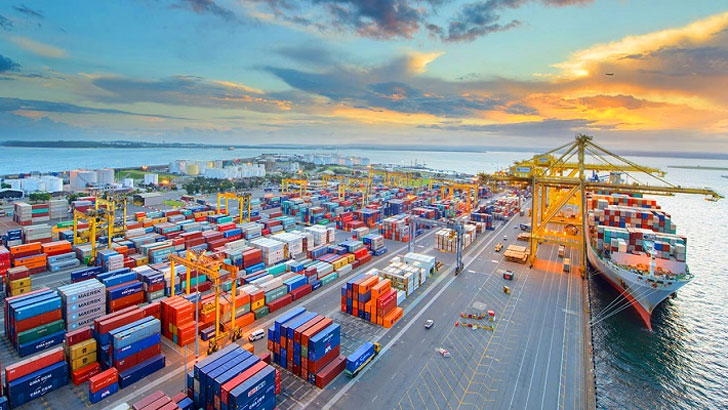
In September 2025, the total amount of Letters of Credit (LCs) opened in Bangladesh reached USD 6.3 billion, marking a 17.29% increase compared to August, according to the Bangladesh Bank’s Monthly Economic Indicators Report.
The report stated that importers opened USD 5.38 billion worth of LCs in August 2025. Although the rise in LC openings in September signals a rebound in import activities after eight months, it is still lower than January 2025, when LC openings amounted to USD 6.84 billion.
A senior official of Bangladesh Bank said that LC openings were relatively low during August 2025 and September 2024. However, the recent surge primarily came from consumer goods, food items, raw materials, and government fertilizer imports. He further added that to keep the economy fully functional, Bangladesh needs an additional USD 2 billion in monthly imports.
Recently, in a meeting with owners of the country’s top 20 business conglomerates, Bangladesh Bank Governor Ahsan H. Mansur instructed banks to open sufficient LCs to ensure an adequate supply of essential goods before Ramadan. He also assured sufficient foreign currency support to meet business demand.
As part of the central bank’s monetary policy for FY2024–25, the goal for the first half of the fiscal year (July–December) is to keep private sector credit growth below 8% to control inflation. However, lending rates have not been reduced. Bankers noted that although dollar liquidity in the market has improved, imports of capital machinery have declined, and most LCs are now being opened for essential goods.
Political uncertainty continues to discourage new investments, while banks remain cautious in lending. As a result, private sector credit growth fell to 6% in August, continuing a year-long downward trend. In July, the growth rate hit the lowest point in a decade.
On a positive note, remittance inflows and export earnings have increased significantly compared to the previous year. Consequently, banks now hold more foreign currency reserves, enabling them to open more import LCs.

প্লিজ লগইন পোস্টে মন্তব্য করুন!
আপনিও পছন্দ করতে পারেন
- Jun 20, 2026
NBR says bond facility misuse continues despi...

- Jun 20, 2026
Four modern quay cranes arrive at Chattogram...

- Jun 18, 2026
ACI launches new tech-driven property service...

- Jun 18, 2026