- May 09, 2026
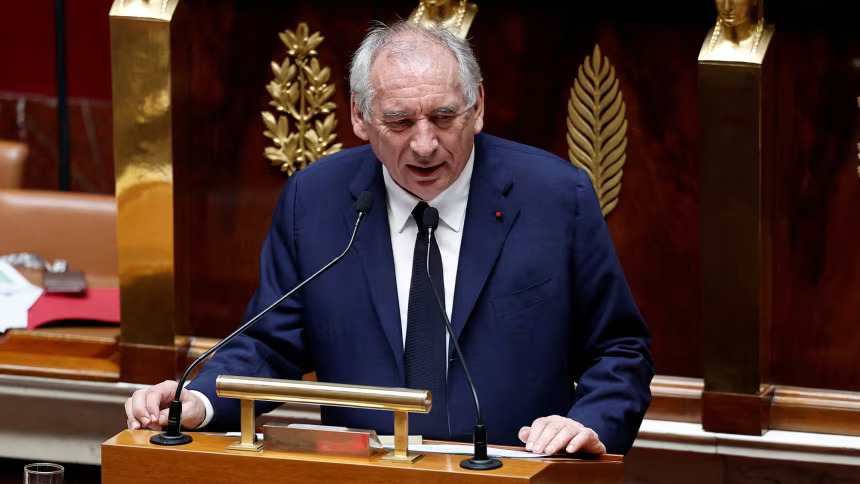
France’s Prime Minister François Bayrou ousted in parliamentary no-confidence vote, new political deadlock emerges
- Sep 09, 2025
- International
International Desk | PNN
French Prime Minister François Bayrou lost his position after just nine months in office. On Monday, a no-confidence vote in Parliament saw 364 votes against him, far exceeding the 280 votes required to topple the government. Only 194 lawmakers voted in support.
Bayrou himself called the no-confidence vote while attempting to pass an unpopular €44 billion austerity plan. The plan included proposals to cancel two public holidays and suspend certain government spending, which a large number of lawmakers rejected.
With Bayrou’s ousting, France has once again entered a political crisis. His predecessor, Michel Barnier, had similarly been removed through a no-confidence vote last December.
In a statement from the Élysée Palace, it was announced that President Emmanuel Macron will appoint a new Prime Minister in the coming days. However, with three successive centrist Prime Ministers failing, Macron now has fewer viable alternatives. Opposition parties have also indicated that if another centrist is appointed, they will immediately propose another no-confidence motion.
Economic instability is rising amid political uncertainty. French government bond yields have surpassed those of Spain, Portugal, and Greece, countries that were once at the center of the Eurozone debt crisis. If France’s credit rating is downgraded this Friday, the economy could face further setbacks.
Before the vote, Bayrou told lawmakers, “You can remove the government, but you cannot erase reality. Spending will continue to rise, and the debt burden will only grow heavier.”
Meanwhile, left-wing political parties have announced nationwide protests on Wednesday, and labor unions have scheduled new actions starting September 18.
This political instability in France comes at a time when conflicts in Ukraine and the Middle East are posing major challenges for Europe. Analysts believe the unrest in Paris may provide a political advantage to Russian President Vladimir Putin and former U.S. President Donald Trump.

প্লিজ লগইন পোস্টে মন্তব্য করুন!
আপনিও পছন্দ করতে পারেন


- May 08, 2026
Tensions rise again in Strait of Hormuz amid...
- May 08, 2026
UK local elections: Labour under pressure as...

- May 08, 2026
Fuel price hike in Yemen increases pressure o...

- May 07, 2026