- Apr 19, 2026
Elon Musk’s Multiple Ventures: Technology, Political Influence, and Conglomerate Potential
- Feb 02, 2026
- Technology
Staff Report: PNN
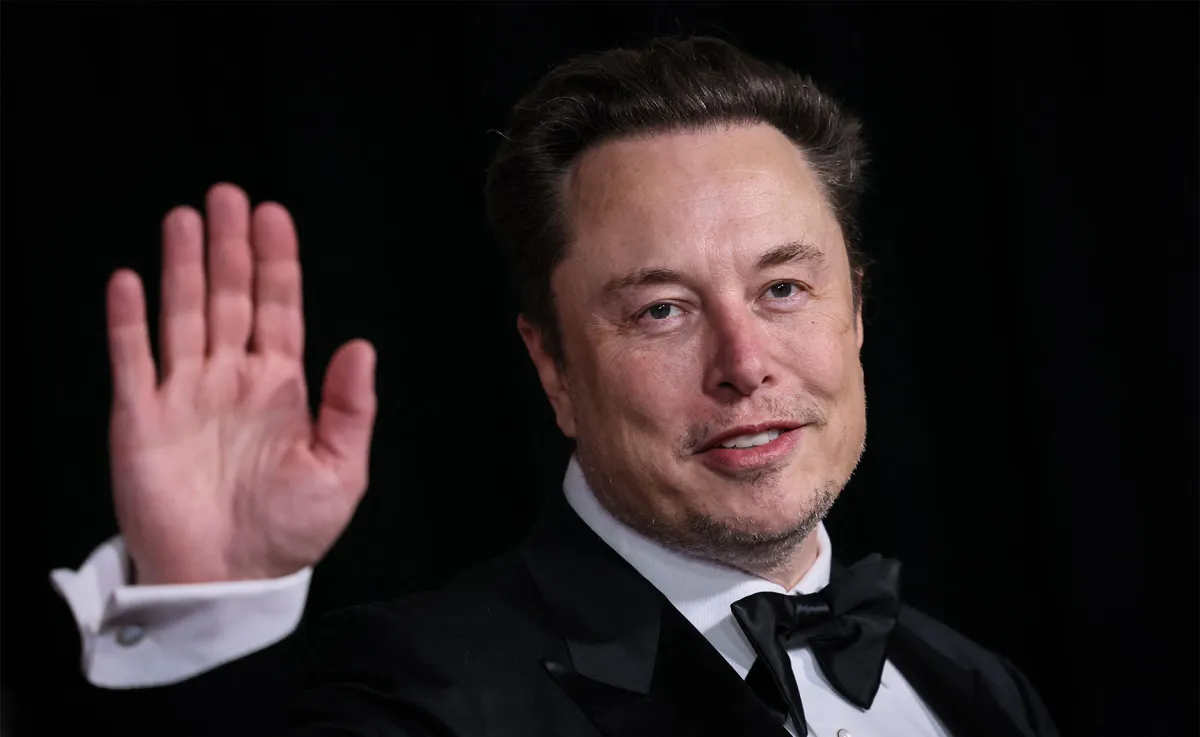
Space, energy, health, artificial intelligence, communications, transport, and media—when such diverse sectors converge under one individual, one might think of General Electric (GE). But in the current reality, the center of this vast empire is one person—Elon Musk.
Tesla, SpaceX, xAI, Neuralink, The Boring Company, and social media platform X (formerly Twitter)—combined, Musk-controlled companies have become one of the most powerful conglomerates in the global economy and technology sector.
Added to this are Starlink, neural implants, underground tunneling projects, and even personal investments in reproductive research. Analysts believe Musk is slowly moving to integrate these companies into a large conglomerate structure. Recent rumors of integration between SpaceX, Tesla, and xAI indicate this direction.
Historically, Musk has often been compared to Henry Ford, while some economists and business analysts compare him to John D. Rockefeller or Jack Welch. Especially, Welch transformed GE from a weak industrial company into a massive conglomerate, a strategy some experts see reflected in Musk’s approach.
Musk’s personal net worth is now around 800 billion dollars, exceeding the market value of most companies in the S&P 500. Due to this immense wealth and influence, the distinction between Musk as an individual and his companies is increasingly blurred.
Currently, Tesla works in electric vehicles and energy storage, SpaceX in space and satellite internet, xAI in artificial intelligence, Neuralink in human-brain interfaces, and The Boring Company in urban transportation. Recently, technology and investment exchanges between these companies have increased, suggesting potential future integration.
According to Harvard Business School professor David Yoffie, Musk’s strategy resembles the “Gilded Age” more than GE’s earlier model. At that time, industrialists like J.P. Morgan or Rockefeller used enormous wealth and weak controls to dominate multiple sectors. Yoffie said, “This is not just business—it’s a story of power and influence.”
However, there are differences. During the Gilded Age, regulation was nearly absent, whereas today the world is comparatively tightly regulated. Although in recent years some countries have relaxed regulations, concerns about large corporate power growth have increased.
Political influence is also an important aspect of Musk’s empire. Discussions have emerged regarding his large expenditures in election influence across the U.S. History shows that industrialists’ power was once limited by public pressure and oversight.
Analysts note that if Musk truly integrates his multiple companies, a new era of large conglomerates could return to the U.S., even though modern investors usually prefer specialized companies. Economically, conglomerates also carry “value discount” risks.
Ultimately, the question remains: Will Elon Musk become the most powerful industrialist of the modern era, or will his vast empire eventually face limits due to regulation and public opinion? Only time will tell.

প্লিজ লগইন পোস্টে মন্তব্য করুন!
আপনিও পছন্দ করতে পারেন
- Apr 19, 2026
App market not slowing even in AI era, record...

- Apr 16, 2026
OpenAI introduces new features for agentic AI...

- Apr 16, 2026
Live Nation found guilty of monopolistic busi...

- Apr 15, 2026