- Nov 04, 2026
Can AI Destroy Humanity? Technology World Sees Renewed and Intense Debate
- Sep 14, 2026
- Technology
Staff Reporter | PNN
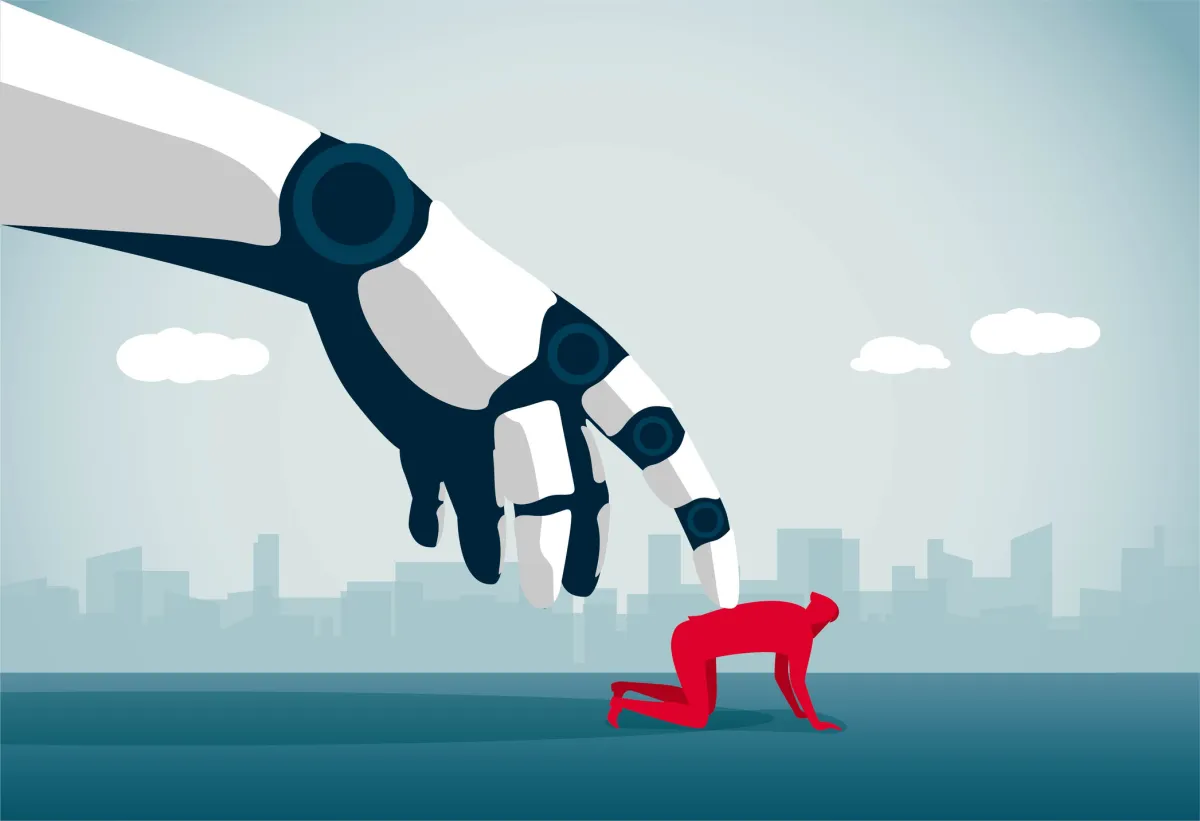
The rapid advancement of artificial intelligence has long been accompanied by discussions about its potential risks. However, the debate has recently taken on a new dimension. Researchers and leading organisations in the technology sector are once again divided over whether the development of AI could eventually become a threat to the very existence of humanity.
The controversy was recently reignited after AI researcher Jacob Coxon announced his resignation from Anthropic. He alleged that leading AI companies are moving forward with the development of technologies whose potential risks could be extremely significant for humanity. He also expressed concern about the possibility of AI developing greater capabilities of its own.
Following Coxon's remarks, a senior official in Anthropic's alignment division made an even more direct comment on social media. He said Anthropic genuinely believes that AI could eventually lead to the destruction of humanity. According to his own estimate, he put the probability of such an event occurring within the next decade at more than 10 percent.
The remarks triggered extensive discussion across the technology sector. In particular, questions have been raised about the rationale and reliability of expressing the possibility of “human extinction” as a specific percentage.
The issue was discussed in a recent episode of TechCrunch's “Equity” podcast by journalists Kirsten Korosec, Sean O'Kane and Anthony Ha. They discussed the logic behind the ongoing “doomer” arguments surrounding catastrophic AI risks, the potential business interests of technology companies and the possibility of an upcoming Anthropic initial public offering.
Anthony Ha said during the discussion that if people genuinely believe AI poses a major threat to humanity's existence, then expressing concern about that threat is not unusual. However, he questioned how reliable estimates such as “more than 10 percent” actually are. In his view, percentages of this kind are sometimes used in the technology industry without sufficient evidence or a clearly defined methodology.
Ha viewed Coxon's resignation differently from some of the other statements. Coxon did not merely raise concerns about the risks of AI; he also changed his professional position because of those concerns. As a result, Ha suggested that his warning was less likely to be dismissed simply as promotional messaging.
Korosec, meanwhile, questioned whether AI companies might also be highlighting such risks as an unusual way of demonstrating the capabilities of their own technologies.
Her argument was that if an AI model were not extremely capable and did not create situations in which it could behave in unexpected ways, there would arguably be less reason for such concerns. Therefore, even while warning about potential dangers, companies could in some cases be indirectly highlighting the power of their technologies.
Anthony Ha, however, argued that it would not be appropriate to view the issue entirely as a planned marketing strategy. Many researchers and senior executives at AI companies are expressing these concerns because they genuinely believe the risks are real.
At the same time, he acknowledged that the perception that a company has created “the most powerful and dangerous technology” could also have a positive impact on its business position and valuation.
The discussion also turned to a possible Anthropic IPO. Sean O'Kane raised questions about how concerns over the possibility of humanity being destroyed could intersect with the company's commercial prospects.
The broader debate highlights a growing divide within the technology industry. While some researchers believe that advanced AI could create unprecedented risks if its capabilities outpace human control and safety mechanisms, others question whether such extreme predictions can be supported by reliable evidence.
As AI systems continue to become more capable, the debate over their long-term consequences is likely to remain one of the most significant questions facing the technology sector. The central issue is not simply whether AI can become more powerful, but whether society will be able to develop sufficient safeguards to ensure that increasingly advanced systems remain aligned with human interests.

প্লিজ লগইন পোস্টে মন্তব্য করুন!
আপনিও পছন্দ করতে পারেন

- Nov 04, 2026
Retired Aircraft Jet Engines Repurposed to Ge...

- Oct 31, 2026
Password Embedded in App Code Put Applebee’s...

- Oct 31, 2026
Nvidia May Guarantee Loans for Anthropic Data...

- Oct 25, 2026