- Jul 15, 2026
‘Buy-Now-Pay-Later’ (BNPL) Debt Rising in the US: Concerns over Subprime Consumers
- Nov 17, 2025
- Technology
Staff Report: PNN
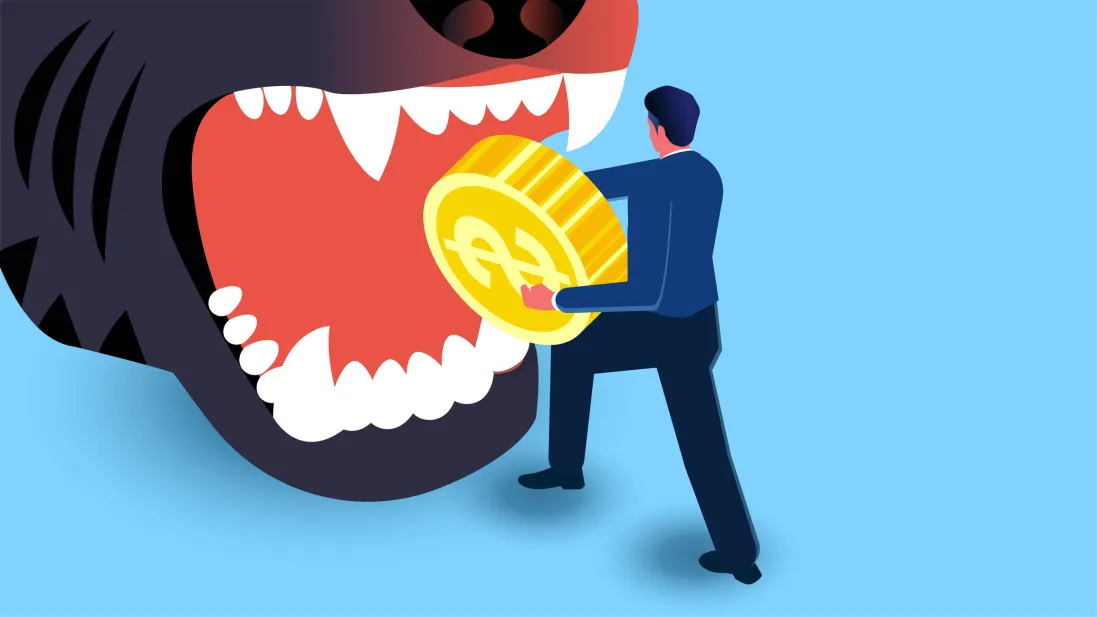
Nigel Morris, an investor long focused on US subprime lending, has recently warned that BNPL (Buy-Now-Pay-Later) usage is increasingly spreading to purchases of everyday essentials. Morris said, “If people are using this service for basic groceries, it indicates financial distress for many.”
Recent surveys show that about 91.5 million Americans use BNPL, with 25% using it to purchase essential food items. Delays in repayment are also increasing. In 2025, 42% of users made at least one late payment, up from 39% in 2024 and 34% in 2023.
A serious issue is that most BNPL loans do not appear on credit reports, creating “phantom debt.” Other lenders may not know a person has multiple simultaneous BNPL loans. Morris explained, “If I’m a BNPL provider and I don’t check or report credit data, I have no idea if someone has taken ten loans in a week.”
In 2022, about two-thirds of BNPL users had low credit scores, and 78% of subprime or deep-subprime applicants had their loans approved. The rate of multiple loans per user is also rising, increasing long-term risk.
Morris warned that BNPL affects not only consumer debt but the entire fintech ecosystem, as users prioritize repaying small BNPL loans over larger obligations like credit cards, auto loans, or student loans, which may default.
He added, “BNPL businesses often hinder users from improving credit scores because their business model profits more when users are financially constrained.”
B2B BNPL is also growing rapidly. Using BNPL for business loans increases costs by 40%. While this may seem beneficial for businesses, the rapid increase in debt could create a market for risky loans, reminiscent of the 2008 subprime mortgage crisis.
Morris concluded, “The current situation is not yet a crisis. But phantom debt, high unemployment, the end of student loan moratoriums, and policy gaps together could cause problems to escalate quickly.”
In summary, rising BNPL debt is increasing financial stress for subprime consumers and could become a major challenge for the US economy, while regulators have yet to take sufficient action.
প্লিজ লগইন পোস্টে মন্তব্য করুন!
আপনিও পছন্দ করতে পারেন
- Jul 15, 2026
OpenAI Developing AI Smart Speaker, Bringing...

- Jul 11, 2026
SK Hynix Makes History in New York, Raises $2...

- Jul 11, 2026
Legal Complications Surround $110 Billion Par...

- Jul 06, 2026