- Jul 11, 2026
Apple's $500 Million Investment: Bolstering Rare Earth Supply Chain in the US Amid iPhone Manufacturing Push
- Jul 16, 2025
- Technology
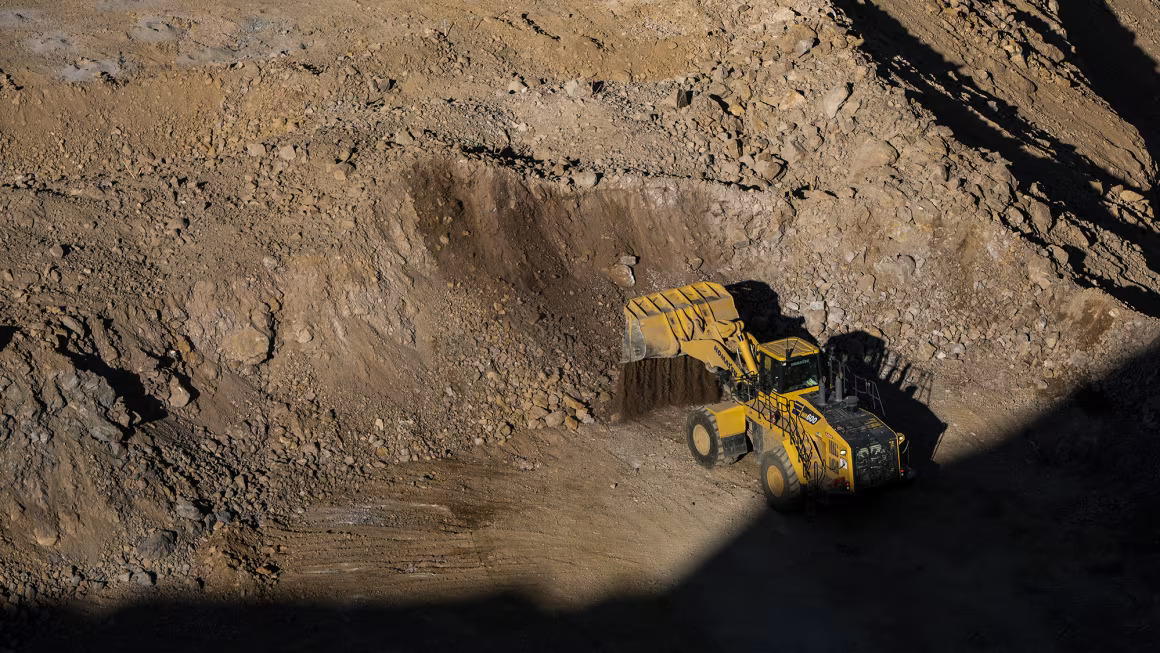
iPhone maker Apple has inked a significant $500 million deal with US rare earth company MP Materials. This crucial move comes amidst escalating pressure from President Donald Trump to manufacture the popular smartphone domestically.
As part of the partnership, announced Tuesday, Apple will directly purchase rare earth magnets from MP Materials, thereby strengthening Apple's US supply chain. Furthermore, Apple will collaborate with MP Materials on a new recycling line in California. This line will process recycled rare earth materials to be reused in Apple's products.
This initiative is part of Apple's broader $500 billion investment announced earlier this year for expanding its US operations. The Trump administration has been vehemently pushing for technology production to return to the US and reduce reliance on China. Rare earth elements, essential for everything from smartphones and televisions to military jets, have become a key bargaining chip in trade discussions between Washington and Beijing, primarily because China controls nearly all rare earth processing.
Apple CEO Tim Cook stated in a press release, "American innovation drives everything Apple does, and we are proud to deepen our investment in the U.S. economy. Rare earths are critical for building advanced technology, and this partnership will help strengthen the supply of these vital materials in the United States."
A new magnet production line specifically for Apple products will be established at MP Materials' facility in Fort Worth, Texas. According to MP Materials, product deliveries will begin in 2027 and will support hundreds of millions of Apple devices. These materials will be supplied to various locations across the U.S. and globally.
Apple has indicated that this expansion will create dozens of new jobs. Both companies will also provide necessary training to build a skilled US workforce for magnet manufacturing.
China maintains a virtual monopoly over rare earth elements, which are crucial for everyday products like smartphones, wind turbines, LED lights, and flat-screen TVs. They are also indispensable for electric vehicle batteries, MRI scanners, and cancer treatments.
The name "rare earth" is somewhat misleading; these materials are found throughout the Earth's crust, but extracting and processing them is challenging and expensive. Only China possesses the necessary equipment to process the various elements, and currently controls 92% of global processing.
While this deal with MP Materials helps Apple gain favor with the Trump administration amidst tariff threats, it also aligns with Apple's efforts to incorporate more recycled materials into its products – a plan that was in effect long before Trump took office.
For instance, the iPhone 16e, launched earlier this year, uses 30 percent recycled materials. Apple has stated that it uses recycled rare earths in its key products, including magnets in the latest iPhone, iPad, Apple Watch, MacBook, and Mac models.
The Trump administration has been pressuring Apple and other tech giants to manufacture their products in the US, aiming to reduce reliance on assembly facilities and supply chain operations located in China, India, and Vietnam.
In May, Trump posted on Truth Social, "I've told Apple's Tim Cook for a long time that I hope their iPhones sold in the USA will be made in the USA, not in India or anywhere else." He added, "If not, Apple will have to pay the U.S. at least 25% tariffs."
Apple has not discussed any plans to relocate iPhone production to the US, and such a move is unlikely. It would require the tech giant to completely overhaul its highly profitable manufacturing methods.
Crucially, the collaboration between Apple and MP Materials involves developing the skilled workforce necessary for magnet production. Experts say this is also a reason why shifting iPhone production to the US is so challenging – America lacks the highly specialized laborers required for such complex manufacturing.
David Marcotte, Senior Vice President at Cantar, an international market research firm, previously stated, "The expertise to make every component is built up over a long period of work."
Cook has also spoken about the labor gap in the past, describing China's workforce in a 2017 Fortune magazine event as a combination of "craftsmanship," "advanced robotics," and a "computer science world."
However, this commitment to sourcing rare earths from US origins will likely please Trump. The President has previously touted Apple's investment announcements as a victory for his efforts to boost American manufacturing.
Apple is one of many tech giants that have expanded their American operations in recent months. In June, Texas Instruments committed $60 billion to semiconductor manufacturing in the US, and Taiwanese chip-making giant TSMC invested $100 billion in US production in March. Leading AI chipmaker Nvidia also stated in April that they would manufacture their supercomputers in the US.
Source: CNN

প্লিজ লগইন পোস্টে মন্তব্য করুন!
আপনিও পছন্দ করতে পারেন

- Jul 11, 2026
Legal Complications Surround $110 Billion Par...

- Jul 06, 2026
Surge in Investment in Humanoid Robotics as A...

- Jul 06, 2026
Amazon Mechanical Turk to Stop Accepting New...
- Jul 03, 2026