- Jun 27, 2026
Apple to Use Direct Voice or Text Commands for Apps, Reducing Tapping
- Oct 13, 2025
- Technology
Staf Repoter: PNN
This week, OpenAI announced that users can now run apps directly within ChatGPT. This allows users to book travel, create playlists, and edit designs without switching between different apps. Many have called it a future app platform, where in a ChatGPT-powered world, the influence of the Apple Store might diminish.
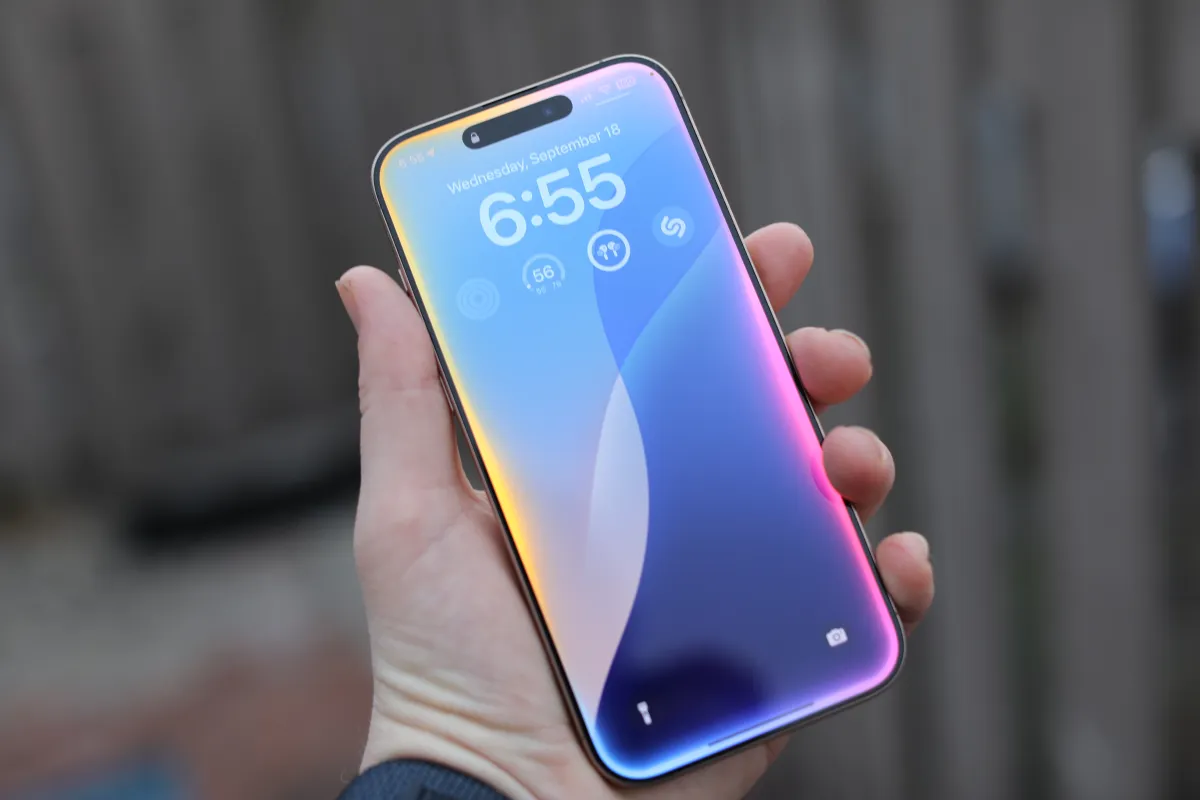
On the other hand, Apple is also advancing towards AI-enabled computing systems by enhancing Siri. Though it comes a bit late, the global presence of 1.5 billion iPhone users and Apple’s control over both hardware and operating systems may make it effective. The new Siri will simplify users’ app usage habits on their phones, with less tapping and more conversational interactions.
Users can now directly ask AI assistants for information, instead of using Google search or single-purpose apps. Through smart speakers or Bluetooth headphones, they can play music or get business information.
However, for ChatGPT’s app system, users will have to use a chatbot-style interface to access apps. They will need to specify commands or names for each app, which may require some learning and could initially cause problems.
Apple’s new plan will allow users to access apps without app icons. Through Siri, users will be able to control app activities using voice or text commands. Siri will be effective for areas like notes, media, messaging, payments, restaurant reservations, VoIP calls, and workouts.
Apple is working to make the user experience more seamless through its app intent framework and iPhone developer tools. Users will be able to use app menu items, text, or other features directly via Siri.
ChatGPT’s app system is still limited, and users can only work with a select few apps like Booking.com, Spotify, Figma, etc. In contrast, Apple can ensure convenience and security for users through its own hardware, operating system, and app store.
Finally, if ChatGPT fails to change users’ habits, Apple may be able to retain users through its iPhone and Siri system.

প্লিজ লগইন পোস্টে মন্তব্য করুন!
আপনিও পছন্দ করতে পারেন

- Jun 27, 2026
OpenAI Faces Debate After Limited Release of...

- Jun 20, 2026
U.S. imposes restrictions on export of advanc...

- Jun 20, 2026
New risk in digital wallets as card provision...

- Jun 18, 2026