- Jun 27, 2026
Renewed U.S.–Iran Tensions in the Strait of Hormuz After Ceasefire Breakdown
- Jun 27, 2026
- International
International Desk: PNN
New tensions have erupted in the Gulf region following reciprocal military strikes between the United States and Iran. Questions are now being raised about the durability of the recent ceasefire, as repeated attacks and counterattacks raise fears of escalating conflict.
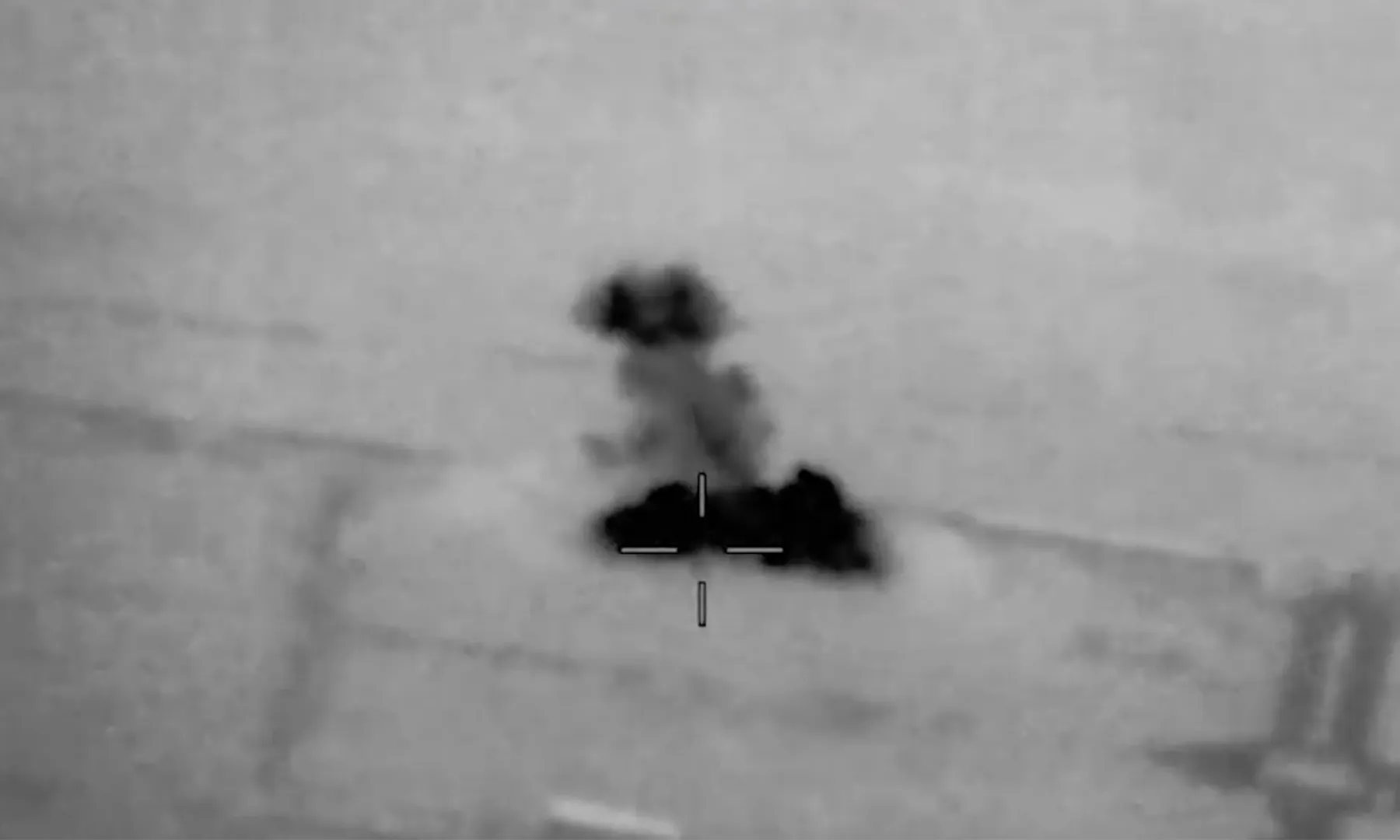
The U.S. Central Command (CENTCOM) stated that in response to an attack on a commercial vessel in the Strait of Hormuz, it struck Iranian missile and drone storage sites and coastal radar installations. It described the action as a response to “unprovoked aggression” and a clear violation of the ceasefire.
Iran’s Islamic Revolutionary Guard Corps (IRGC), however, claimed it carried out retaliatory strikes targeting U.S. positions in the Gulf region. Iran warned that any further actions would be met with a broader response.
Iranian state media reported explosions in the Taheroui Pier area of Sirik Port in southern Iran, allegedly caused by a projectile strike. Officials said the port remains operational with no major infrastructure damage.
U.S. President Donald Trump accused Iran of launching an “reckless drone attack” on a commercial vessel and violating the ceasefire. Vice President JD Vance warned that future violence would be met with a stronger response.
The conflict has spread to neighboring countries. Bahrain claimed Iranian drones entered its territory, while the UK Maritime Trade Operations reported a tanker in the Strait of Hormuz was hit by an unidentified projectile, though the crew remained safe.
Analysts say the escalation threatens the 17 June U.S.–Iran agreement aimed at securing navigation safety in the Strait of Hormuz and creating conditions for diplomatic talks.
However, both sides continue to accuse each other of violations, raising global concerns about energy supply disruptions.
IAEA Director General Rafael Grossi warned that any final agreement on Iran’s nuclear program must include strict verification mechanisms, stating that political declarations alone are not sufficient.
The ongoing situation in the Middle East is increasingly affecting global energy markets and international trade, raising widespread concern about where the crisis is headed.

প্লিজ লগইন পোস্টে মন্তব্য করুন!
আপনিও পছন্দ করতে পারেন

- Jun 27, 2026
Severe Heatwave Across Europe Due to Climate...
- Jun 27, 2026
Venezuela Earthquakes Kill More Than 900, Tho...
- Jun 20, 2026
Israeli airstrikes in Gaza kill at least five...
- Jun 20, 2026