- Nov 04, 2026
Apple Pay Launches in India, Axis Bank Customers First to Get Access
- Sep 30, 2026
- Technology
Staff Report | PNN
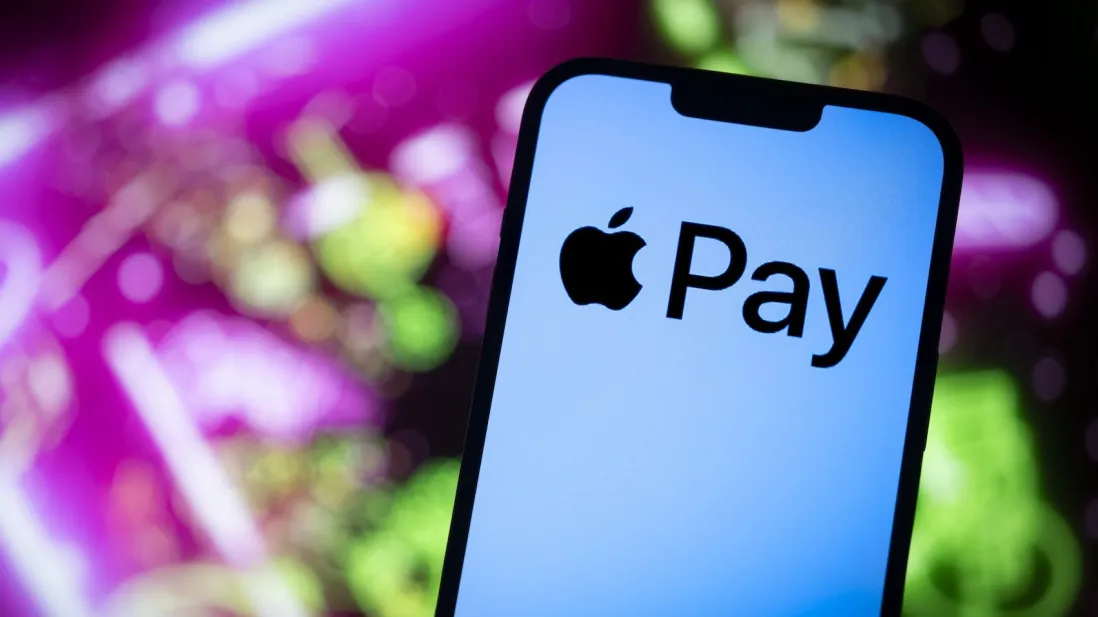
After a long wait, Apple’s digital payment service, Apple Pay, has officially launched in the Indian market. The technology company began the service in the country on Tuesday. Initially, Axis Bank, India’s third-largest private-sector bank, has become Apple Pay’s first banking partner in the country.
Apple Pay’s entry into the Indian market is being viewed as significant. A large portion of digital transactions in the country currently relies on the Unified Payments Interface (UPI), which allows users to transfer money directly from one bank account to another. In contrast, Apple Pay is primarily card-based, meaning its operation requires separate coordination among banks and payment infrastructure providers.
During the initial phase, eligible Visa and Mastercard cards issued by Axis Bank can be added to Apple Pay. However, India’s domestic RuPay cards are not yet supported by the service. Customers will also initially be able to make transactions only at stores and payment terminals where Apple Pay has been enabled.
Apple said Apple Pay will be accepted at millions of businesses across India. These include Blinkit, Croma, ixigo, various Reliance brands, Tata 1mg and Zomato. Payment service providers such as Cashfree, Juspay, Mswipe, Paytm, Pine Labs, Razorpay and Worldline are also working to build the infrastructure required for Apple Pay transactions.
However, establishing a significant position for Apple Pay in India’s massive UPI market will not be easy. UPI allows users to make payments directly from their bank accounts by scanning QR codes without using a card. Apple Pay, on the other hand, requires the relevant card-issuing bank and payment infrastructure providers to establish integration with Apple.
In addition, negotiations between Apple and several major banks over commercial terms have taken longer than expected, meaning not all banks have joined the service at its launch. According to people familiar with the matter, HDFC Bank, ICICI Bank and SBI Card have not initially joined Apple Pay.
According to people familiar with the discussions, Apple has proposed charging a fee of around 20 basis points, or 0.2 percent, on each transaction. Since banks and related institutions in India generally earn around 0.4 to 0.5 percent from payment-sector transactions, discussions over the proposed fee are continuing with several banks.
Initially, eligible Axis Bank customers will be able to add their credit cards to the Wallet app on their iPhones and use them for online purchases and contactless payments at supported terminals. However, the experience may not be the same everywhere. Even if a payment service provider supports Apple Pay, a transaction could fail if the relevant merchant terminal or acquiring bank has not enabled the service.
Apple Pay is entering India at a time when Apple’s presence in the country is growing both in terms of iPhone sales and manufacturing. According to a report by Counterpoint Research, Apple accounted for 28 percent of India’s smartphone market by value in 2025, up from 23 percent the previous year.
Meanwhile, nearly one-quarter of all iPhones manufactured globally are now being produced in India. Indian media have also reported, citing a government official, that India’s share of global iPhone production could reach 30 to 35 percent over the next five years.
Against this backdrop, the level of acceptance Apple Pay receives among India’s growing iPhone user base—particularly users of high-end smartphones and premium credit cards—will be closely watched. Despite UPI’s dominance, industry observers believe Apple Pay could develop a separate niche in the Indian market among these customer groups.

প্লিজ লগইন পোস্টে মন্তব্য করুন!
আপনিও পছন্দ করতে পারেন


- Nov 04, 2026
Retired Aircraft Jet Engines Repurposed to Ge...

- Oct 31, 2026
Password Embedded in App Code Put Applebee’s...
- Oct 31, 2026
Nvidia May Guarantee Loans for Anthropic Data...

- Oct 25, 2026