- Nov 04, 2026
AI Data Center Pressure Could Triple Natural Gas Prices
- Aug 15, 2026
- Technology
Staff Report: PNN
As the rapid expansion of artificial intelligence continues, electricity demand from data centers is also rising sharply. To meet this growing demand, technology giants such as Amazon, Google, Meta and Microsoft are making major investments not only in solar and wind power but also in natural gas-based electricity generation. However, energy research firm Noreva has warned that this strategy could create significant financial risks for the companies in the future.
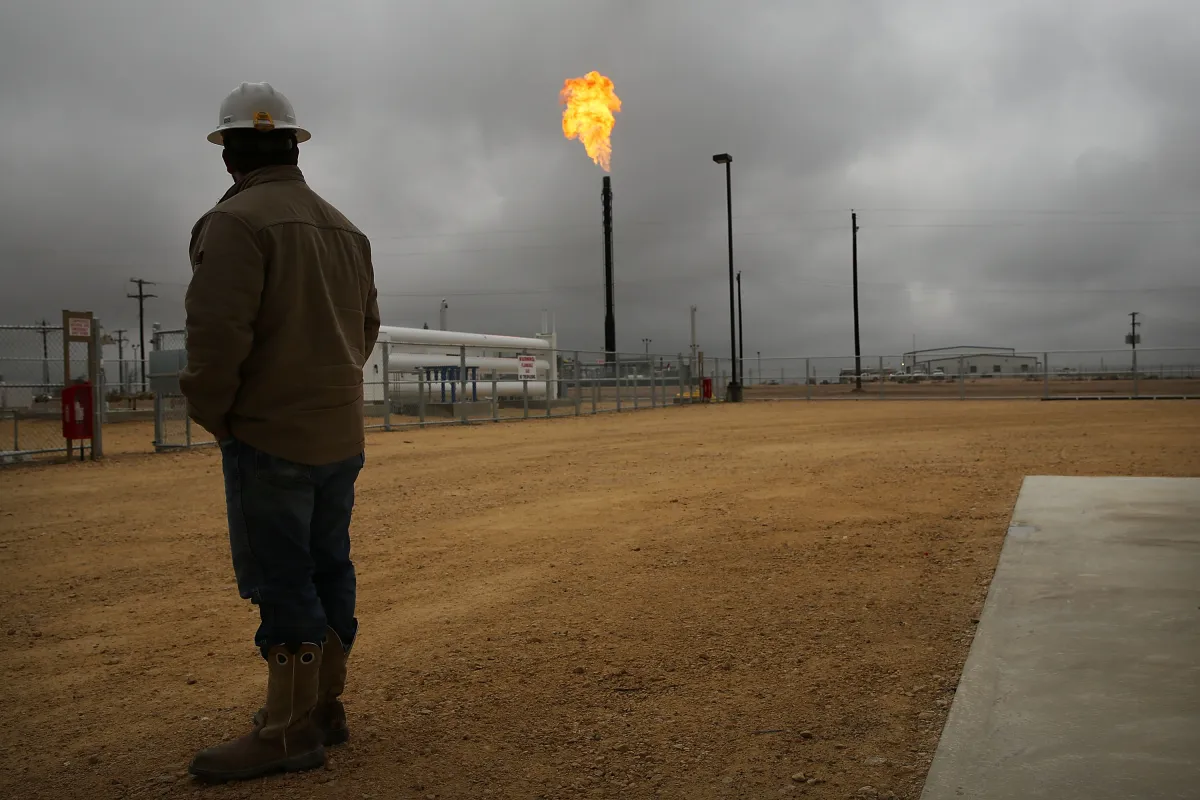
According to the firm’s research, natural gas prices in some parts of the United States could rise to nearly three times their current levels over the next several years. On one hand, demand for gas is expected to increase because of AI data centers. On the other hand, slower growth in U.S. gas production and rising liquefied natural gas (LNG) exports could put additional pressure on supplies in the market.
Peter Gardett, chief executive of Noreva, said many people in the energy market have long assumed that natural gas prices would not face a major increase. However, calculations based on future demand and supply indicate that the gas market could become significantly tighter in the coming years.
Technology companies are already undertaking major plans for natural gas-based power generation as part of their race to build AI infrastructure.
Meta has announced plans to build a massive 7.5-gigawatt gas-fired power plant in Louisiana. The primary purpose of the project is to meet the electricity demand of its Hyperion data center.
Microsoft and Google have subsequently announced plans for gigawatt-scale gas-fired power plants in Texas. Amazon is also planning a gas-fired power plant in Texas with a capacity of approximately 7.6 gigawatts.
Technology companies, which had traditionally been relatively cautious about large-scale infrastructure investments, are now becoming increasingly involved directly in the electricity and energy markets because of the rapid growth of AI. According to Noreva’s observations, these companies are taking significantly more aggressive positions on gas price risks than conventional large electricity buyers.
Currently, natural gas prices in various parts of the United States range from around $2 to $4.50 per million British thermal units (MMBtu). Prices at Louisiana’s Henry Hub are also close to $3 per MMBtu.
However, Noreva forecasts that prices at some key gas supply hubs could remain above $10 per MMBtu for extended periods.
Fuel represents a major portion of the cost of generating electricity. Therefore, if natural gas prices double or triple, the cost of operating data centers using their own power plants could also rise significantly. Ultimately, this could have an impact on the cost of AI services.
At the same time, if higher fuel costs force technology companies to rely more heavily on the national electricity grid, ordinary consumers could also face pressure from rising electricity prices.
According to Noreva’s analysis, the U.S. natural gas market had remained relatively stable for several years. Declining production from older wells had been offset by the addition of new supplies, preventing a major shortage in the market.
However, the situation is now changing. The cost of extracting gas from new wells is increasing, while the pace of production growth is slowing. At the same time, rapidly rising electricity demand from AI data centers is adding further pressure.
In particular, in western Texas, large quantities of natural gas had previously been available at relatively low prices because it was produced as a byproduct of oil extraction. Due to insufficient pipeline capacity, producers were sometimes forced to sell the gas at low prices.
Now, with new pipelines being constructed, that gas is increasingly moving into both the national market and international export markets. As a result, the local market is gradually becoming more closely connected to the global natural gas market.
According to Gardett, differences between gas availability in one region and shortages in another could create major price gaps in the future. As a result, some regions could see natural gas prices remain above $10 per MMBtu for extended periods.
A potential rise in gas prices would not only increase the operating costs of technology companies but could also intensify public concerns about data centers.
Data centers are already facing public scrutiny in the United States because of their enormous electricity consumption. Large numbers of consumers are concerned about data center expansion because of fears that it could increase electricity bills.
If gas prices also rise sharply in the future, the pressure could spread beyond electricity bills and affect the natural gas market as well.
In their rush to build AI infrastructure, technology giants are therefore becoming increasingly intertwined with the fossil fuel market. Since these companies have comparatively limited experience in this market, the major question now is how much future energy price volatility will affect their businesses.

প্লিজ লগইন পোস্টে মন্তব্য করুন!
আপনিও পছন্দ করতে পারেন


- Nov 04, 2026
Retired Aircraft Jet Engines Repurposed to Ge...

- Oct 31, 2026
Password Embedded in App Code Put Applebee’s...

- Oct 31, 2026
Nvidia May Guarantee Loans for Anthropic Data...

- Oct 25, 2026