- Nov 04, 2026
A New Turn Ahead of US Midterm Elections: Trump Eager to Keep Iran War Under Control
- Sep 05, 2026
- International
International Desk, PNN
Although the ongoing conflict between the United States and Iran has entered a new phase of heightened tension, one of Washington’s biggest political calculations ahead of the US midterm elections on November 3 is to ensure that the war does not turn into an all-out conflict.
With Republicans holding only narrow majorities in both chambers of Congress, close advisers to President Donald Trump fear that the economic and political impact of the war could have a major negative effect on the elections.
Alongside efforts to contain the conflict, the United States is increasing economic pressure on Iran rather than relying solely on military pressure. In August, the Trump administration imposed sanctions on 60 companies and organisations linked to trade with Iran and the country’s oil revenues. At the same time, countries continuing to conduct business with Tehran have been threatened with “secondary sanctions.”
In addition, the US naval blockade around Iranian ports near the Strait of Hormuz remains in place. Washington is seeking to put pressure on Iran’s oil exports and international trade through the measure.
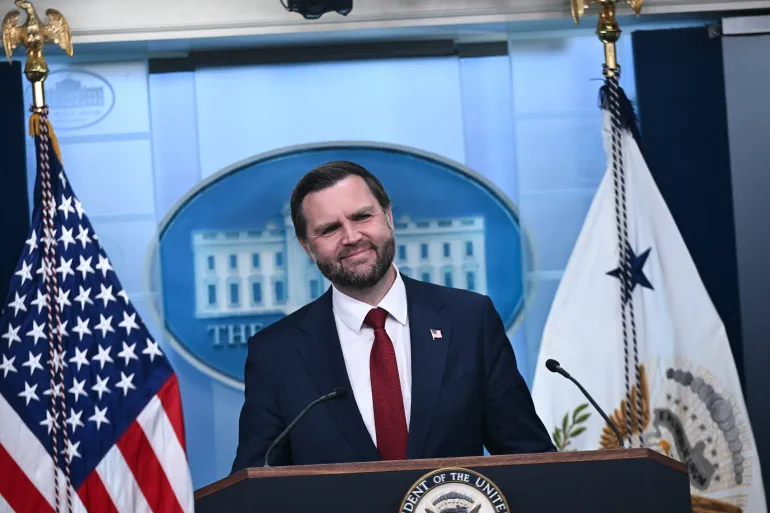
However, the United States has not completely halted military operations. Attacks have also been carried out in Iran in recent days. Vice President JD Vance said this week that all options—including economic, military, diplomatic and covert operations—remain open to the United States.
The November 3 midterm elections are crucial for Republicans seeking to retain control of both the House of Representatives and the Senate. Analysts believe that if the war escalates significantly again before the elections, its negative impact on voters could hurt Republican candidates.
A Reuters/Ipsos poll conducted toward the end of August found that only 31 percent of Americans supported the war against Iran. In contrast, 63 percent opposed it. The poll also showed that Trump’s approval rating had fallen from 40 percent to 33 percent since the start of the war.
The impact of the war is no longer limited to the military sphere. Iran’s closure of the Strait of Hormuz has created instability in energy markets. Diesel prices in the United States have also reached record highs. Rising crude oil prices and a shortage of refining capacity are major factors behind the increase.
The situation is particularly uncomfortable for Trump because during his election campaign he had promised to reduce energy prices and had also pledged not to involve the United States in unnecessary wars.
When fuel prices rise, transportation costs also increase. This affects the prices of food products, industrial goods and various everyday necessities. As a result, the question of keeping inflation under control could once again become a major political issue ahead of the elections.
A Politico poll in August found that 61 percent of Americans said the Iran war had increased their families’ cost of living. The figure was four percentage points higher than the previous month.
The Trump administration is attempting to limit the conflict on one hand while continuing military operations on the other. During a recent White House briefing, Vance also appeared reluctant to describe the ongoing confrontation with Iran as a “war.” He claimed that the impact of the conflict was declining day by day.
The United States claims that it is helping around 30 ships safely navigate the Strait of Hormuz every day and that nearly 18 million barrels of oil passed through the waterway on Tuesday this week. However, the report noted that shipping-related data does not fully support this claim.
According to analysts, maintaining a situation that is “neither war nor peace” for an extended period is extremely risky. Every exchange of attacks creates the possibility that the conflict could spread to a much wider area.
Negar Mortazavi, a senior fellow at the Washington-based Center for International Policy, said Iran was unlikely to easily give in under economic pressure. According to her, both sides may believe they can keep tensions under control, but every new confrontation increases the risk of a regional war.
Meanwhile, an attack in Kuhesta in southern Iran earlier this week reportedly damaged a civilian home. A wedding ceremony was reportedly taking place there at the time. At least four people were killed in the incident, including children, according to the report.
The ongoing conflict has also raised concerns within the US military leadership. According to a Washington Post report, senior officials from the Army, Navy and Air Force have warned Defense Secretary Pete Hegseth in written assessments that continuing the war at its current pace is not sustainable in the long term.
They also warned that the conflict could undermine US military preparedness in other parts of the world.
Trita Parsi, executive vice president of the Quincy Institute, believes recent US attacks on Iran have exposed uncertainty in Washington’s strategic position. According to him, the United States returned to military strikes only a few days after adopting a policy of pressuring Iran through sanctions.
Analysts also believe Iran could use the conflict to serve its own strategic interests. Although Iran is far behind the United States in military capabilities, it has long relied on asymmetric warfare strategies.
Using large numbers of relatively inexpensive drones to keep the United States’ costly defence systems occupied, attacking US allies in the Gulf region and disrupting shipping through the Strait of Hormuz are among these tactics.
Analysts fear that if Iran increases attacks on US or regional military bases, ships or energy infrastructure, pressure will grow on Washington to respond with tougher military action.
This could trigger a cycle of retaliatory attacks, potentially turning the conflict back into a full-scale war.
According to a Reuters report, White House officials are already discussing whether to expand military operations against Iran after the November 3 elections. However, no final decision has yet been made regarding a return to full-scale war.
If Republicans perform well in the elections, the Trump administration could gain relatively greater political freedom to take military action.
On the other hand, if Democrats gain control of either or both chambers of Congress, opportunities for investigations and hearings into the conduct of the war, military spending and government policy would increase.
However, analysts are also concerned about an unusual possibility. Even if Trump’s party loses the election, he could be freed from another round of electoral pressure and might adopt a tougher position rather than seeking to contain the conflict.
As a result, the next two months have become extremely important for the US-Iran conflict.
While Washington is seeking to limit the war until the elections, Tehran may also pursue different strategies in its own interests. Even a small miscalculation could therefore create the risk of turning the conflict into a much larger war.

প্লিজ লগইন পোস্টে মন্তব্য করুন!
আপনিও পছন্দ করতে পারেন
- Nov 04, 2026
Republicans Suffer Major Defeat as Democrats...
- Nov 04, 2026
Democrats Win Control of Both Chambers of US...
- Nov 04, 2026
Abdul El-Sayed Set to Become First Muslim US...
- Oct 31, 2026