- Apr 08, 2026
A deal with the U.S. is ‘within reach’: Iranian Foreign Minister ahead of Geneva talks
- Feb 25, 2026
- International
International Desk, PNN
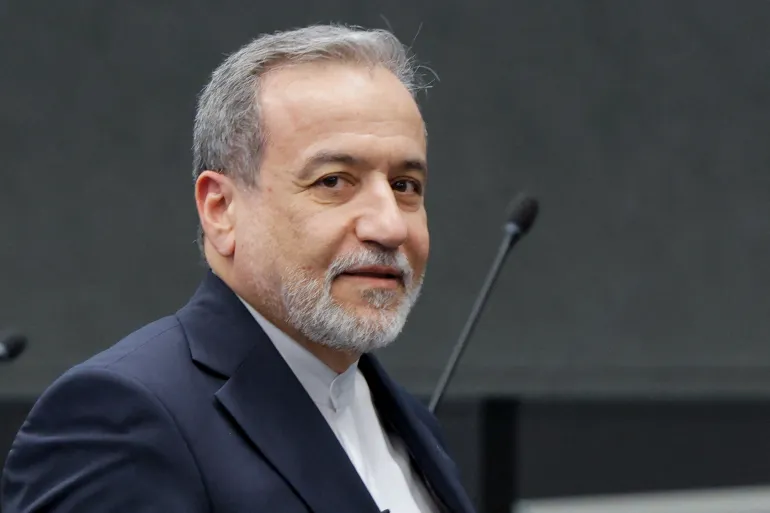
Iranian Foreign Minister Abbas Araghchi stated that a potential agreement to avoid conflict with the United States is “within reach.” He expressed this optimism ahead of a scheduled new round of talks in Geneva, Switzerland.
In a statement on social media on Tuesday, Araghchi said that if diplomacy is prioritized, an “unprecedented agreement” is possible. He emphasized that Iran will under no circumstances develop nuclear weapons. However, the country will not relinquish its right to use peaceful nuclear technology.
Indirect talks between the U.S. and Iran are scheduled for Thursday in Geneva, mediated by Oman. This will be the third round of the ongoing dialogue. Oman has expressed hope that both parties will demonstrate a positive attitude toward reaching a final agreement.
Meanwhile, in a speech in Washington, U.S. President Donald Trump reiterated a tough stance. He stated that while the United States seeks a diplomatic solution, Iran will never be allowed to acquire nuclear weapons. Trump accused Iran of attempting to advance its nuclear program again despite warnings following a U.S. attack on Iran’s nuclear facility in June 2025.
U.S. negotiation leadership is being provided by White House envoy Steve Whitkoff and Trump’s son-in-law Jared Kushner. On the Iranian side, Araghchi serves as the chief negotiator.
At this stage of the talks, military activity in the Middle East has also increased. The U.S. Navy’s largest aircraft carrier, USS Gerald R. Ford, is heading toward the Middle East after anchoring at a NATO base. At the same time, Iran’s Islamic Revolutionary Guard Corps (IRGC) has intensified military exercises in the country’s south, describing the region as a “fortified stronghold.”
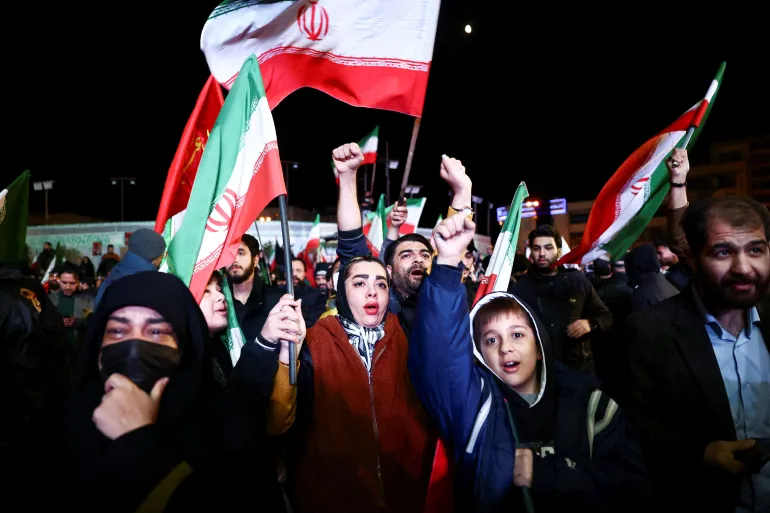
Al Jazeera reporters from Tehran have observed mixed reactions among the Iranian public—concern over U.S. military preparations on one hand, and hope for a diplomatic solution on the other. In December, widespread protests occurred due to the economic crisis, and in recent days, discontent has been reported in several universities.
The U.S. has acknowledged that its policies have created a shortage of dollars in Iran, putting pressure on the economy, which has also affected the banking sector.
Overall, the Geneva meeting is being viewed as a critical juncture in U.S.-Iran relations, with attention now focused on the outcome of the diplomatic talks.

প্লিজ লগইন পোস্টে মন্তব্য করুন!
আপনিও পছন্দ করতে পারেন
- Apr 04, 2026
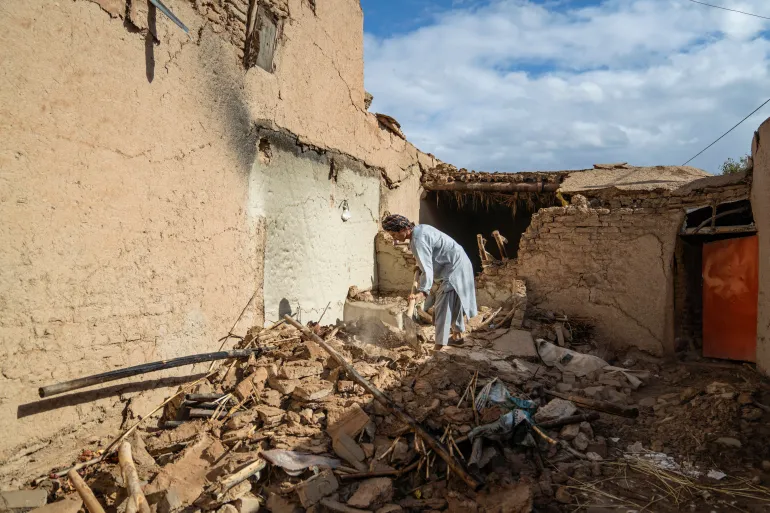
Eight members of a family killed in earthquak...
- Apr 04, 2026
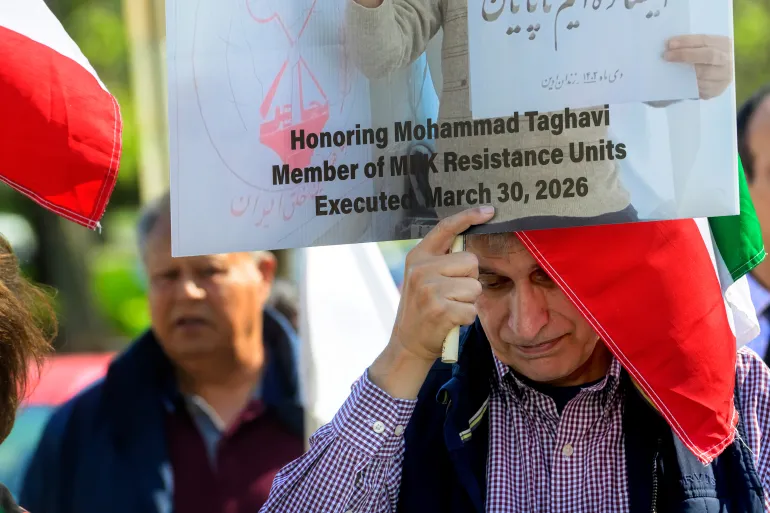
Iran executes two opposition group members; o...
- Apr 04, 2026
Fire at gas facility in UAE, 1 dead
- Apr 03, 2026