- May 11, 2026
U.S. Adopts Aggressive Stance Amid Iran-Israel Tensions: Nuclear Sites Threatened, Global Concern Mounts
- Jun 18, 2025
- International
PNN International Desk | June 18, 2025
Following five consecutive days of cross-border missile attacks, the specter of war once again looms over the Middle East — this time with the United States taking a more explicit and aggressive position in the deepening Iran-Israel conflict.
Former U.S. President Donald Trump, in a televised interview on Tuesday night, demanded Iran’s "unconditional surrender", stating that military action would be taken if necessary. “Iran knows it’s reached the final line. We know where their Supreme Leader is,” Trump warned. On his social media platform, he echoed the message in bold capital letters: "UNCONDITIONAL SURRENDER" — a statement that many are interpreting as a direct call for war.
Shortly after Trump’s remarks, the U.S. military began deploying bomber aircraft and naval vessels across Europe and the Middle East. Defense analysts have speculated that the United States may consider using advanced bunker-buster munitions or even limited nuclear weapons to strike Iran’s deeply buried nuclear facilities.
German Chancellor Friedrich Merz commented, “If Iran does not back down, joint military action will be on the table. Israel cannot destroy the nuclear infrastructure alone.” French President Emmanuel Macron warned that the ongoing escalation “could destabilize the entire Muslim region.” Meanwhile, UK Prime Minister Keir Starmer reaffirmed that Britain will not take part in any military operations.
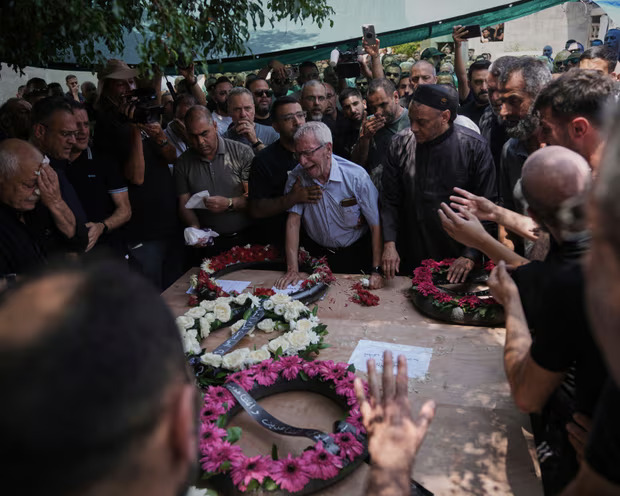
The Israeli military claimed it has carried out strikes on Iranian military installations and missile depots, reportedly killing at least 24 people and injuring over 200, including women and children. In retaliation, Iran launched ballistic missiles; while several were intercepted by Israeli defense systems, others struck near Tel Aviv and the outskirts of Haifa.
Trump has declared the next 48 hours as a "testing period," further escalating fears of imminent war. U.S. Vice President J.D. Vance issued a cautious statement: “War is easy. The consequences are catastrophic in the long term.” He added, “While Trump may take the final call, this will not be a repeat of past occupation-driven policies.”
Despite growing military escalation, Iran has signaled some openness to dialogue, stating that negotiations could take place if Washington keeps diplomatic channels open. Still, the rapidly deteriorating situation on the ground has raised serious concerns that the Middle East is once again on the verge of becoming a major war zone.
The international community, including the UN and EU, is closely monitoring the situation, calling for restraint and immediate de-escalation.
Reporting by PNN International Affairs Desk
Source: APP | Agencies

প্লিজ লগইন পোস্টে মন্তব্য করুন!
আপনিও পছন্দ করতে পারেন

- May 11, 2026
Kenya to host Africa Forward Summit in joint...
- May 11, 2026
Former Thai Prime Minister Thaksin Shinawatra...

- May 11, 2026
Impeachment against Vice President Sara Duter...
- May 09, 2026